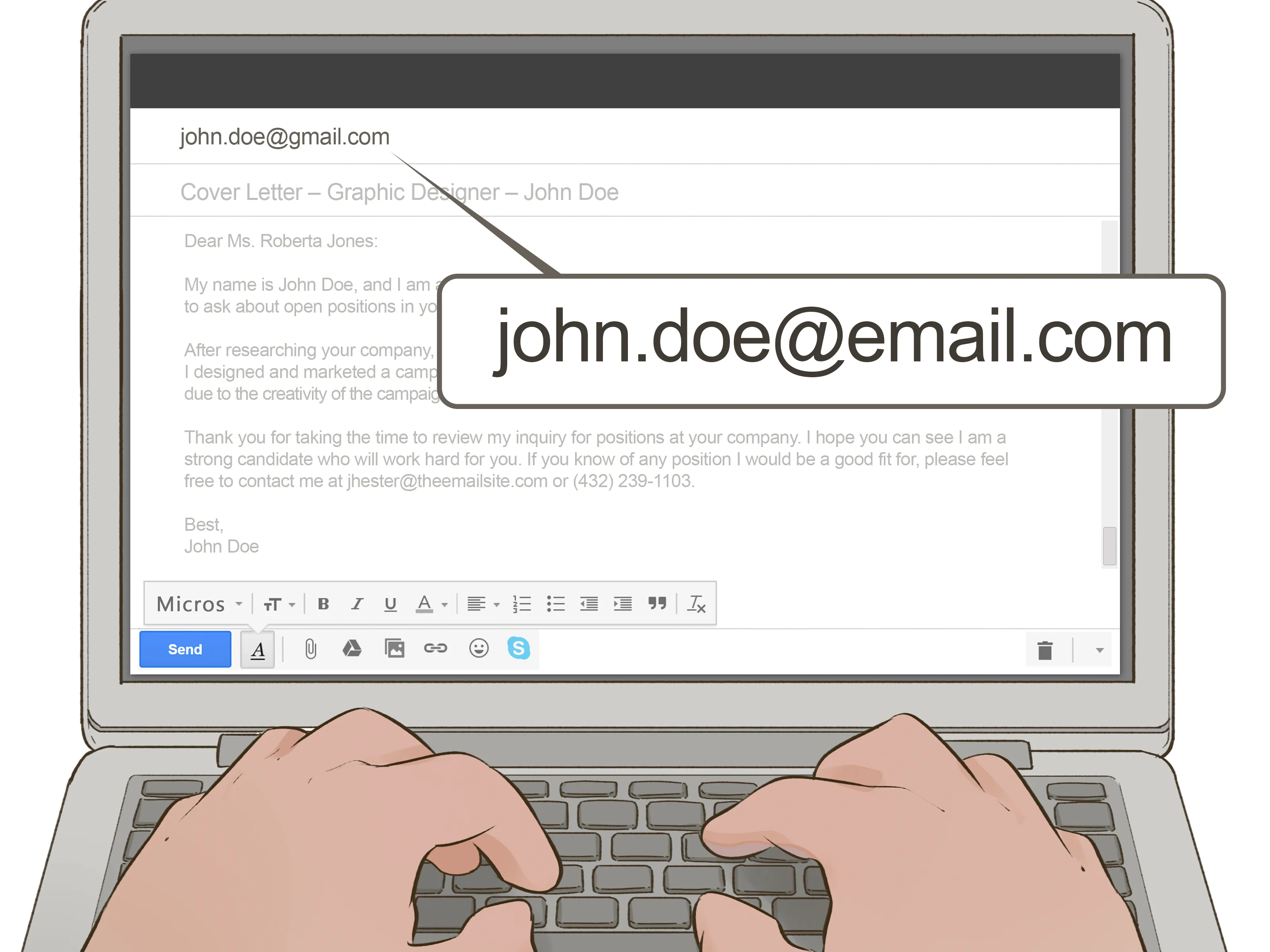
Understanding Cover Letter Timing
The timing of when you send your cover letter can significantly influence the impression it makes on a potential employer. It is often overlooked. However, in today’s competitive job market, where every detail matters, understanding the optimal times to submit your cover letter is crucial. A well-timed cover letter can demonstrate your proactive approach, attention to detail, and genuine interest in the position. This article aims to provide a comprehensive guide on when to submit your cover letter to maximize its impact and increase your chances of landing an interview. We will explore the nuances of timing, from immediate submissions to deadline considerations, and offer practical tips to help you make the best impression. Knowing when to send cover letter can be the difference between getting an interview or being overlooked.
When Should You Send Your Cover Letter
Determining the right moment to send your cover letter involves several factors, including the application process, the job posting’s specifics, and your individual approach. There are different strategies for submitting your cover letter to give you the best possible chance. The following are some of the key scenarios and recommendations to consider. It’s vital to remain proactive and strategic in your job search to stand out. Understanding these different aspects can help you refine your strategy. You will also learn how the right timing of your submission can create a positive first impression.
Immediately After Application

In an ideal scenario, if the application process allows, submitting your cover letter immediately after completing the job application is often the best approach. This shows your enthusiasm and eagerness to the hiring manager. Many applicant tracking systems (ATS) allow you to upload your cover letter simultaneously with your resume. Doing so ensures that your application is complete and ready for review. By submitting promptly, you are essentially placing your application at the top of the pile. This can be particularly beneficial in roles where applications are reviewed on a rolling basis. Timing is vital, and a quick response can set you apart from other candidates. A quick and professional approach indicates to recruiters you are proactive.
Within 24-48 Hours of Applying
If the initial application process does not allow for immediate cover letter submission, sending your cover letter within 24 to 48 hours of applying is an excellent alternative. This timeframe balances your enthusiasm with a thoughtful approach. It provides you with the opportunity to customize your cover letter further. This allows you to tailor it specifically to the job requirements or any additional details you might have learned. Ensure your cover letter is personalized and highlights your relevant skills and experiences. This timeframe still demonstrates promptness and shows you have taken the time to create a strong application. Avoid sending it too early, as this can be perceived as rushed and unprofessional. Within this window, you can ensure your cover letter is polished and impactful.
Before the Application Deadline
If the application process requires a more extended timeframe, aiming to submit your cover letter before the deadline is another important consideration. This ensures your application is considered. Submitting early in the application period can provide advantages. Some hiring managers review applications as they come in. Submitting early can give you a better chance of being seen. However, be careful not to submit too early, as it might appear less polished than a later submission. Use the time to thoroughly research the company and tailor your cover letter to the specific requirements. Ensuring that your application is complete and well-presented is crucial. Before the deadline, you can ensure that your application meets all requirements. This timing demonstrates you are organized and respect deadlines.
The Impact of Timing

The timing of your cover letter has a direct impact on how it is received. It influences the first impression you make and the perceived level of your interest in the role. Submitting at the right time can set a positive tone for your application. It can show that you are proactive and genuinely interested in the opportunity. A well-timed cover letter can capture the hiring manager’s attention. When done correctly, it can increase your chances of moving to the next stage. Conversely, poorly-timed submissions can have the opposite effect. If you submit your cover letter at the wrong time, it can negatively impact your application. Therefore, you should understand the effects of timing and how it affects your chances.
How Timing Affects Your Application
The timing of your cover letter can influence how your application is viewed in several ways. Submitting early shows enthusiasm and can put you at the top of the list. Submitting just before the deadline can signal that you are organized and respect the process. On the other hand, submitting too late may mean your application is overlooked. Hiring managers often start reviewing applications soon after they receive them. The timing can show a lot about your professionalism and attention to detail. A well-timed cover letter shows you understand the job and are eager to contribute. Your application will be stronger if you consider these factors.
When to Avoid Sending a Cover Letter
While sending a cover letter is generally recommended, there are situations where it might be best to avoid it or to delay submission. If the job posting specifically states ’no cover letters,’ it is essential to respect the employer’s instructions. Sending a cover letter in such cases can be seen as a lack of attention to detail. Furthermore, if the job posting has very specific instructions or only asks for a resume, follow those directions. If you are unsure if a cover letter is necessary, you can research the company. You can also review their website to understand their culture and hiring practices. In some cases, it might be better to focus on tailoring your resume to the job requirements than submitting a cover letter that is not requested.
Cover Letter Timing: Best Practices

To make the most of your cover letter submission, adhere to some best practices. Always customize your cover letter to the specific job and company. Generic cover letters are easily noticeable and may not make a strong impression. Proofread your cover letter carefully to avoid any grammatical errors. Errors can negatively impact your application. Ensure your cover letter complements your resume. It should highlight key skills and experiences relevant to the job. When possible, find the hiring manager’s name and address your cover letter to them. Addressing a specific person adds a personal touch. Consider the company’s culture and industry standards when determining the appropriate timing. Consider these best practices to help you give the best impression possible.
Tailoring Timing to the Job
Tailoring the timing of your cover letter to the specific job requirements can increase its effectiveness. Some jobs may require a more immediate approach. Others might benefit from a submission closer to the deadline. Review the job description closely to understand the requirements. If the posting indicates a rolling review, submit your cover letter immediately. If there is no indication, use the 24-48 hour window to tailor your application. For more formal roles, consider submitting your cover letter a few days before the deadline to show you value the employer’s time. Tailoring your strategy ensures that your application aligns with the employer’s needs. This shows you are adaptable and detail-oriented.
Following Up
After submitting your cover letter, you may be wondering if it’s appropriate to follow up. Following up can be a good way to show your interest. However, avoid being overly persistent. If you haven’t heard back within a few weeks, consider sending a polite follow-up email. Refer to the job posting for the best contact information, or find the hiring manager’s email address. Keep your email brief, and reiterate your interest. A well-timed follow-up email can help remind the hiring manager of your application. It is vital to remember to be professional. Be sure to follow up only when it is appropriate and to keep your communication concise and respectful.
In conclusion, understanding when to send your cover letter is essential to making a strong first impression. By carefully considering the timing, tailoring your approach, and adhering to best practices, you can significantly increase your chances of securing an interview. Remember to be proactive, detailed, and strategic in your job search. Your cover letter is a valuable tool in your career search. It shows you are serious about the role. By implementing the tips discussed, you can increase your chances of success. Good luck with your job search!