Crafting Your Transcriber Cover Letter
A well-crafted transcriber cover letter is your first opportunity to make a strong impression on a potential employer. It’s more than just a formality; it’s a crucial tool that can set you apart from other applicants and increase your chances of landing your dream job. This guide will provide you with a comprehensive walkthrough on how to create a compelling cover letter that highlights your skills, experience, and passion for transcription. We will cover essential elements, best practices, and provide actionable tips to ensure your cover letter shines. Whether you are a seasoned professional or just starting your transcription career, this guide will equip you with the knowledge to create a cover letter that effectively showcases your abilities and helps you secure interviews. Remember, your cover letter is your voice, so make sure it speaks volumes about your capabilities and enthusiasm.
Understanding the Importance of a Cover Letter
In the competitive world of transcription, a cover letter serves as your personal introduction, offering a space to expand on your resume and demonstrate your suitability for the role. It’s an opportunity to express your personality, enthusiasm, and unique qualifications, which a resume, by its structured nature, may not fully capture. The cover letter allows you to articulate your understanding of the role, the company’s needs, and how your skills align with them. It provides context, allowing you to explain gaps in employment, highlight specific achievements, and showcase why you’re the ideal candidate. A well-written cover letter is also a testament to your communication skills and attention to detail, qualities that are essential in transcription. In essence, it’s your chance to make a compelling case for why you should be considered for the position and to leave a lasting positive impression on the hiring manager. Ignoring this important document is doing yourself a disservice.
Key Components of a Transcriber Cover Letter

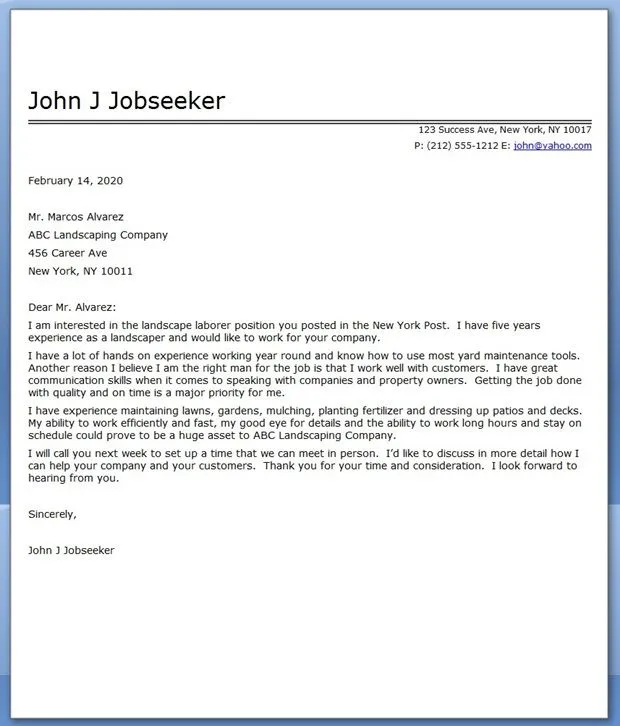
A strong transcriber cover letter should include several key components to ensure it effectively communicates your qualifications and enthusiasm. These elements work together to create a comprehensive and compelling narrative. Starting with your contact information and the date, followed by the employer’s details, sets the stage for a professional presentation. A personalized salutation addresses the hiring manager directly, creating an immediate connection. The body of the letter is where you demonstrate your transcription skills, showcase relevant experience, and quantify your achievements, supported by your enthusiasm for the role. Tailoring your cover letter to each specific job application is crucial. Ensuring the letter is proofread and edited meticulously demonstrates your attention to detail. Finally, choosing the right tone and following up after submission completes the process, increasing your chances of securing an interview. Each section is crucial for creating a professional and persuasive cover letter.
Your Contact Information & Date
At the top of your cover letter, begin with your contact information. Include your full name, address, phone number, and professional email address. This information ensures that the employer can easily reach you for scheduling interviews or requesting additional details. Following your contact details, add the date of the letter, which shows when you submitted your application. The date is essential for documenting the submission timeline and maintaining a record. This simple yet crucial step establishes the foundation for professionalism and convenience for the hiring manager. Make sure all details are correct and up-to-date to avoid communication issues. Accurate and accessible contact information is the first step in making a positive impression.
The Employer’s Information
Directly below your contact information and the date, include the employer’s details. This section typically includes the hiring manager’s name (if known), their job title, the company name, and the company’s address. Addressing the hiring manager by name personalizes the letter and shows that you have taken the time to research the organization. If you cannot find a specific name, use a professional title like “Hiring Manager”. Including the company name and address adds a layer of formality and professionalism, which demonstrates your attention to detail. Correctly formatting this section demonstrates your organization skills and your commitment to the application process. Ensure the information is accurate to reflect a genuine interest in the role and the company.
The Salutation

Begin your cover letter with a professional salutation. If you know the hiring manager’s name, use it: “Dear Mr. / Ms. [Last Name]”. This personal touch significantly increases engagement. If the name is unavailable, you can use more general greetings such as “Dear Hiring Manager” or “Dear [Department] Team”. Avoid overly casual greetings like “Hello” or “Hi”. Your salutation sets the tone for the entire letter, so it’s important to be respectful and professional from the start. Correct salutations demonstrate that you have paid attention to detail, which is a crucial skill for a transcriber. This simple, yet powerful, step helps you establish a positive first impression and paves the way for the rest of your cover letter.
Highlighting Your Skills and Experience
The core of your cover letter should focus on your skills and experience relevant to the transcription role. Begin by clearly stating your key skills, such as typing speed, accuracy, proficiency in transcription software, and familiarity with different audio formats. Highlight specific experience that aligns with the job description. Provide examples of how you have successfully transcribed different types of documents, such as legal, medical, or general audio files. Mention any specialized training or certifications you possess. For example, if the role requires experience with medical transcription, emphasize your knowledge of medical terminology and experience in related fields. Focus on qualities such as attention to detail, listening skills, and the ability to adhere to deadlines. This section allows you to showcase your proficiency and suitability for the role.
Demonstrating Your Transcription Skills
In your cover letter, provide specific examples demonstrating your transcription skills. Describe your experience with transcription software (e.g., Express Scribe, Audacity) and audio formats. Highlight your ability to understand different accents, technical terms, and complex audio content. If you have experience transcribing specific types of audio, such as interviews, meetings, or lectures, make sure to mention it. Be precise about your transcription accuracy and your ability to meet deadlines. Provide examples of projects where you have maintained high accuracy rates and delivered completed transcripts on time. Emphasize any experience working with different clients or industries. Clearly stating these skills ensures the employer understands your capabilities and confirms your abilities to succeed in the transcription role.
Showcasing Relevant Experience

When showcasing your experience, be specific about the types of transcription work you have completed. List previous roles, including the company name, your job title, and the dates of your employment. Describe your responsibilities and accomplishments in each role. For example, if you have worked on legal transcription, detail the types of documents you have transcribed (e.g., depositions, court proceedings) and the transcription software used. If you have experience in medical transcription, highlight your knowledge of medical terminology and HIPAA compliance. Emphasize your ability to work independently and as part of a team. Use action verbs to describe your contributions, such as “transcribed,” “edited,” “proofread,” and “delivered.” This section demonstrates to employers that you can meet the demands of the role.
Quantifying Your Achievements
Whenever possible, quantify your achievements to make a strong impact. Use numbers to illustrate your skills and experience. For example, state your average typing speed in words per minute (WPM), the accuracy percentage you maintain, or the number of projects you completed within a certain timeframe. If you have received positive feedback from clients or employers, quantify the results. For instance, mention that your transcripts consistently received a 99% accuracy rating, or state that you completed 50 transcriptions within a month, exceeding client expectations. Quantifying your achievements demonstrates your value and showcases that you are an effective and reliable transcriber. Using data to support your claims provides tangible evidence of your capabilities and contributes to your credibility.
Expressing Your Enthusiasm
Express your genuine enthusiasm for the transcription role and the company. Explain why you are interested in the specific opportunity and what attracts you to the company. Show that you have researched the company and understand their mission, values, or services. Mention any specific projects or areas that align with your interests. Explain how your skills and experience align with the job requirements. Express your eagerness to contribute to the company’s goals and your excitement about the chance to learn and grow within the role. This demonstrates your commitment and passion, making you a more appealing candidate. Your enthusiasm can significantly differentiate you from other applicants, showing a genuine interest in the opportunity.
Tailoring Your Cover Letter

Customize your cover letter for each job application. Use the job description as your guide, and incorporate keywords and phrases that the employer has used. Highlight the skills and experiences that match the specific requirements. Avoid using a generic cover letter that is sent to multiple employers. Take the time to research the company and understand its needs, and then adjust your letter to show why you are the perfect fit. Showing you have taken the time to tailor your letter shows you are serious and have a genuine interest in the specific role. This careful adaptation will make your application more relevant and improve the chances of getting noticed. Take time to research the company and show your interest.
Proofreading and Editing
Proofreading and editing your cover letter are crucial steps that show your attention to detail and professionalism. Check your letter for grammatical errors, spelling mistakes, and punctuation issues. Ensure your sentences are clear, concise, and well-structured. Consider asking a friend, family member, or colleague to review your cover letter for a fresh perspective. They may catch errors you missed. Proofreading also involves verifying that your contact information is accurate. A cover letter that is free of errors demonstrates that you are a meticulous transcriber who values accuracy, which is essential for the role. Thoroughly proofread and edit your cover letter before submitting it to make sure it reflects your abilities.
Formatting Your Cover Letter
Format your cover letter for readability and professionalism. Use a standard font, such as Times New Roman or Arial, in a size between 10 and 12 points. Use single spacing within paragraphs and double spacing between paragraphs. Align your text to the left and use clear, concise language. Keep your paragraphs brief, typically between three to five sentences. Avoid using excessive jargon or overly complex language. Ensure your cover letter is easy to read and visually appealing. Proper formatting will make your cover letter more engaging and show you understand professional standards. Make sure it is well-organized and simple to read.
Choosing the Right Tone

Choose a professional and enthusiastic tone throughout your cover letter. Use a positive and confident voice, but avoid being overly casual or boastful. Show your personality while maintaining a professional demeanor. Tailor your tone to match the company’s culture. If the company has a more informal or creative environment, you can show more of your personality. Maintain a consistent tone throughout the letter, and make sure your writing is appropriate for a professional setting. Your tone sets the overall impression, and it influences the hiring manager’s view of your communication skills and suitability for the role. The right tone makes the difference and grabs the employer’s attention.
Following Up
After submitting your cover letter and resume, follow up with the employer within a week or two. Send a brief email expressing your continued interest in the position and reiterating your qualifications. Refer to specific details from your application to remind the employer of your value. Be polite, respectful, and concise. Thank the employer for their time and consideration, and indicate that you look forward to hearing from them. Following up demonstrates your initiative and enthusiasm, and it can help you stay top-of-mind with the hiring manager. If the employer has provided a specific timeline for contacting applicants, respect that timeline before reaching out. The follow-up is important to demonstrate your engagement.