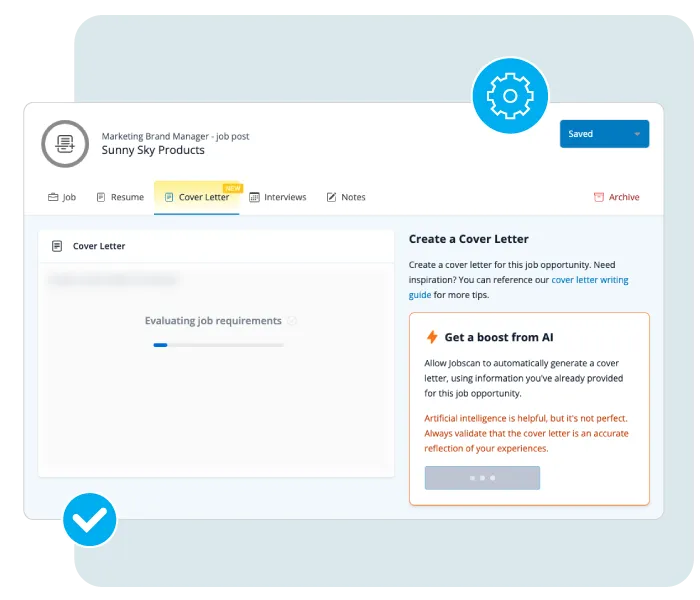
Cover Letter What It Is and Why It Matters
A cover letter is a crucial document that accompanies your resume when applying for a job. It serves as an introduction to the hiring manager, providing context and highlighting your qualifications and interest in the position. Unlike a resume, which is a factual summary of your experience and skills, a cover letter allows you to showcase your personality, communication skills, and enthusiasm for the role. It is your opportunity to make a strong first impression and persuade the employer to consider your application further. A well-written cover letter significantly increases your chances of getting noticed and securing an interview. Many employers view a cover letter as a screening tool, so a poorly written one can quickly lead to your application being rejected. Investing time and effort into crafting a compelling cover letter is essential for a successful job search.
Cover Letter Tailoring to the Job
One of the most important tips for writing an effective cover letter is to tailor it to each specific job you are applying for. Avoid using a generic, one-size-fits-all cover letter. Instead, carefully read the job description and identify the key requirements, skills, and qualifications the employer is seeking. Then, customize your cover letter to address these specific needs and demonstrate how your background and experience align with the role. Highlight the relevant skills, experiences, and achievements that make you a strong fit for the position. Show the employer that you have done your research and are genuinely interested in the opportunity. Mentioning specific projects, tasks, or responsibilities from previous roles that are relevant to the job requirements can be very effective. Tailoring your cover letter demonstrates your attention to detail and your genuine interest in the company and the position, making a positive impression on the hiring manager.
Highlighting Your Achievements

Focus on showcasing your accomplishments rather than simply listing your job duties. Use the STAR method (Situation, Task, Action, Result) to describe your achievements. Start by briefly describing the situation, outline the task you were responsible for, explain the action you took, and then highlight the positive results you achieved. This approach helps the reader understand the impact of your work. Quantify your achievements whenever possible. Use numbers, percentages, or specific metrics to demonstrate the value you brought to previous roles. For example, instead of saying you “improved customer service,” you could say you “increased customer satisfaction scores by 15%.” This level of detail provides concrete evidence of your capabilities and makes your cover letter more impactful. Also, match the achievements to the job description requirements.
Using Keywords
Incorporate keywords from the job description throughout your cover letter. Many companies use applicant tracking systems (ATS) to scan cover letters and resumes for relevant keywords. Using the right keywords will increase your chances of your application being noticed by the hiring manager. Identify the key skills, qualifications, and requirements listed in the job description and strategically weave them into your cover letter. Be careful not to simply stuff your cover letter with keywords, as this can make it sound unnatural and less engaging. Instead, integrate the keywords naturally into your descriptions of your experiences and achievements. This strategy will also demonstrate your understanding of the role and your ability to meet the employer’s needs.
Cover Letter Structure
A well-structured cover letter is easy to read and makes a strong impression. Begin with a professional salutation, such as “Dear Mr./Ms. [Last Name]” if you know the hiring manager’s name. If not, use a more general salutation like “Dear Hiring Manager.” The opening paragraph should state the position you are applying for and where you found the job posting. It should also express your enthusiasm for the opportunity. In the body of your cover letter, highlight your relevant skills, experiences, and achievements. Use concise paragraphs and clear language to showcase your qualifications and explain why you are a good fit for the role. End with a call to action, such as expressing your interest in an interview and thanking the hiring manager for their time and consideration. Proofread your letter meticulously before submitting it.
Cover Letter Formatting Tips

Pay attention to the formatting of your cover letter to ensure it looks professional and is easy to read. Use a standard font like Times New Roman, Arial, or Calibri in a size between 10 and 12 points. Use single-spacing within paragraphs and double-spacing between paragraphs to improve readability. Make sure the margins are 1 inch on all sides. Use bullet points to highlight key skills or achievements, making the information easier to scan. Be consistent with your formatting throughout the document. Proofread your cover letter carefully to avoid any typos or grammatical errors. Ensure your formatting aligns with the company’s branding guidelines.
Proofreading
Proofreading is crucial for a polished cover letter. Errors in grammar, spelling, or punctuation can create a negative impression and undermine your credibility. After you’ve finished writing your cover letter, carefully proofread it for any mistakes. It’s also helpful to have a friend, family member, or career counselor review your cover letter to catch any errors you might have missed. Read the cover letter aloud to identify awkward phrasing or areas that need improvement. Use a grammar checker to check for any errors, but don’t rely on it entirely – always review the suggestions and make your own judgment. A clean, error-free cover letter demonstrates your attention to detail and professionalism.
Follow Up
After submitting your cover letter and resume, it’s a good practice to follow up with the hiring manager. If you haven’t heard back within a week or two after the application deadline, send a polite email to inquire about the status of your application. In your follow-up email, reiterate your interest in the position and briefly mention your key qualifications. Thank the hiring manager for their time and consideration. Keeping a positive and professional tone in your follow-up shows your enthusiasm and initiative. However, avoid sending multiple follow-up emails, as this could be seen as being overly persistent.
Common Cover Letter Mistakes to Avoid

There are several common mistakes that can hurt your chances of landing an interview. Avoid using a generic cover letter; tailor it to each job application. Do not include irrelevant information that does not directly relate to the job. Do not use jargon or overly complex language. Be clear, concise, and easy to understand. Avoid negative language or criticizing previous employers. Refrain from exaggerating or lying about your qualifications. Do not use clichés or overused phrases. Ensure your formatting is clean and professional. Most importantly, always proofread your cover letter for any errors. By avoiding these common mistakes, you can significantly improve the effectiveness of your cover letter and increase your chances of getting hired.