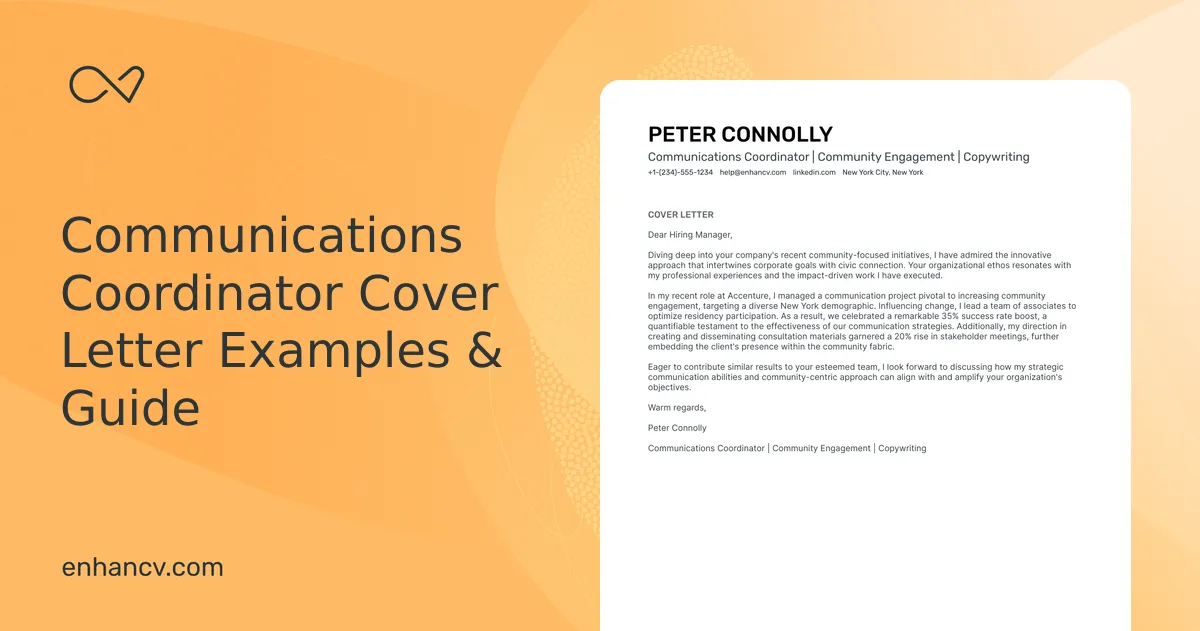
Cover Letter for Comms Coordinator Overview
A cover letter is your first opportunity to make a strong impression on a hiring manager. For a Communications Coordinator, a well-crafted cover letter is essential. It’s more than just a formality; it’s a chance to showcase your unique skills, experience, and passion for the role. In a competitive job market, a standout cover letter can be the difference between landing an interview and having your application overlooked. This guide will provide you with seven crucial secrets to writing a cover letter that captures attention and gets you noticed by potential employers. By focusing on the key elements of a compelling cover letter, you’ll be able to effectively communicate why you’re the ideal candidate for the Communications Coordinator position.
Why a Strong Cover Letter Matters
A strong cover letter gives you a platform to personalize your application beyond the confines of your resume. It allows you to explain your career trajectory, elaborate on specific achievements, and articulate your understanding of the role and the company. Without a well-written cover letter, your application might lack the context needed to fully impress the hiring manager. This document humanizes your application, turning a list of qualifications into a compelling narrative of your professional journey and aspirations. A thoughtful letter demonstrates your genuine interest in the position and your ability to communicate effectively, which are crucial qualities for a Communications Coordinator.
Key Skills to Highlight

When crafting your cover letter, make sure to highlight skills that are critical for a Communications Coordinator. These include excellent written and verbal communication skills, strong organizational abilities, proficiency in content creation and editing, and the ability to manage social media platforms. Also, emphasize your experience with public relations, media relations, and event planning if applicable. Adaptability, creativity, and the ability to work collaboratively are also essential. Tailor your letter to the specific job description by incorporating keywords that demonstrate you possess these skills. This targeted approach will immediately catch the recruiter’s eye and show you’re a suitable candidate.
Secret 1 Tailor Your Letter
One of the most significant secrets is to tailor your cover letter for each specific job application. A generic cover letter lacks the personalization required to impress a hiring manager. It’s crucial to understand the company’s mission, values, and the specific requirements of the Communications Coordinator role. Tailoring your letter shows that you have taken the time to research the company and understand what they are looking for in a candidate. Highlighting how your skills and experience align with their needs proves that you are not just another applicant but a suitable fit for the organization. Generic letters indicate a lack of enthusiasm and a lack of attention to detail, characteristics that are detrimental for a Communications Coordinator.
Understanding the Job Description
Thoroughly review the job description to identify the key skills, responsibilities, and qualifications sought by the employer. Note the specific keywords used in the description, as you can incorporate them into your cover letter. This helps demonstrate that you meet their requirements and have the necessary experience. If the description emphasizes social media management, for example, make sure to provide examples of your past work in this area. This step is vital for ensuring that your cover letter is directly relevant to the position and increases the likelihood of capturing the recruiter’s interest.
Customizing for Each Application

Every application should have a customized cover letter that reflects your understanding of the specific organization and the position. Mention the company by name, and if possible, address the hiring manager directly. Highlight how your skills and experience relate to the company’s values and goals. Include examples of past accomplishments that demonstrate your ability to meet the job requirements. By taking this step, you show that you are genuinely interested in the position and are prepared to tailor your contributions to the company’s success. This level of personalization is essential for standing out from other applicants.
Secret 2 Showcase Your Achievements
Your cover letter should be a testament to your achievements. Rather than just listing your responsibilities, focus on the results you have achieved in previous roles. Quantify your accomplishments whenever possible to give concrete evidence of your skills. For example, if you increased social media engagement, mention the percentage increase. If you managed successful campaigns, include metrics like the number of impressions or the reach. Highlighting your achievements helps create a clear picture of your capabilities and how you can contribute to the new role. This information should make you stand out from the crowd.
Quantifying Your Accomplishments
Use numbers to quantify your achievements. Instead of stating you ‘improved social media presence’, mention that you ‘increased follower engagement by 30%’. Providing specific data makes your achievements more credible and shows your ability to analyze and improve outcomes. When describing past projects, state the goals, the actions you took, and the tangible results. This approach showcases your skills and your contributions in a compelling way. Make it easy for the hiring manager to understand the impact of your work and how you can replicate that success in the new role.
Using Action Verbs

Start each bullet point with an action verb to describe your responsibilities and achievements. This makes your accomplishments more dynamic and engaging. Instead of writing ‘responsible for managing social media’, use ‘managed social media platforms, increasing engagement by 20%’. Some powerful action verbs include managed, developed, implemented, created, and achieved. Using action verbs adds strength to your cover letter. They draw the reader’s attention and provide a clear idea of what you did in each role. Action verbs transform passive descriptions into impactful statements.
Secret 3 Highlight Relevant Experience
In your cover letter, focus on the experience most relevant to the Communications Coordinator position. While it is important to provide a complete picture of your career history, prioritize the experiences that align with the specific job requirements. This means emphasizing skills and projects that relate directly to communication, public relations, social media, and content creation. By highlighting relevant experience, you immediately demonstrate your understanding of the role and your ability to excel in it. This ensures that the hiring manager can see your suitability without having to sift through irrelevant information.
Matching Skills to Job Requirements
Carefully review the job description and identify the key skills and qualifications sought by the employer. Then, structure your letter to clearly demonstrate how your experience aligns with those requirements. This might involve providing specific examples of how you successfully handled similar tasks or projects. If the job requires experience with specific software or platforms, be sure to mention your proficiency. Highlighting your match to the required skills will make it easy for the hiring manager to see that you possess the experience and qualifications necessary to succeed in the position.
Structuring Your Experience Section

Organize your experience section to be clear and concise. Begin with your most recent and relevant experience and work backward. For each position, include the job title, company name, dates of employment, and a brief summary of your responsibilities. Use bullet points to highlight your key achievements and quantify your results. Keep the focus on experiences that align with the job requirements. A well-structured experience section allows the hiring manager to quickly assess your suitability for the position, providing a clear picture of your professional background and capabilities.
Secret 4 Demonstrate Your Passion
Your cover letter should reflect your genuine enthusiasm for the role and the company. Expressing your passion sets you apart from other candidates who may simply view the job as a means to an end. Showing that you care about the company’s mission, values, and goals makes a positive impression. A genuine interest suggests you will go the extra mile. Demonstrate that you’re not just applying for any job, but the specific Communications Coordinator position. Your enthusiasm could be the most compelling part of your cover letter.
Expressing Enthusiasm for the Role
Use your cover letter to convey your excitement for the Communications Coordinator position. Explain why you are particularly interested in this opportunity and what aspects of the role appeal to you. Share your thoughts on how your skills and experience can contribute to the company’s success. Mention any specific projects or initiatives you’re looking forward to being involved with. Expressing your enthusiasm shows that you are eager to contribute to the company’s success and that you see this role as more than just a job.
Researching the Organization

Before writing your cover letter, research the company to show you are genuinely interested in working there. Visit their website, read news articles about them, and check out their social media presence. Mention specific projects, initiatives, or values that resonate with you. This information can then be incorporated into your cover letter to show that you are knowledgeable about the organization and its mission. Showing that you understand the company’s goals and values demonstrates your genuine interest and helps you stand out from other applicants.
Secret 5 Proofread Meticulously
Ensure your cover letter is free of errors. Proofreading is an essential step in the job application process, and it should not be skipped. Your cover letter represents you professionally, and any grammatical errors or typos can create a negative impression. Always reread your cover letter multiple times, looking for any mistakes. Even a single error can detract from the quality of your application. Proofreading also allows you to ensure your letter is clear, concise, and effectively conveys your skills and experience.
Common Grammatical Errors to Avoid
Familiarize yourself with common grammatical errors to ensure your cover letter is polished. Mistakes such as incorrect use of commas, subject-verb disagreement, and typos can damage your credibility. Always check for these types of errors. Pay attention to the proper use of punctuation, especially commas and apostrophes. Review your letter carefully for any misspelled words. Using a grammar checker and spell checker can also help, but always review the suggestions to ensure they align with the context of your writing.
Using Proofreading Tools

Utilize proofreading tools, like Grammarly or ProWritingAid, to catch any errors you might have missed. These tools can identify grammatical errors, spelling mistakes, and stylistic issues. However, do not rely solely on these tools. Always read your cover letter yourself to ensure it sounds natural and reflects your unique voice. Proofreading tools can be very helpful, but they cannot replace the human element of checking for clarity and coherence. Always review the suggestions carefully to ensure they align with the intended meaning of your letter.
Secret 6 Format for Readability
The format of your cover letter significantly impacts its readability and overall impression. A well-formatted cover letter is easy on the eyes and effectively communicates your message. The right format helps you present your qualifications clearly and make your cover letter stand out. A poorly formatted cover letter will have a negative impact. Ensure that the cover letter is well-organized, with clear headings, ample white space, and a professional font. A clean and readable format shows that you pay attention to detail.
Choosing the Right Font
Choose a professional and easy-to-read font such as Times New Roman, Arial, or Calibri. Stick to a font size between 10 and 12 points. Avoid using unusual or overly decorative fonts that can be difficult to read. Ensure that your font choice is consistent throughout the document. A consistent font ensures a professional and organized appearance that enhances readability. Selecting the right font will make your letter look appealing and professional.
Structuring Your Letter
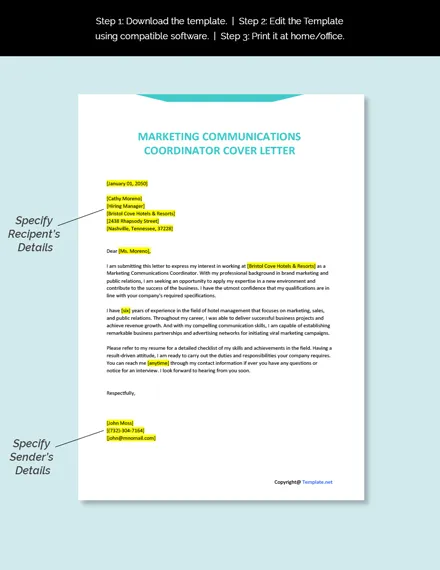
Structure your cover letter with a clear and logical flow. Use paragraphs to organize your thoughts and ideas. Include a professional header with your contact information, the date, and the employer’s contact information. Start with a compelling opening paragraph that states your interest in the position. In the body, highlight your key qualifications and achievements, and explain why you’re a good fit for the role. End with a strong call to action and a professional closing, such as ‘Sincerely’ or ‘Best regards’. Use white space strategically to avoid a cluttered appearance.
Secret 7 Call to Action & Closing
Your cover letter’s closing should leave a lasting impression and encourage the hiring manager to take action. The call to action should be direct and professional, and the closing should reiterate your enthusiasm. This is your final opportunity to make a strong impression. A well-crafted closing makes your application memorable and increases the likelihood of receiving a call for an interview. Avoid vague or generic closings. You want to demonstrate a keen interest in securing the position. Your closing statement should be well-structured, leaving a positive and lasting impact.
Making a Strong Impression
In your closing paragraph, reiterate your interest in the Communications Coordinator role and express your confidence in your ability to contribute to the organization’s success. Include a specific call to action, such as ‘I am eager to discuss my qualifications further in an interview’ or ‘I look forward to the opportunity to meet with you and discuss how my skills can benefit your team’. Ensure that your closing statement reflects your enthusiasm and shows your commitment to the role.
Expressing Gratitude
Express gratitude for the hiring manager’s time and consideration. Thank them for reviewing your application and expressing your enthusiasm for the opportunity. End with a professional closing, such as ‘Sincerely’ or ‘Best regards’, followed by your name and contact information. This final touch leaves a positive impression and reinforces your professionalism.