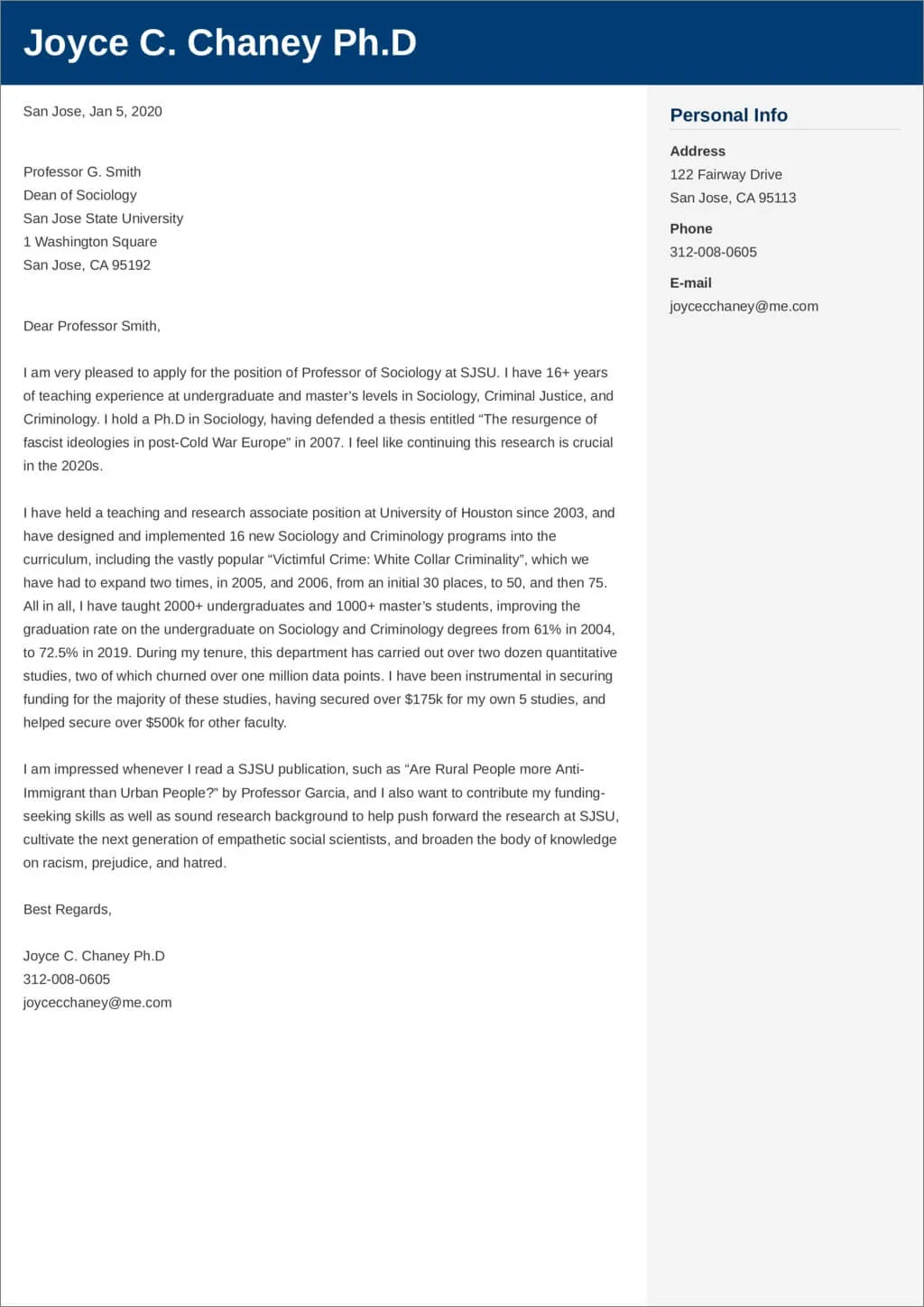
Why a Cover Letter is Crucial for Journal Submission
Submitting your research to an academic journal is a significant undertaking, and the cover letter is your first opportunity to make a positive impression. It serves as more than just a formality; it’s a crucial tool for persuading the editor that your work merits consideration for publication. A well-crafted cover letter can significantly increase your chances of acceptance by providing context, highlighting the importance of your research, and demonstrating your understanding of the journal’s focus. This initial communication sets the tone for the editor’s and reviewers’ perception of your paper, making it essential to invest time and effort in crafting a compelling and informative letter. Think of it as your personal introduction to the academic community the journal represents.
Tip 1 Tailor Your Cover Letter to the Journal
One of the most critical aspects of a successful cover letter is tailoring it specifically to the target journal. Generic cover letters are easily identified and often viewed unfavorably. Demonstrating that you’ve taken the time to understand the journal’s specific requirements and audience is crucial for making a strong first impression. This shows the editor you are serious about submitting to their publication and are not simply sending out a mass email to different journals. This personalized approach signals your commitment to the publication and the relevant field of study.
Understanding the Journal’s Scope and Audience

Before you begin writing, thoroughly review the journal’s aims and scope. What types of research does it publish? What are the key themes and methodologies? Familiarize yourself with recent publications to understand the journal’s current interests and the style of articles it favors. Understanding the audience is equally important. Who are the primary readers of the journal? Are they experts in your field, or a broader audience? Tailoring your language and emphasis to the specific audience will ensure your cover letter resonates and effectively communicates the significance of your research.
Highlighting Relevance of Your Research
In your cover letter, clearly articulate why your research is a good fit for the journal. Explicitly state how your work aligns with the journal’s scope and contributes to its existing body of knowledge. Briefly explain the research question, methodology, and key findings. Emphasize the novelty and significance of your work. If your research builds on or challenges previous publications in the journal, mention this connection, as it demonstrates a thoughtful engagement with the journal’s content and a potential contribution to ongoing discussions.
Tip 2 Clearly State Your Main Findings
Your cover letter should provide a concise summary of your research’s main findings. The editor needs to quickly grasp the essence of your work and its contribution to the field. Avoid overly technical jargon, and focus on communicating the core results in a clear and accessible manner. This section should provide a snapshot of the research’s most important outcomes and their implications.
Summarizing Your Research Contributions Concisely

Summarize the key contributions of your research in one or two concise sentences. This summary should highlight the most important findings and their significance. Use clear, direct language that avoids ambiguity. Frame your findings in a way that emphasizes their impact on the field, the insights they offer, or the new questions they raise. Make sure to distinguish your work from prior research to demonstrate your unique contribution.
Emphasizing Novelty and Significance
Clearly articulate the novelty and significance of your research. What new insights does your work offer? How does it advance current knowledge in the field? Explain why your findings are important and how they can be used or applied. Emphasize the potential impact of your work, whether it be theoretical, practical, or methodological. This section should convey the importance of your research and its relevance to the journal’s readership and the broader academic community.
Tip 3 Follow the Journal’s Specific Guidelines
Each academic journal has its own specific guidelines for cover letters, including formatting, content, and submission requirements. It’s important to adhere to these guidelines meticulously. Failure to do so can lead to immediate rejection, as it demonstrates a lack of attention to detail and respect for the journal’s standards.
Formatting Your Cover Letter Correctly

Pay close attention to the required formatting. This includes the font, margins, spacing, and any specific information the journal requires in the header or footer. Use the journal’s preferred format for citations and references. If the journal provides a template, use it. Following the format demonstrates professionalism and makes the editor’s job easier.
Including All Required Information
Ensure that your cover letter includes all the information requested by the journal. This may include the title of your paper, the authors’ names and affiliations, contact information for the corresponding author, a statement of the paper’s originality, a brief summary of the key findings, a statement about potential conflicts of interest, and any other information specified in the journal’s guidelines. Missing information can delay the review process or lead to rejection.
Tip 4 Demonstrate Your Expertise
Your cover letter is also an opportunity to briefly highlight your expertise and credibility in the field. By mentioning your relevant publications, presentations, and affiliations, you can establish yourself as a knowledgeable and qualified researcher.
Showcasing Your Previous Publications

If you have published in other peer-reviewed journals, briefly mention your previous publications that are related to the current manuscript. This will help to establish your reputation in the field and demonstrate your ability to conduct and publish high-quality research. Provide the citation for the most relevant publications. This section should be brief, focusing on publications that are directly related to the research you are submitting.
Mentioning Relevant Conferences and Presentations
Include any conferences or presentations where you have presented your research. This information provides additional evidence of your expertise and allows you to showcase your work to a broader audience. List the name of the conference, the date, and the title of your presentation. This shows the editor that your work has already been vetted by peers and is relevant to the scientific community.
Tip 5 Maintain a Professional Tone and Format
The tone and format of your cover letter should reflect the standards of academic writing. Maintain a professional and courteous tone throughout. Avoid overly casual language, slang, or colloquialisms. Proofread and edit your letter carefully to ensure it is free of errors in grammar and spelling.
Using Proper Grammar and Spelling

Accuracy in grammar and spelling is essential. Errors can detract from your credibility and undermine the editor’s confidence in your work. Carefully proofread the entire cover letter, or better yet, ask a colleague or a professional editor to review it. Use grammar and spell-checking tools, but don’t rely on them completely; they may not catch every error. A polished and error-free cover letter reflects professionalism and attention to detail.
Proofreading and Editing Your Cover Letter
Before submitting your cover letter, carefully proofread it. Check for errors in grammar, spelling, punctuation, and formatting. Read the letter aloud to catch any awkward phrasing or unclear sentences. Ensure that all information is accurate and up to date. Consider asking a colleague or mentor to review your cover letter for clarity, coherence, and accuracy. A well-edited cover letter will make a positive impression and increase your chances of publication.
Conclusion
Writing a compelling cover letter is a crucial step in the academic journal submission process. By tailoring your letter to the specific journal, clearly stating your findings, following the journal’s guidelines, demonstrating your expertise, and maintaining a professional tone and format, you can significantly increase your chances of publication. Remember that the cover letter is an opportunity to introduce yourself and your research, setting the stage for a successful review process and ultimately, the publication of your work.