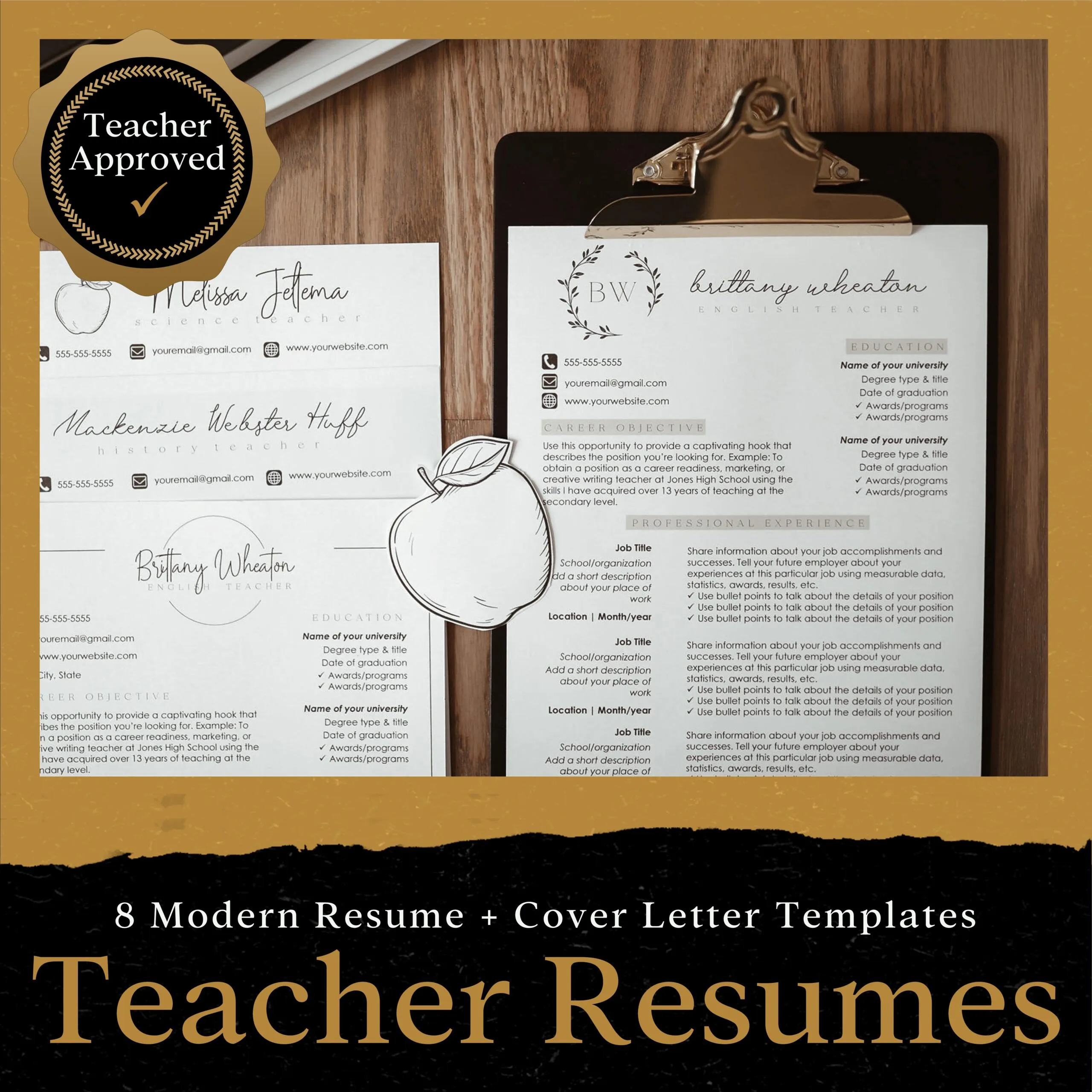
The Power of a Teaching Resume Cover Letter
In the competitive world of education, a well-crafted teaching resume cover letter can be your golden ticket to landing your dream job. It’s not just a formality; it’s your opportunity to make a lasting first impression and set yourself apart from other candidates. A strong cover letter showcases your personality, passion for teaching, and unique qualifications, providing a glimpse into the educator you are and the value you bring to the school community. It complements your resume by offering context, depth, and a personal touch that a list of accomplishments alone cannot convey. When done right, your cover letter becomes a powerful marketing tool that highlights your strengths and aligns your goals with the school’s needs. A compelling cover letter also demonstrates your communication skills, attention to detail, and genuine interest in the specific position and school. By strategically using this document, you increase your chances of getting noticed and securing an interview.
Highlight Your Key Teaching Skills
One of the most crucial secrets to a successful teaching resume cover letter is highlighting your core teaching skills. This section is where you demonstrate your practical abilities and expertise in the classroom. Rather than merely listing skills, provide specific examples of how you’ve utilized them to create positive outcomes for students. This approach transforms your cover letter from a generic list to a compelling narrative of your teaching prowess. Focus on areas where you excel and where your skills align with the school’s priorities. For example, if the school emphasizes differentiated instruction, make sure to showcase your experience and success in this area. By tailoring the examples to the specific requirements of the job, you show the hiring committee that you’ve done your research and are a good fit for the position. The goal is to give the reader a vivid picture of you in action, leading lessons and connecting with students.
Showcase Your Classroom Management

Classroom management is the bedrock of effective teaching. Your cover letter should provide concrete examples of your ability to create a positive and productive learning environment. Describe strategies you’ve used to establish clear expectations, manage student behavior, and foster a sense of community in your classroom. Perhaps you implemented a reward system that boosted student engagement or used restorative justice practices to resolve conflicts. Use specific examples to illustrate your techniques, providing a vivid picture of your classroom atmosphere and how it supports student learning. Avoid vague statements. Instead, focus on the details of your actions and the resulting positive outcomes. If you’ve successfully reduced disruptive behaviors or improved student participation, mention the specific methods you utilized. The goal is to illustrate your ability to create a structured, supportive, and engaging learning environment.
Emphasize Curriculum Development
Curriculum development is another area where you can distinguish yourself. Showcase your ability to design and implement effective lesson plans that cater to diverse learning needs. Discuss any experience you have in creating, adapting, or aligning curricula with specific standards or frameworks. Highlight any innovative teaching methods or resources you have implemented, especially if they led to positive results. For example, if you’ve used project-based learning or incorporated technology to enhance student engagement, be sure to mention it. Provide context for your curriculum development skills. If you’ve led a team in curriculum design or contributed to school-wide initiatives, this is the place to mention those experiences. Demonstrate your ability to not only teach but also to contribute to the ongoing improvement of the curriculum to benefit students.
Demonstrate Student Engagement
Engaging students is at the heart of effective teaching. Demonstrate your ability to create dynamic and captivating learning experiences in your cover letter. Provide specific examples of how you’ve made your lessons exciting and relevant to students. Did you use innovative teaching strategies, incorporate technology, or create hands-on activities? Describe the methods you’ve used to capture students’ attention and foster their enthusiasm for learning. If you’ve successfully implemented strategies to increase student participation or boost academic performance, be sure to highlight those results. This could include incorporating interactive activities, using games, or integrating real-world examples into your lessons. Emphasize how your approach encourages active learning and promotes a positive classroom environment.
Quantify Your Accomplishments

Numbers speak louder than words. Quantify your achievements whenever possible. Rather than simply stating that you improved student performance, provide data to support your claims. Mention the percentage increase in test scores, the number of students who met or exceeded academic goals, or the reduction in disciplinary incidents. Specific numbers make your accomplishments more tangible and demonstrate the positive impact you’ve had in the classroom. Similarly, if you’ve initiated a successful new program or project, highlight the number of students involved, the resources secured, or the outcomes achieved. For example, instead of saying you increased parent involvement, state the percentage increase in attendance at parent-teacher conferences. Use data to underscore your effectiveness and provide evidence of your teaching abilities. This helps hiring managers see the tangible value you bring.
Use Action Verbs and Strong Language
Your cover letter is your opportunity to show off your writing skills and your enthusiasm for teaching. Use strong action verbs to describe your accomplishments and skills, which will make your letter more dynamic and engaging. Words like ‘implemented,’ ‘developed,’ ‘collaborated,’ ‘achieved,’ ’led,’ and ’transformed’ can add power and impact to your writing. Avoid passive language, and instead, focus on what you did and the results you achieved. Use descriptive language to bring your experiences to life. Instead of saying you ’taught reading,’ you could say you ‘developed an engaging reading curriculum that increased student comprehension by 20%.’ This highlights your skills in curriculum development and demonstrates tangible results. The goal is to create a narrative that captivates the reader and showcases your skills.
Tailor Your Letter to Each Position
One of the biggest mistakes you can make is sending a generic cover letter. To maximize your chances of success, tailor each letter to the specific position and school. Research the school’s mission, values, and priorities. Review the job description carefully and highlight the skills and experiences that directly align with the requirements. Customize your letter to address the specific needs of the school and demonstrate your understanding of their culture. Show that you’ve taken the time to learn about the school and why you believe you would be a good fit. This could involve mentioning specific programs or initiatives that align with your teaching philosophy or referencing the school’s unique approach to education. By showing that you understand their needs and can contribute to their success, you significantly increase your chances of getting an interview. A generic letter suggests a lack of interest, while a customized one demonstrates dedication and initiative.
Research the School and Its Needs

Before writing your cover letter, thoroughly research the school and the position you’re applying for. Visit the school’s website, read about their mission and values, and familiarize yourself with their programs and initiatives. This will help you tailor your letter to demonstrate your understanding of the school’s needs and how you can contribute to their goals. If the school emphasizes a particular teaching philosophy, such as inquiry-based learning or project-based learning, highlight your relevant experience. Research the specific grade level and subject matter to ensure your letter speaks directly to the role’s requirements. By showing you’ve invested the time to learn about the school, you demonstrate your genuine interest in the position and your ability to contribute to the school’s mission. This attention to detail will set you apart from other candidates and increase your chances of getting an interview.
Address the Hiring Manager Directly
Whenever possible, address your cover letter to the hiring manager or principal by name. This personal touch shows that you’ve done your research and that you’re genuinely interested in the position. If you can’t find the hiring manager’s name, use a professional salutation like “Dear Hiring Committee.” Avoid generic greetings like “To Whom It May Concern.” Addressing the letter to a specific individual shows respect and attention to detail. If you’re unsure of the hiring manager’s name, check the school’s website, LinkedIn, or contact the school’s administrative office for assistance. Using the correct name makes your application feel more personal and demonstrates that you’ve taken the time to do your homework. This small step can make a big difference in the impression you create.
Proofread and Edit Meticulously
Typos, grammatical errors, and formatting issues can damage your chances. Always proofread and edit your cover letter carefully before submitting it. Errors can give the impression of carelessness, a lack of attention to detail, and a lack of professionalism. Thoroughly check for spelling mistakes, grammatical errors, and punctuation errors. Ensure your formatting is consistent and professional, with appropriate margins, font choices, and spacing. Consider having a friend, colleague, or career counselor review your letter for a fresh perspective. A second pair of eyes can catch errors that you might have missed. Proofreading and editing are essential steps to present yourself as a polished and capable candidate who cares about the details. A well-edited cover letter reflects your commitment to excellence and your strong communication skills.
Check for Grammar and Spelling Errors

Grammar and spelling errors can undermine your credibility as a teacher. Carefully check for any mistakes in your cover letter. This is a must-do step before submitting it. Misspellings or grammatical errors can make you appear careless or unprofessional, while demonstrating your strong language skills is crucial for teaching. Review your letter multiple times and use a grammar checker to catch any mistakes. Additionally, read your letter out loud. This helps you identify awkward phrasing and allows you to review the flow of your writing. Always have another person proofread your cover letter. A fresh pair of eyes is often more effective at catching mistakes than you are. Your goal is to present a polished, error-free document that reflects your professionalism.
Ensure a Professional Format
The formatting of your cover letter is just as important as its content. Ensure that your letter is properly formatted, professional, and easy to read. Use a standard, easy-to-read font such as Times New Roman, Arial, or Calibri, and keep the font size between 11 and 12 points. Maintain consistent margins (typically one inch on all sides) and use single spacing between lines and a double space between paragraphs. Include your contact information at the top of the letter, and be sure to date it. Use clear headings and bullet points if appropriate to organize your thoughts. A well-formatted cover letter shows that you pay attention to detail and take pride in your work. It makes your letter more visually appealing and helps the hiring manager easily absorb the information. A clean and professional format enhances the overall impact of your application.
The Importance of a Strong Conclusion
Your conclusion is your final chance to leave a lasting impression. It should reiterate your interest in the position and thank the reader for their time and consideration. It’s an opportunity to summarize your key qualifications, reiterate your enthusiasm, and express your confidence in your ability to contribute to the school. This closing reinforces your key selling points and provides a strong call to action. A well-crafted conclusion leaves the reader with a clear understanding of why you’re a great fit for the role and a positive impression of you as a candidate. It also reinforces your professionalism and attention to detail.
Reiterate Your Interest and Enthusiasm

Your cover letter’s conclusion should reiterate your enthusiasm for the position and the school. Briefly summarize why you’re excited about the opportunity and what makes you a strong candidate. Restate your interest in the specific teaching role, highlight your key skills, and reiterate your commitment to the school’s mission. Expressing genuine enthusiasm conveys your passion for teaching and helps the hiring manager visualize you succeeding in the role. Show that you are eager to be a part of the school community and contribute to its success. This positive reinforcement reinforces your commitment to the position and leaves the reader with a feeling of excitement about the possibility of you joining their team. Highlighting your excitement will leave a positive lasting impression.
Express Gratitude for the Opportunity
Always conclude your cover letter by expressing gratitude for the opportunity to apply. Thank the hiring manager for their time and consideration, and show that you appreciate them reviewing your application. This simple act of courtesy reflects professionalism and shows that you value the hiring manager’s time and effort. A sincere expression of gratitude leaves a positive impression and demonstrates your respect for the hiring process. This is an excellent way to end your letter on a positive note and to show that you are respectful of their time and effort. By demonstrating gratitude, you’re reinforcing your professionalism and leaving the reader with a positive impression.
Include a Clear Call to Action
End your cover letter with a clear call to action. This could be a statement indicating your availability for an interview or expressing your eagerness to discuss your qualifications further. Make it easy for the hiring manager to take the next step by providing specific information on how you can be contacted. Include your phone number and email address, and state that you are available at their earliest convenience. This action will help the hiring manager follow through with the next steps in the process and demonstrates your eagerness to move forward. By ending with a clear call to action, you move your application forward and increase your chances of landing the interview.