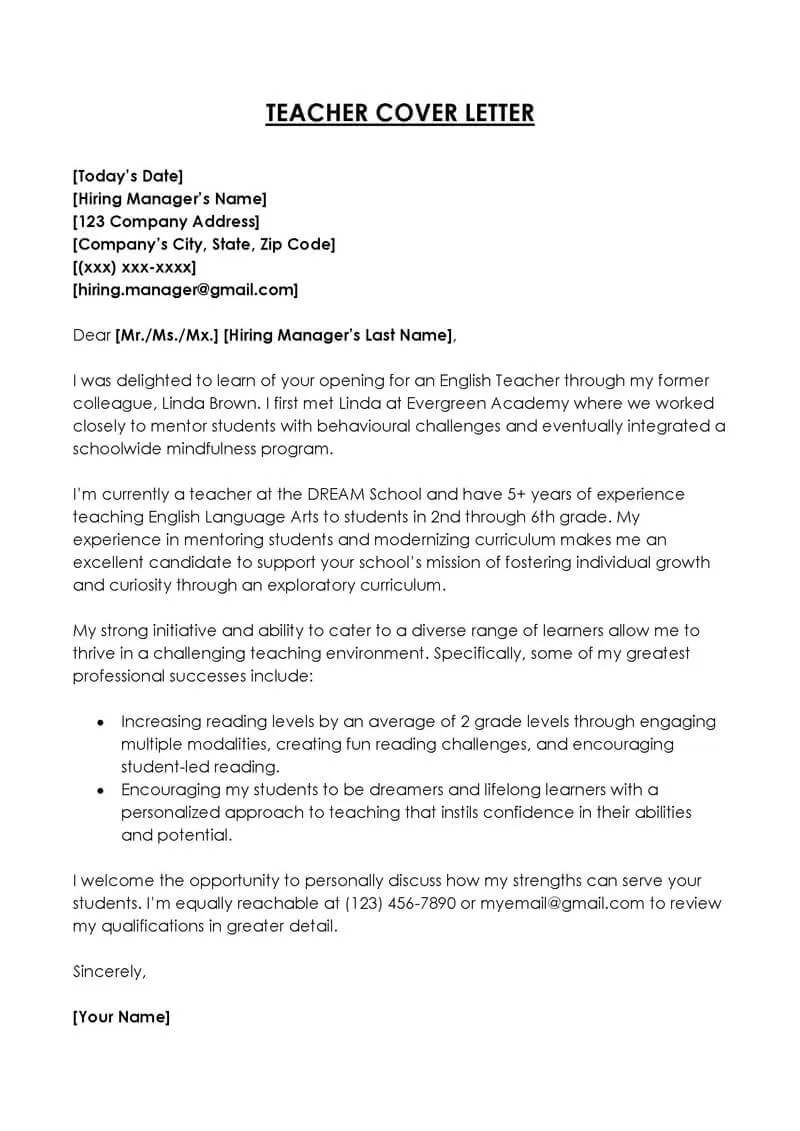
Landing a university teaching job requires more than just a strong resume. A well-crafted cover letter is your first opportunity to make a positive impression and demonstrate why you’re the ideal candidate. This guide reveals the secrets to writing a compelling cover letter that grabs attention and sets you apart from the competition. From highlighting your teaching philosophy to tailoring your letter for each specific position, we’ll cover all the essential elements you need to know to secure that interview and ultimately, the job. So, if you want to give yourself a competitive advantage, read on.
Highlighting Your Teaching Philosophy
Your teaching philosophy is the cornerstone of your cover letter. It’s where you articulate your beliefs about how students learn, how you facilitate that learning, and your overall approach to education. A strong teaching philosophy showcases your understanding of pedagogical principles and your commitment to student success. This section must be clear and concise, and should resonate with the values and goals of the university.
Understanding the Importance of a Teaching Philosophy
A well-defined teaching philosophy is crucial because it provides a framework for your teaching practices. It guides your decisions about curriculum design, classroom management, and assessment methods. In your cover letter, it allows you to articulate your teaching style, which often influences a hiring committee’s decision. Moreover, a strong philosophy demonstrates your dedication to the profession and your ability to adapt to different learning environments and student needs. When you put this into your cover letter, it instantly shows that you are a strong candidate.
Crafting Your Teaching Philosophy Statement

Your teaching philosophy statement should be a concise yet comprehensive overview of your educational approach. Begin by stating your core beliefs about teaching and learning. Then, describe your teaching methods and how you engage students. Include examples of how you create a supportive and inclusive learning environment. Also, address how you assess student learning and provide feedback. Show the hiring committee that you care about your students with your teaching philosophy statement. It should be no more than one page and tailored to each position.
Tailoring Your Cover Letter to the University
Generic cover letters are easily recognizable and often discarded. The key to success is personalization. Research the specific university, its mission, its values, and the specific requirements of the job. Demonstrate that you understand the institution’s needs and that you are a good fit. Tailoring your cover letter shows your genuine interest and increases your chances of making it to the next stage.
Researching the University’s Needs and Values
Before writing, thoroughly research the university. Examine its website, mission statement, and departmental goals. Look for information about the university’s priorities, such as student engagement, research, or community outreach. Identify the values that are important to the institution and its faculty. This will help you align your cover letter with the university’s specific needs and demonstrate how your skills and experience can contribute to its mission. Use the information you gather to customize your cover letter and show the hiring committee that you did your homework.
Customizing Your Letter for Each Position

No two teaching positions are the same. Therefore, tailor your cover letter to each specific job posting. Carefully read the job description and identify the key qualifications and responsibilities. Highlight the experiences and skills that align with those requirements. Use the language from the job posting to demonstrate that you understand what the university is looking for. Address the specific needs of the department and show how you can contribute to its success. Each cover letter needs to be unique.
Showcasing Your Experience and Qualifications
Your cover letter should provide a concise overview of your relevant experience and qualifications. Focus on demonstrating how your skills and experiences align with the requirements of the position. Provide specific examples of your accomplishments and quantify your achievements whenever possible. This will not only make your application stand out from the crowd but make it easier for the hiring manager to see you as a solid choice for the role.
Detailing Your Relevant Teaching Experience
Clearly outline your teaching experience, including the courses you’ve taught, the levels of students you’ve worked with, and the teaching methodologies you’ve employed. Provide specific examples of your successes, such as improved student outcomes, innovative teaching strategies, or positive student feedback. Quantify your accomplishments whenever possible. This may include the number of students taught, the percentage of students who improved their grades, or any awards or recognition you received.
Demonstrating Your Research and Publications

For many university teaching positions, research and publications are essential. Highlight your research interests and your contributions to your field. Provide a list of your publications and presentations. Mention any grants or awards you’ve received for your research. Be sure to explain how your research aligns with the needs of the department and how it can contribute to the university’s research goals. Be certain that your experience is very detailed in this section of your cover letter.
Addressing the Specific Requirements of the Job
Carefully review the job description and address each of the required qualifications. Use the language from the job posting and provide specific examples of how you meet each requirement. Explain how your skills and experiences align with the specific responsibilities of the position. If the job posting mentions specific software, technologies, or methodologies, be sure to highlight your experience with them. Tailor your cover letter specifically to the requirements of the job posting. Make sure that everything aligns perfectly.
Emphasizing Your Skills and Achievements
Focus on your most relevant skills and accomplishments in your cover letter. Make sure that the hiring committee knows exactly what you are capable of. Quantify your achievements whenever possible to make your claims more credible. Show the committee that you are the perfect fit for the role. Do not be afraid to mention your soft skills, particularly communication and leadership.
Quantifying Your Accomplishments Whenever Possible

Whenever possible, quantify your accomplishments to make them more impactful. Use numbers, statistics, and data to demonstrate the results you’ve achieved. For example, instead of saying “Improved student engagement,” say “Increased student engagement by 15% through the implementation of interactive learning activities.” The more specific you are, the more compelling your cover letter will be. Numbers tell a story, and numbers show that you care and the hard work that you are going to put into this job.
Highlighting Your Soft Skills Communication and Leadership
In addition to your technical skills, highlight your soft skills, such as communication, leadership, teamwork, and problem-solving. Provide examples of how you’ve used these skills in your teaching and research. Universities value candidates who can communicate effectively with students, colleagues, and the community. Be sure to highlight your leadership abilities, such as your experience mentoring students or leading research teams. Hiring committees want to know that you are a team player and that you care about others.
Closing Your Cover Letter Effectively
Your closing should leave a lasting positive impression. Express your enthusiasm for the position and reiterate your interest in the university. Provide your contact information and invite the reader to contact you with any questions. Make sure that you are easy to contact and provide your contact information in an easily accessible format. Always end with a professional closing, such as “Sincerely” or “Best regards.”
Expressing Your Enthusiasm and Interest

Conclude your cover letter by expressing your genuine enthusiasm for the position and the university. Reiterate your interest in the opportunity and emphasize how your skills and experience align with the university’s needs. Show the hiring committee that you are genuinely excited about the prospect of joining their team. Do not be afraid to let them know how much you care about the position, and that you want to succeed in the role. Be sure to tailor your closing statement to each position.
Providing Your Contact Information
Provide your contact information, including your phone number and email address. Make it easy for the hiring committee to contact you. Consider including a link to your professional website or online portfolio. This will allow them to learn more about your work. Ensure that your contact information is accurate and up-to-date. Make it easy for the hiring committee to reach you with your contact information.
Writing a cover letter for a university teaching job is a crucial step in the application process. By focusing on your teaching philosophy, tailoring your letter to the specific university and position, showcasing your experience and skills, and closing effectively, you can significantly increase your chances of securing an interview. Remember to always proofread your cover letter carefully and seek feedback from trusted sources. With a well-crafted cover letter, you will be well on your way to landing your dream job. Good luck!