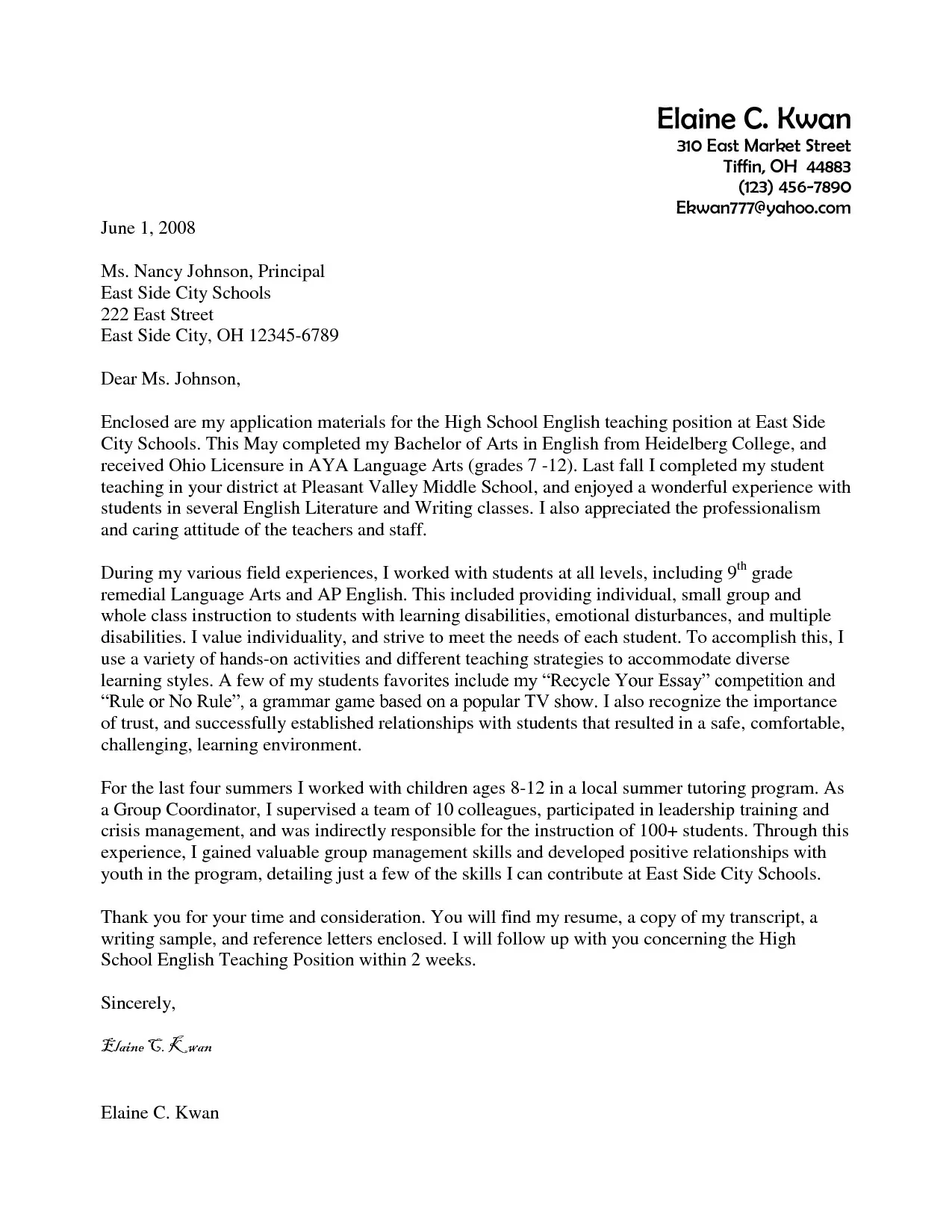
Understanding the Importance of a Teaching Cover Letter
Your teaching cover letter is more than just a formality it’s your first impression, your chance to shine, and your opportunity to convince a hiring manager that you’re the perfect fit for their school. In a competitive job market, a well-crafted cover letter can be the deciding factor in whether you get an interview. It allows you to go beyond the bullet points of your resume and truly showcase your personality, passion, and teaching philosophy. This guide will provide you with top tips to create a compelling cover letter that grabs attention and secures your next teaching position.
What Makes a Great Teaching Cover Letter
A great cover letter for a teaching job is tailored, enthusiastic, and highlights your unique strengths. It’s not a generic document; it’s a personalized narrative that connects your qualifications to the specific needs and values of the school. The tone should be professional yet personable, reflecting your enthusiasm for teaching and your commitment to student success. The best cover letters clearly articulate your teaching philosophy, classroom management approach, and any relevant achievements. Furthermore, the letter needs to demonstrate a clear understanding of the school’s mission and how you align with it.
Highlighting Your Qualifications

Your qualifications are the foundation of your cover letter, and it’s crucial to present them effectively. Focus on the aspects of your experience and skills that are most relevant to the specific teaching position. Don’t just list your qualifications; explain how they’ve equipped you to excel in this particular role and school environment. Back up your claims with concrete examples and quantifiable results whenever possible. Show, don’t just tell, how you have helped students learn and grow.
Education and Certifications
Clearly state your educational background, including the name of your institution, degree earned, and any relevant specializations or honors. Make sure to mention any teaching certifications you hold, along with the issuing state or organization. If you’re a recent graduate, you can highlight relevant coursework, student teaching experiences, or any projects that demonstrate your teaching skills. If you have completed advanced degrees or additional certifications, be sure to include those as well to demonstrate your commitment to continuous professional development.
Teaching Experience
Provide a concise but compelling summary of your teaching experience. Include the name of the school, the grades or subjects taught, and the duration of your employment. Go beyond simply listing your responsibilities; describe your accomplishments. For example, instead of saying “Taught 5th grade,” you could say, “Implemented a new reading curriculum that resulted in a 15% increase in student reading comprehension scores.” Use action verbs to describe your experience and quantify your achievements whenever possible to create impact.
Skills and Abilities

Identify the skills and abilities that are most relevant to the teaching position. These could include classroom management, lesson planning, curriculum development, differentiated instruction, and assessment. Mention any experience you have with specific technologies or software used in the classroom. If you have experience working with diverse learners or implementing inclusive practices, be sure to highlight that. Tailor this section to match the requirements outlined in the job description, ensuring you address the employer’s needs.
Tailoring Your Cover Letter
One of the biggest mistakes applicants make is sending out generic cover letters. To stand out, personalize each letter to the specific school and position. This shows that you’ve taken the time to understand the school’s needs and that you’re genuinely interested in joining their community. The key to success is customization by researching the school and matching your skills to their needs.
Researching the School
Before you start writing, thoroughly research the school. Visit their website, read their mission statement, and learn about their values and programs. If possible, find out about the school’s culture, student demographics, and any recent initiatives they’ve undertaken. Showing that you understand the school’s unique characteristics will demonstrate your commitment and increase your chances of success. Look for any specific requirements or preferences mentioned in the job posting and address them directly in your letter.
Matching Skills to the Job Description

Carefully review the job description and identify the key skills and qualifications the school is looking for. Then, analyze your own skills and experience to see how they align. Use the job description as a guide to emphasize the most relevant aspects of your background. This will demonstrate that you have the specific abilities needed to excel in the role. Avoid simply restating the job description; instead, provide concrete examples of how you’ve successfully applied those skills in the past.
Showcasing Your Passion for Teaching
Your cover letter should reflect your passion for teaching. The best teachers are not just skilled professionals; they are dedicated individuals who genuinely care about their students. To ensure you stand out from other applicants it’s important to demonstrate your genuine interest in the art of teaching and working with students. This includes explaining your teaching philosophy and how you approach student interactions.
Expressing Your Teaching Philosophy
Briefly articulate your teaching philosophy. What are your core beliefs about education, and how do you translate those beliefs into practice? Do you prioritize student-centered learning, project-based activities, or differentiated instruction? Explain how your philosophy aligns with the school’s mission and values. Give specific examples of how you foster a positive and inclusive classroom environment. When explaining your teaching philosophy, use vivid and engaging language.
Demonstrating Your Classroom Management Skills

Classroom management is a critical skill for teachers. Hiring managers want to know how you maintain order, create a productive learning environment, and address behavioral challenges. Briefly describe your approach to classroom management, including any specific strategies or techniques you use. Highlight your ability to create a safe and respectful learning environment. Share how you handle disruptive behavior and how you involve parents or guardians. Consider mentioning any training or certifications you have in classroom management or behavior intervention strategies.
Sharing Success Stories and Achievements
To make a strong impression, include some examples of your achievements as a teacher. Quantify these whenever possible to demonstrate your impact on student learning and the school community. Highlight success stories to further demonstrate how you are suitable for the role.
Quantifying Your Accomplishments
Use numbers and data to illustrate your impact. Instead of saying “Improved student test scores,” say “Increased student test scores by 15%.” Instead of “Improved student engagement,” say “Increased student engagement in classroom activities by 20%.” The more specific you are, the more credible your accomplishments will seem. If you led any successful initiatives or programs, provide metrics of their outcomes. Did a specific program result in increased parent involvement, improved student attendance, or other measurable results? Detail how you achieved those positive outcomes.
Providing Specific Examples

Provide specific examples of how you have made a difference in the classroom. These stories can be about individual students, classroom projects, or school-wide initiatives. For example, you could describe a student who overcame a learning challenge with your help or a project that resulted in significant student growth. The more concrete your examples, the more memorable your cover letter will be. They showcase your ability to solve problems, support students, and foster a positive learning environment. Ensure your examples are relevant to the job description and showcase skills the employer is seeking.
Formatting and Proofreading Your Cover Letter
A well-formatted and error-free cover letter reflects your professionalism and attention to detail. Make sure your letter is easy to read, visually appealing, and free of any grammatical errors or typos. This attention to detail is a reflection of the level of care you put into your work. A polished cover letter will set you apart from other applicants and help you showcase your skills.
Choosing the Right Tone and Style
Maintain a professional yet personable tone throughout your cover letter. Use clear, concise language, and avoid overly formal or jargon-filled phrases. Your cover letter should sound like you. Make sure the tone is consistent with the school’s culture. Be enthusiastic and show your personality. Keep your writing style engaging and avoid sounding monotonous. The goal is to create a positive connection with the hiring manager.
Proofreading for Errors

Proofreading is absolutely crucial. Even a single typo or grammatical error can undermine your credibility. After you finish writing your cover letter, proofread it carefully. Then, have someone else review it as well. They may catch errors that you have missed. Ensure you use a spell checker and grammar checker to eliminate common mistakes. Double-check the school’s name, the hiring manager’s name, and any other specific details to ensure accuracy.
Closing Your Cover Letter Effectively
The closing of your cover letter is an important opportunity to reiterate your interest and make a final positive impression. You want to ensure your final remarks reinforce your qualifications. This is your final chance to convince the hiring manager that you’re the right candidate, so close strongly.
Expressing Your Enthusiasm
Reiterate your enthusiasm for the position and the school. Express your belief that you can make a significant contribution to their community. Mention how excited you are about the opportunity to interview. Use an enthusiastic and confident tone, and let your passion for teaching shine through. You can end with a strong closing statement such as, “I am eager to contribute to the success of your students and the school’s mission.”
Providing Contact Information
Provide your contact information, including your email address and phone number. Ensure that your email address is professional and appropriate. Make it easy for the hiring manager to contact you. If you have a professional online profile, like a LinkedIn profile, you can also include a link.