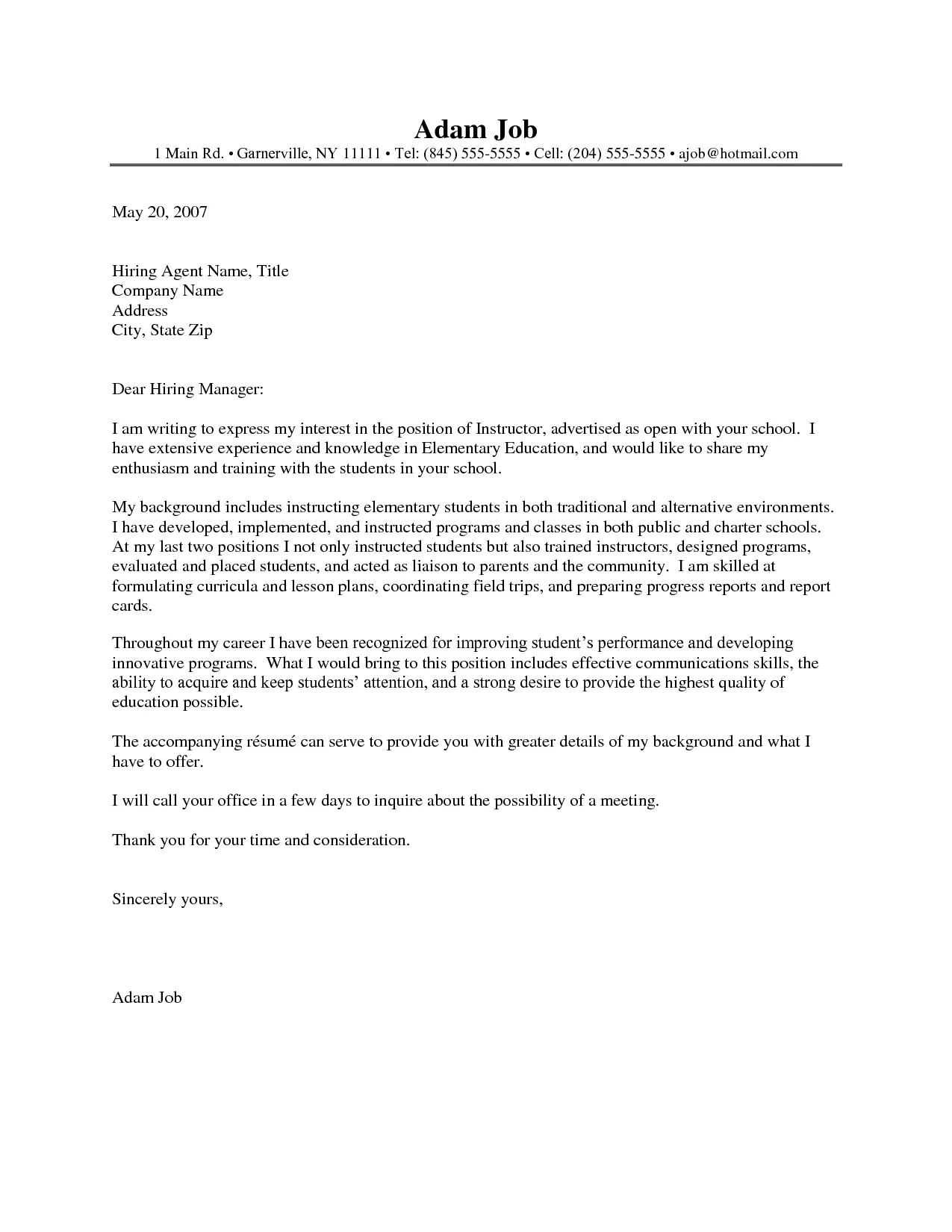
What Makes a Stellar Teacher Cover Letter
A stellar cover letter for teachers is more than just a formality; it’s your first opportunity to make a strong impression and showcase your unique qualifications. It complements your resume by providing a narrative that highlights your passion for education, your teaching philosophy, and your relevant experiences. This letter should demonstrate not only your skills and accomplishments but also your understanding of the school’s values and the specific needs of the students. By crafting a compelling cover letter, you increase your chances of securing an interview and ultimately landing the teaching position you desire. The goal is to captivate the hiring committee from the outset and make them eager to learn more about you.
Highlighting Your Skills
Your cover letter should effectively highlight your core teaching skills. Begin by identifying the key skills that the school is looking for. These could include classroom management, curriculum development, differentiated instruction, or experience with specific age groups or subjects. Provide specific examples of how you have utilized these skills in previous roles. Instead of simply stating that you possess these skills, describe a situation where you successfully implemented them. For instance, you could describe how you created a new lesson plan that increased student engagement by a certain percentage or how you implemented a new classroom management strategy that improved student behavior. Demonstrating the practical application of your skills is key to impressing potential employers.
Quantifying Your Achievements

Whenever possible, quantify your achievements. This adds credibility to your claims and provides tangible evidence of your impact. Instead of saying “I improved student test scores,” state “I improved student test scores by 15% in one year.” If you’ve received any awards or recognition, be sure to include those details as well. For instance, if you received a Teacher of the Year award, mention it. Quantifiable data and specific examples are far more compelling than general statements. If you have data related to classroom management, such as a reduction in disciplinary incidents, include that information. These numbers provide concrete proof of your abilities and make your cover letter stand out.
Tailoring Your Letter
One of the most critical aspects of a stellar cover letter is tailoring it to each specific job application. Generic cover letters that are sent out to numerous schools rarely make a lasting impression. Before you start writing, thoroughly research the school and the specific position. Identify the school’s mission, values, and any unique aspects of the role. Address the specific requirements mentioned in the job description and explain how your skills and experience align with their needs. Mentioning the school’s name and showing you understand its specific programs or initiatives demonstrates your genuine interest and attention to detail. Use the school’s language and reflect its culture within your letter to further impress the hiring committee. This personal touch will increase your chances of securing an interview.
Cover Letter Structure Guide
Header & Salutation

Begin with a professional header that includes your contact information (name, phone number, email, and LinkedIn profile if applicable). Following the header, include the date and the hiring manager’s name and title. If you do not know the hiring manager’s name, try to find this information through online research or by calling the school. Using a specific name is more impactful than a generic salutation like “To Whom It May Concern.” Your salutation should be formal, such as “Dear Mr./Ms. [Last Name].” This shows attention to detail and respect for the recipient.
Opening Paragraph
The opening paragraph is your chance to grab the reader’s attention. Clearly state the position you are applying for and how you learned about the opportunity. Briefly mention your key qualifications or your passion for teaching that makes you a good fit for the school. A compelling opening paragraph will hook the reader and encourage them to continue reading. Ensure that your opening is concise, engaging, and reflects your enthusiasm for the role. Avoid clichés and generic phrases. Make a statement that is unique and reflects your personal brand.
Body Paragraphs
The body paragraphs should delve into your skills, experience, and achievements. Use a few well-structured paragraphs to showcase how your qualifications align with the job requirements. Include specific examples from your past experiences to demonstrate your ability to meet the school’s needs. Use the STAR method (Situation, Task, Action, Result) to structure your examples. Briefly describe the situation, explain the task you needed to accomplish, detail the actions you took, and highlight the results of your efforts. This structure helps to create a clear, compelling narrative that showcases your capabilities. Your body paragraphs should provide evidence of your teaching philosophy and your ability to create a positive learning environment.
Closing Paragraph

In the closing paragraph, restate your interest in the position and express your gratitude for the reader’s time and consideration. Reiterate your enthusiasm for the opportunity and mention your availability for an interview. Include a strong call to action, such as “I am eager to discuss how my skills and experience can benefit your students and school community. Thank you for your time and consideration. I look forward to hearing from you.” Proofread your cover letter carefully before submitting it to catch any spelling or grammatical errors. Your closing paragraph should reflect confidence and professionalism.
Call to Action
A strong call to action encourages the reader to take the next step. This could include stating that you are available for an interview at their earliest convenience. Express your excitement about the opportunity to discuss your qualifications in more detail. Make it easy for them to contact you by including your phone number and email address. Ensure that your call to action is clear, concise, and expresses your enthusiasm for the role. This is the last impression you leave, so make it count.
Showcasing Different Cover Letter Examples
New Teacher Cover Letter Example

A new teacher’s cover letter should focus on their education, student teaching experiences, and any relevant volunteer work. Highlight your passion for education and your ability to quickly learn and adapt. Showcase your enthusiasm for working with students and your willingness to embrace new challenges. The examples should focus on skills and experiences to show their potential. Mention any awards or recognitions received during your college or student teaching. Emphasize your understanding of the school’s mission and how your teaching philosophy aligns with it. Display your eagerness to contribute to the school’s culture. For example, it is helpful to say something like, “I am eager to begin my career and am excited by the prospect of joining your team to help your students.” (See image: new-teacher-cover-letter)
Experienced Teacher Cover Letter Example
Experienced teachers have the advantage of showcasing a wealth of experience. Your cover letter should focus on the specific achievements and results you have accomplished over the years. Quantify your achievements whenever possible and provide concrete examples of your impact on student learning and school improvement. Emphasize your leadership skills and your ability to mentor other teachers or contribute to curriculum development. Highlight your ability to adapt to new technologies or teaching methods. Be sure to mention awards, special projects, and your ability to work with parents and the community. Demonstrate that you understand the school’s specific needs. For example, you might say, “During my time at X school, I implemented a new literacy program, which increased student reading comprehension scores by 20%."(See image: experienced-teacher-cover-letter)
Cover Letter for a Special Education Teacher Example
For special education teachers, your cover letter should emphasize your experience working with students with diverse learning needs. Highlight your knowledge of IEPs, differentiation strategies, and your ability to create an inclusive classroom environment. Include specific examples of how you have supported students with various disabilities and helped them achieve their academic and personal goals. Showcase your skills in collaborating with parents, therapists, and other support staff. Emphasize your patience, empathy, and commitment to helping every student succeed. For example, you might write, “I have extensive experience in developing and implementing individualized education programs (IEPs) for students with various learning disabilities, and am passionate about providing an inclusive learning environment.” (See image: special-education-teacher-cover-letter)
Key Takeaways to Write Stellar Cover Letter

A stellar cover letter is a crucial part of a teacher’s application. Tailor your cover letter to each job by researching the school, highlighting the skills and achievements using specific and quantifiable examples. Structure the cover letter by using a clear header, compelling opening, detailed body paragraphs, a strong closing paragraph, and a clear call to action. Remember to proofread for errors and showcase your passion. By carefully following these guidelines, you can create a cover letter that will grab the attention of the hiring committee and significantly increase your chances of getting the teaching job.