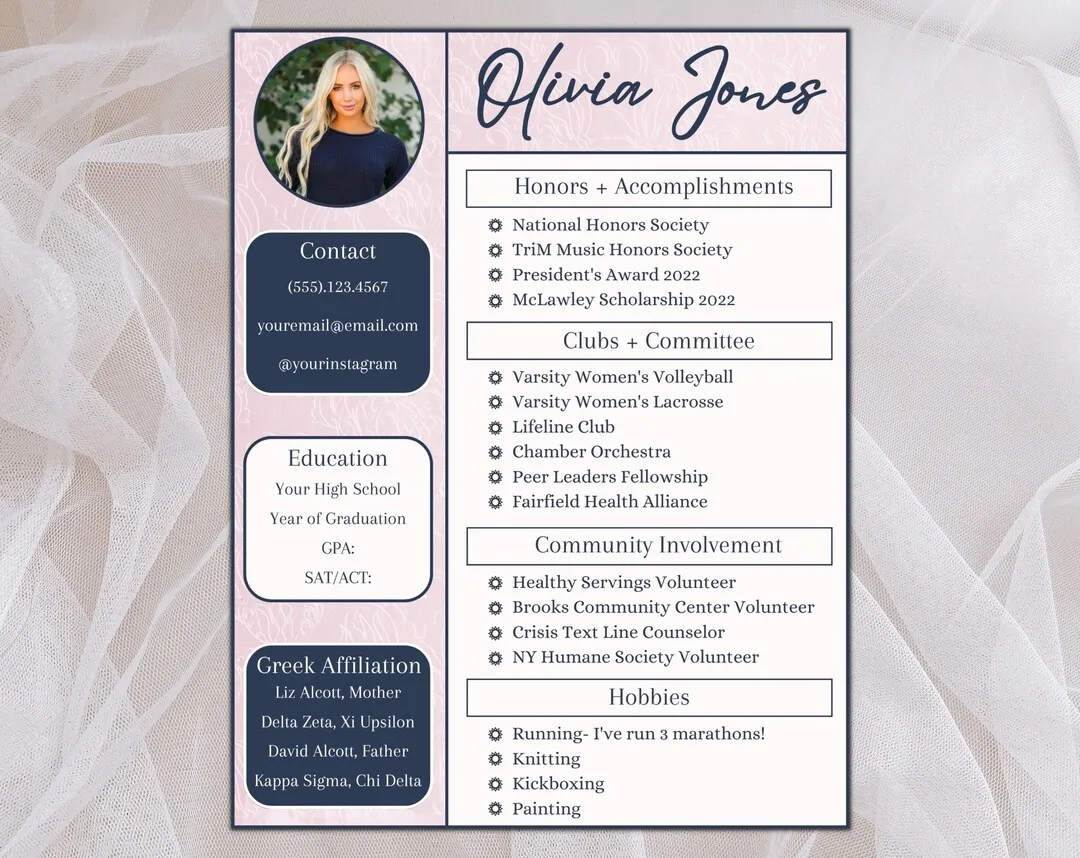
Crafting the Perfect Sorority Cover Letter
A well-crafted cover letter is your first impression to a sorority, offering a unique opportunity to showcase your personality, experiences, and genuine interest. It’s more than just a formality; it’s a crucial tool for making a memorable first impression and setting yourself apart from other applicants. By understanding the purpose of a cover letter, highlighting your unique qualities, and formatting it correctly, you significantly increase your chances of being noticed during the recruitment process. This guide will help you navigate the essential elements of a compelling cover letter that reflects your personality and aspirations.
Understanding the Purpose of a Cover Letter
The primary goal of a sorority cover letter is to introduce yourself and explain why you’re a strong candidate. It’s your chance to go beyond the information presented in your resume and connect with the selection committee on a personal level. It allows you to demonstrate your genuine interest in the sorority, convey your passion for its values, and highlight how your experiences and skills align with their mission. Think of it as an opportunity to tell your story and paint a vivid picture of who you are beyond your qualifications. It is also a platform to share your goals, aspirations and what makes you different from the crowd, and why you think you fit well with the values and culture of the sorority.
Highlighting Your Unique Qualities

Every applicant has unique qualities to bring to the table. Your cover letter is the perfect place to share them. Consider what makes you, you! What are your strengths? Have you overcome obstacles? Have you pursued passions? Did you work on any team? Were you the leader, the helper or the motivator? Perhaps you are a creative writer, a skilled public speaker, or a compassionate listener. Showcase these qualities with specific examples. Don’t just state that you’re a leader; describe a time you took initiative, motivated a team, or solved a problem. The more specific and genuine your examples, the more memorable your cover letter will be. Be authentic and let your personality shine through; this will help you stand out.
Why a Cover Letter Matters for Sorority Applications
In sorority applications, a cover letter provides a crucial personal touch that a resume alone cannot convey. It allows you to demonstrate your enthusiasm and explain why you align with the sorority’s values. It’s an opportunity to connect with the selection committee on a personal level and highlight experiences and skills that make you a great candidate. In the world of recruitment, a cover letter becomes a direct line to the hearts and minds of the sorority sisters, showcasing not just your qualifications, but also your personality, aspirations, and genuine commitment. Failing to submit a cover letter can give the impression that you lack seriousness or attention to detail, potentially jeopardizing your chances of getting an invitation.
Formatting Your Sorority Cover Letter
Proper formatting is essential for a cover letter that is easy to read and visually appealing. A well-formatted letter demonstrates professionalism and attention to detail. It’s important that the cover letter looks good, uses professional fonts, and has appropriate spacing. The structure of your cover letter is just as critical as the content. It helps guide the reader and makes your key points easy to find. A clean, organized layout shows that you respect the reader’s time and ensures your message is delivered effectively.
Header and Contact Information

Start with your full name, address, phone number, and email address in the header. Include the date and the name and title of the person you’re addressing the letter to, if known. If you are unsure, you can use the title of the recruitment chair or simply use ‘To the Recruitment Committee’. Make sure all your information is accurate and current to allow for seamless communication. The header section sets the foundation of your professionalism and provides quick access to your contact information.
Proper Salutations
Use a formal salutation, such as ‘Dear [Recruitment Committee],’ or ‘Dear [Name of Recruitment Chair],’ if known. Avoid casual greetings like ‘Hey’ or ‘Hi.’ This sets a tone of respect and professionalism. The way you greet the reader makes a difference in the perception of your letter. Proper salutations establish a professional tone and show respect, making it more likely your letter is taken seriously. Addressing the specific person or committee shows you have done your homework.
Body Paragraph Structure
The body of your cover letter should be divided into paragraphs, each with a clear purpose. The first paragraph should introduce yourself and state the purpose of your letter. The middle paragraphs should elaborate on your relevant skills, experiences, and why you’re interested in the sorority. The last paragraph should summarize your interest and express your eagerness to learn more. Maintain a conversational but formal tone. The clarity of your body paragraphs is a reflection of your organizational skills, and the ease with which the reader can understand your main points. Divide your cover letter into well-defined paragraphs, making sure each section has a central message.
Formatting Examples

Ensure your letter has clear, concise paragraphs. Each paragraph should ideally focus on a single idea or theme. Use a standard, readable font like Times New Roman or Arial in a 12-point size. Use single spacing within paragraphs and double spacing between paragraphs to improve readability. Use bullet points where it helps to organize information, such as highlighting key skills or experiences. Ensure consistent formatting throughout your letter. Correct formatting makes it easier to read and helps your message stand out.
Common Formatting Mistakes to Avoid
Avoid using overly large fonts, excessive use of bold or italics, and distracting colors or designs. Make sure your margins are standard (1 inch) and the text is aligned properly. Be mindful of grammar and spelling errors. Poor formatting can detract from the message and make it difficult for the reader to take your application seriously. Improper formatting includes using multiple fonts or colors or having a poor layout. It is essential to ensure that your cover letter is both visually appealing and easy to read.
Content to Include in Your Cover Letter
The content is the most important part of your cover letter. It shows the sorority why you are a good fit and why you are interested. Tailor your letter to the specific sorority you’re applying to, demonstrating your knowledge of their values, mission, and activities. Highlight experiences that align with those values, and explain how you can contribute to their organization. Show your understanding of what the sorority represents and how you can contribute to it. This personal connection is what will set you apart from other applicants.
Expressing Your Passion for the Sorority

Clearly state why you are interested in joining this specific sorority. What aspects of the sorority’s mission, values, or activities resonate with you? Share personal stories that illustrate your connection to their ideals. Research the sorority’s history and accomplishments, and explain how you hope to contribute. Let them know why their organization matters to you. Expressing your passion shows genuine interest and makes you more memorable. It shows your desire to be a part of their sisterhood.
Showcasing Leadership Experience
Highlight any leadership roles you’ve held, such as in clubs, sports teams, or volunteer organizations. Describe your responsibilities and what you accomplished in these roles. Use the STAR method (Situation, Task, Action, Result) to provide specific examples of how you’ve led teams, solved problems, or achieved goals. Leadership is about more than titles; it’s about what you have done. Show how you have influenced others, improved processes, or contributed to a team’s success. Don’t just list your titles, explain how you demonstrated leadership skills.
Demonstrating Academic Excellence
Mention your GPA, any academic achievements, or any relevant coursework that aligns with the sorority’s values. Highlight any academic awards, scholarships, or honors you’ve received. Show how your academic pursuits reflect your commitment to excellence and personal growth. Demonstrating academic success and a commitment to learning is important. This shows you have the discipline, focus, and drive to succeed. Emphasize how you have gone above and beyond in your studies. This shows your potential and dedication.
Highlighting Community Involvement

Detail any community service or volunteer work you’ve been involved in, as many sororities prioritize philanthropy and giving back. Explain how you contribute to society and the impact of your efforts. Showcase activities and programs you participate in that align with the sorority’s philanthropic goals. This includes any fundraising, volunteering, or community involvement that has been meaningful to you. The sorority will want to see your commitment and dedication to helping others.
Closing Your Sorority Cover Letter
The closing of your cover letter provides a final opportunity to reinforce your enthusiasm and leave a positive impression. It is an excellent place to reiterate your interest in joining the sorority and to express your gratitude for the consideration. A well-crafted closing shows professionalism and genuine interest, which can significantly impact the application process. This is where you restate your enthusiasm and make it clear that you want to move forward in the process.
The Importance of a Strong Closing
A strong closing reinforces your key points and leaves the reader with a clear understanding of your interest and qualifications. Avoid generic phrases and make sure it’s tailored to the sorority. Make a memorable impression that will make you stand out from the crowd. The closing paragraph should reiterate your enthusiasm, summarize why you’re a great fit, and encourage further action. Your closing should reinforce your interest and leave a lasting positive impression.
Call to Action

End your letter by expressing your enthusiasm and eagerness for the opportunity to meet the sisters. Thank them for their time and consideration. Make it clear that you are available for an interview and provide your contact information if it’s not already included. A proactive approach shows your commitment to the sorority. End with a polite closing, like ‘Sincerely’ or ‘Best regards,’ followed by your typed name. Reiterate your interest and include a clear call to action to let the sorority know you are serious about the next steps.
Proofreading and Editing Your Letter
Before you send your cover letter, review it carefully for any grammatical errors, spelling mistakes, or typos. Use a grammar checker and have a friend or family member proofread it as well. Ensure that the tone and style are consistent throughout the letter. Errors make you look unprofessional and can detract from your qualifications. Take the time to read your letter aloud to identify any awkward phrasing or areas for improvement. Proofreading helps catch errors before they get noticed.
In conclusion, a well-crafted cover letter is a powerful tool for showcasing your personality, experience, and genuine interest in joining a sorority. By following these guidelines, you can create a compelling letter that will make a positive impression and significantly increase your chances of success during the recruitment process. Always highlight your achievements, interests, and enthusiasm while keeping the organization’s values in mind. Your goal is to create a letter that makes you stand out.