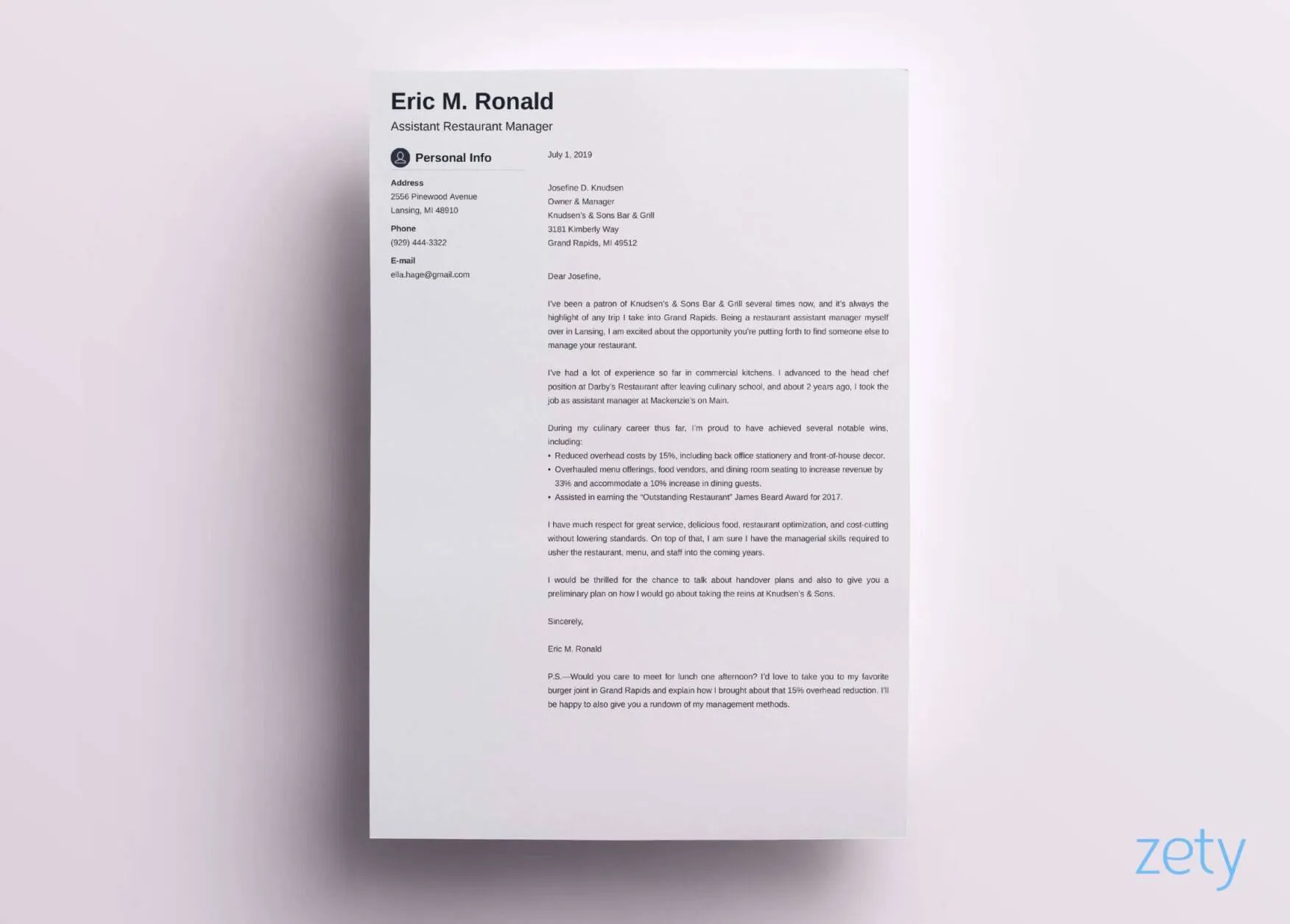
What Is a Simple Cover Letter?
A simple cover letter is a concise and focused document that accompanies your resume when applying for a job. Its primary purpose is to introduce you to the hiring manager, highlight your key skills and qualifications, and express your interest in the position. Unlike more elaborate cover letters, a simple one prioritizes clarity and directness, making it easy for recruiters to quickly understand your suitability for the role. It’s designed to be a brief overview, providing just enough information to pique their interest and encourage them to read your resume for more details. The effectiveness of a simple cover letter lies in its ability to communicate your value proposition efficiently, saving the hiring manager time while still making a strong impression.
Why Use a Simple Cover Letter
In today’s fast-paced job market, simplicity can be a significant advantage. A simple cover letter respects the hiring manager’s time, providing essential information without overwhelming them with unnecessary details. It demonstrates your ability to communicate clearly and concisely, a crucial skill in almost every profession. Furthermore, a simple approach can be particularly effective when applying for roles where directness is valued. It allows you to immediately highlight the most relevant aspects of your experience and skills, making it easier for the hiring manager to quickly assess your fit for the position. This format allows you to make a positive impression and demonstrate that you have the ability to communicate efficiently, which can be highly desirable.
Cover Letter Structure

The structure of a simple cover letter is straightforward, designed for easy reading and comprehension. It typically begins with your contact information, followed by the hiring manager’s details, the opening paragraph, body paragraphs, and a closing paragraph. Each section serves a specific purpose, contributing to the overall effectiveness of your letter. A clear structure ensures that you present your information in a logical order, making it easy for the reader to follow along and quickly grasp your key qualifications and enthusiasm for the role. Maintaining a clear structure is not just about presenting information, it is about communicating effectively.
Your Contact Information
At the top of your cover letter, include your name, address, phone number, and email address. Ensure this information is accurate and up-to-date. Using a professional-looking email address is essential; avoid using nicknames or informal addresses. The inclusion of your contact details ensures that the hiring manager can easily reach you if they are interested in your application, making the process smoother and more efficient. Make certain to double-check for any errors to avoid any potential communication issues and display yourself in a professional manner. (See image, contact-info-cover-letter.webp)
Hiring Manager Contact Information
If possible, address your cover letter to a specific person; research the hiring manager’s name and title. Use a formal salutation, such as “Dear Mr./Ms./Mx. [Last Name]”. If you cannot find a specific name, use a general greeting like “Dear Hiring Manager”. Addressing the letter to a specific person demonstrates that you have taken the time to research the company and position, showing initiative and attention to detail. This personalization can make your application stand out from the many generic ones, and this simple step demonstrates your genuine interest in the opportunity.
The Opening Paragraph

In your opening paragraph, state the position you are applying for and where you saw the job posting. Briefly mention why you are interested in the role and the company. Keep it concise and engaging to capture the reader’s attention from the start. The goal is to immediately communicate your intent and create interest, encouraging the reader to continue reading your letter and review your resume. The opening paragraph sets the tone for the rest of the cover letter and is an important step in making a positive first impression. (See image, opening-paragraph-cover-letter.webp)
Body Paragraphs
The body paragraphs are where you highlight your relevant skills and experience, connecting them to the job requirements. Focus on a few key qualifications that align with the job description, providing specific examples of your accomplishments. Use action verbs to describe your responsibilities and achievements. Keep each paragraph focused and to the point, avoiding unnecessary jargon. The body paragraphs are your opportunity to demonstrate your value and explain how your skills and experience make you an ideal candidate, so use them to create a strong case for yourself. (See image, body-paragraphs-cover-letter.webp)
Highlight Relevant Skills and Experience
Carefully review the job description and identify the key skills and experiences that the employer is looking for. Then, in your body paragraphs, highlight how your past experiences demonstrate those skills. Provide specific examples of situations where you have successfully used those skills, and quantify your achievements whenever possible. Use language and keywords that are similar to those used in the job description to demonstrate that you meet the requirements of the position. Ensure that the information is easy to follow and directly related to the requirements of the role.
Quantify Your Accomplishments

Whenever possible, quantify your accomplishments to provide concrete evidence of your abilities. Instead of saying “Improved customer satisfaction,” say “Increased customer satisfaction by 15% through implementing a new feedback system.” Numbers and data make your achievements more impactful and provide a clear indication of your value. Use metrics, percentages, or specific results to make your claims more credible and show the potential value you can bring to the company. Quantifying your accomplishments adds significant weight to your cover letter.
Closing Paragraph
In your closing paragraph, reiterate your interest in the position and thank the hiring manager for their time and consideration. Express your enthusiasm and willingness to discuss your qualifications further in an interview. Keep the tone professional and positive, and include a call to action, such as “I look forward to hearing from you soon.” A strong closing paragraph leaves the hiring manager with a positive impression and encourages them to contact you for an interview. (See image, closing-paragraph-cover-letter.webp)
Express Gratitude and Call to Action
Expressing gratitude and including a call to action are essential parts of your closing paragraph. Thank the hiring manager for considering your application and reiterate your interest in the position. Clearly state that you are available for an interview and provide your contact information again, just in case. This not only shows your appreciation, but also encourages the hiring manager to take the next step by contacting you.
Formatting Tips

Formatting your cover letter correctly is crucial for readability and professionalism. Use a clean, easy-to-read font like Arial or Times New Roman, with a font size of 11 or 12 points. Use single spacing within paragraphs and double spacing between paragraphs to make the text easier to read. Maintain consistent margins throughout the document, and ensure there are no spelling or grammatical errors. The formatting contributes to the overall impression, demonstrating attention to detail and professionalism. A well-formatted cover letter is much more likely to be read and appreciated.
Keep it Concise
Aim for a cover letter that is no more than one page long. Recruiters and hiring managers often have limited time, so it’s essential to get your message across quickly. Prioritize the most important information, and avoid unnecessary details or lengthy explanations. A concise cover letter demonstrates that you value the reader’s time and can communicate effectively. Make every word count, ensuring that each sentence contributes to showcasing your qualifications and enthusiasm for the role.
Proofread Carefully
Before submitting your cover letter, carefully proofread it for any errors in grammar, spelling, and punctuation. Errors can undermine your credibility and make you appear less professional. Use spell check and grammar check tools, and ideally, have someone else review your cover letter as well. Proofreading is a crucial step in ensuring that your cover letter is polished and presents you in the best possible light.
Simple Cover Letter Examples

Reviewing examples of simple cover letters can help you understand the structure and tone. Search online for cover letter templates tailored to your industry or the specific job you are applying for. Pay attention to how the examples highlight skills and experience, and how they effectively convey enthusiasm. Use these examples as a starting point to create your own customized cover letter that reflects your unique qualifications and personality. (See image, simple-cover-letter-examples.webp)
- Use a professional format and structure
- Keep it concise and clear
- Tailor each cover letter to the specific job
- Proofread thoroughly before submitting