Crafting Your Science Cover Letter
A well-crafted science cover letter is your first opportunity to make a strong impression on potential employers. It’s more than just a formality it’s your chance to showcase your skills, passion, and suitability for the role. Unlike a resume, which provides a factual overview of your experience, a cover letter allows you to tell a story. It lets you explain why you’re interested in the specific position and company, and how your unique qualifications align with their needs. A compelling cover letter sample should always be tailored to the specific job, demonstrating your genuine interest and providing concrete examples of your accomplishments and how they can benefit the organization.
Understanding the Purpose
The primary purpose of a science cover letter is to introduce yourself and explain why you are the best candidate for the job. It serves as a preview to your resume, highlighting key achievements and experiences that are most relevant to the position. Your goal is to get the hiring manager interested enough to read your resume and, ultimately, invite you for an interview. Think of it as a persuasive marketing document where you are selling your skills and qualifications. Therefore, clarity, conciseness, and a strong focus on the employer’s needs are crucial for success. Furthermore, a well-written cover letter sample can demonstrate your communication skills, attention to detail, and professionalism all important qualities in the scientific field.
Highlighting Your Skills

Your cover letter should prominently feature your key skills and how they align with the job requirements. Review the job description carefully and identify the skills and qualifications the employer is seeking. Then, provide specific examples from your previous experiences where you’ve utilized these skills to achieve positive results. This could include laboratory techniques, data analysis, project management, or any other relevant skills. Quantify your achievements whenever possible, using numbers to showcase your impact. For instance, instead of saying ‘Managed a research project’, state ‘Managed a research project, resulting in a 15% increase in efficiency and successful publication in a peer-reviewed journal.’ This provides concrete evidence of your capabilities.
Researching the Company
Before you start writing, research the company thoroughly. Understand their mission, values, recent projects, and the specific requirements of the role. This information will enable you to tailor your cover letter to their needs, demonstrating that you’ve taken the time to learn about their organization. Mentioning specific projects or initiatives that resonate with your skills and interests will make your cover letter sample more compelling. This personalized approach shows the employer that you’re genuinely interested in the position and the company, increasing your chances of standing out from other applicants. Look at their website, social media, and recent publications to gather relevant information.
Structuring Your Science Cover Letter
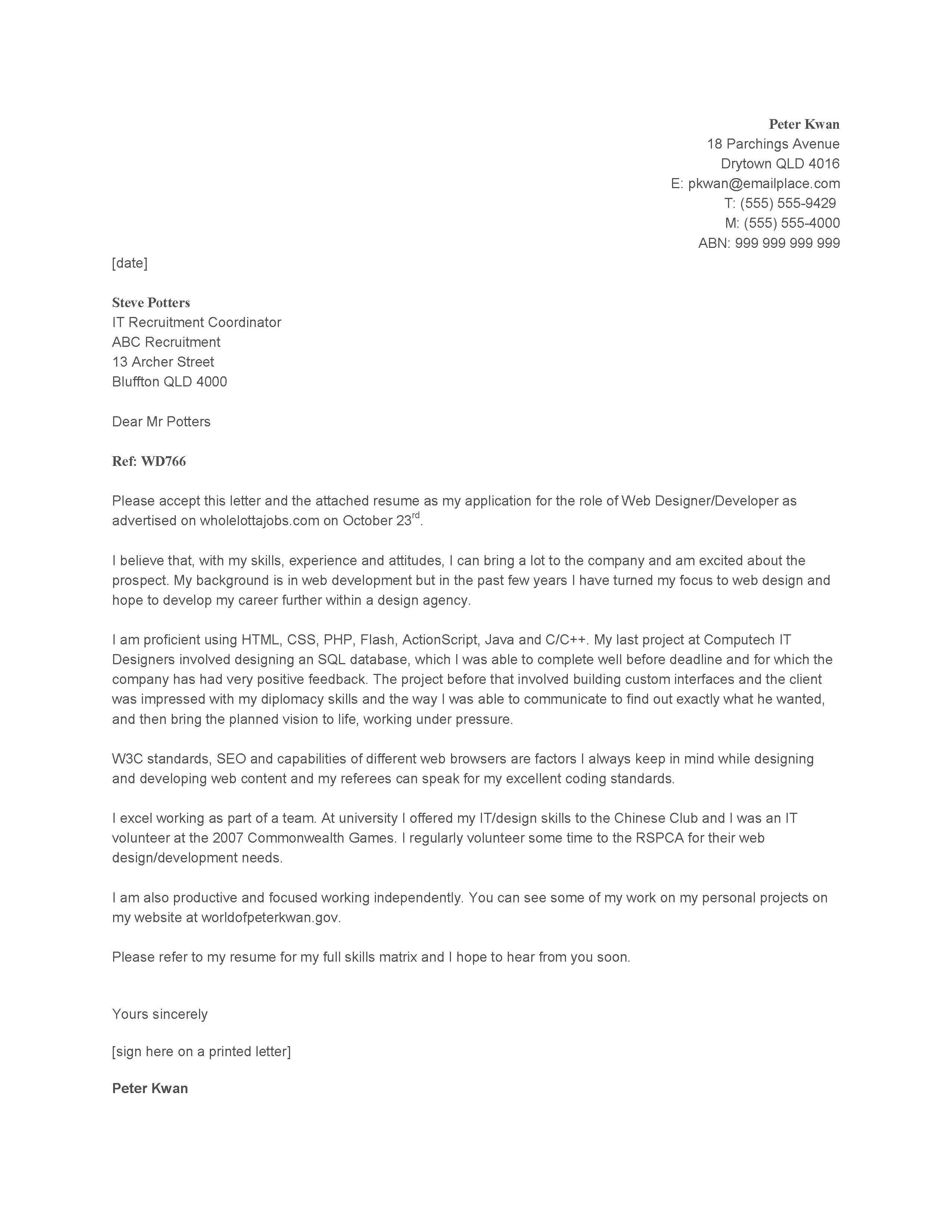
A well-structured cover letter is easier to read and helps you convey your message effectively. Following a standard format ensures that you include all the necessary information and present yourself in a professional manner. The key sections include the header, opening paragraph, body paragraphs, and closing paragraph. Each section plays a crucial role in conveying different aspects of your qualifications and expressing your interest in the position. A clean layout with appropriate spacing and font choices enhances readability and reflects your attention to detail. A good science cover letter sample follows a logical flow, guiding the reader through your qualifications and making a strong case for why you are a good fit.
Header Information

The header should include your contact information, such as your name, address, phone number, and email address. It’s also customary to include the date and the recipient’s contact information, including their name, title, and the company’s address. Using a professional email address is essential. This ensures that the hiring manager can easily reach you and that your application looks polished and professional. Ensure that all the information is accurate and up-to-date, as any errors in this section can lead to missed opportunities. The header sets the stage for the rest of your cover letter sample, so make sure it is clear, concise, and easily accessible.
Opening Paragraph
The opening paragraph is your first chance to capture the reader’s attention. Clearly state the position you’re applying for and where you found the job posting. Briefly mention why you are interested in the role and the company. A strong opening paragraph should be concise, enthusiastic, and tailored to the specific job. Consider mentioning a key accomplishment or skill that immediately demonstrates your suitability. Avoid generic openings; instead, personalize your introduction to show your understanding of the company and the role. This sets the tone for the rest of your letter and encourages the reader to continue reading your science cover letter sample.
Body Paragraphs
The body paragraphs should expand on your skills, experiences, and achievements. Provide specific examples of how you have utilized your skills in previous roles and the results you achieved. Quantify your accomplishments whenever possible using numbers and data. Connect your skills and experiences to the requirements outlined in the job description. This is where you showcase how your qualifications align with what the employer is seeking. Use clear and concise language, avoiding jargon that the reader might not understand. Each paragraph should focus on a different aspect of your qualifications, creating a cohesive narrative that highlights your suitability for the position. A well-structured body helps convince the reader of your value as a candidate.
Closing Paragraph
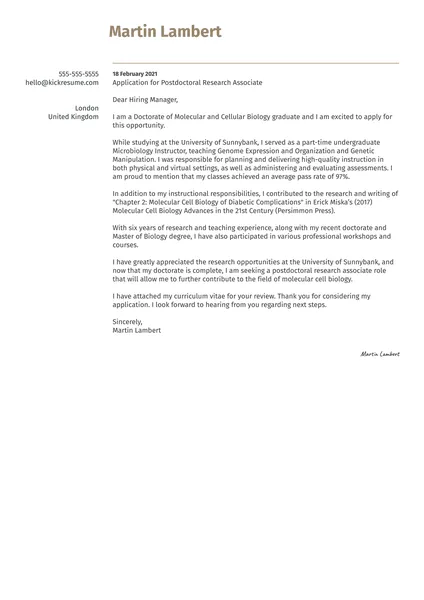
In the closing paragraph, reiterate your interest in the position and express your enthusiasm for the opportunity. Thank the hiring manager for their time and consideration. Include a call to action, such as stating that you are available for an interview and are eager to discuss your qualifications further. Keep the closing paragraph brief and professional. Reiterate your interest in the role and your excitement about the prospect of joining the company. Ensure you provide your contact information one last time. Ending with a strong closing helps create a positive lasting impression and increases your chances of moving to the next stage of the application process. A well-crafted science cover letter sample has a clear and impactful conclusion.
Formatting and Style
The formatting and style of your cover letter are just as important as the content. A clean, professional appearance demonstrates your attention to detail and professionalism. Use a standard font, appropriate spacing, and ensure that your cover letter is easy to read. Your goal is to present your information in a way that is accessible and visually appealing. Pay attention to the layout, ensuring that it is consistent throughout the document. These details contribute to your overall presentation and enhance the impact of your cover letter sample. Poor formatting can distract from your qualifications and undermine your application. Take the time to perfect the formatting, to help you present a professional image.
Font and Spacing
Choose a standard, easy-to-read font such as Times New Roman, Arial, or Calibri. The font size should be between 10 and 12 points. Use single-line spacing with a space between each paragraph. These formatting choices enhance readability and make your cover letter sample more visually appealing. Avoid using fancy or overly stylized fonts, as they can distract the reader. Ensure consistent formatting throughout the document, including the header, body paragraphs, and closing. Proper font and spacing create a professional appearance, making your application more inviting to read. This detail reflects your professionalism and attention to detail, which are important qualities in any scientific field.
Proofreading and Editing

Proofreading and editing are critical steps in the cover letter writing process. Before submitting your cover letter, carefully review it for any grammatical errors, spelling mistakes, or typos. Ask a friend or colleague to review your cover letter for you, as a fresh pair of eyes can often catch mistakes that you might miss. Ensure that your writing is clear, concise, and free of jargon. Correct any inconsistencies in formatting or style. A polished, error-free cover letter reflects your professionalism and attention to detail. Proofreading and editing show the employer that you care about the quality of your work. A well-edited cover letter sample increases your credibility and improves your chances of getting an interview.
Common Mistakes to Avoid
Several common mistakes can undermine your cover letter. Avoid generic cover letters; always tailor each letter to the specific job. Do not simply restate your resume; provide additional details and insights. Avoid typos, grammatical errors, and poor formatting. Do not use overly casual language or slang. Steer clear of negative statements or criticisms of previous employers. Avoid being overly long or rambling; keep your cover letter concise and focused. Always address the cover letter to the correct person and research the company. By avoiding these common pitfalls, you’ll significantly improve the impact of your cover letter sample and boost your chances of success.