
Why Salary Expectations Matter in Cover Letters
Your cover letter is your first introduction to a potential employer, and it’s a critical opportunity to make a positive impression. One of the key elements that can significantly impact this impression is how you approach the topic of salary expectations. While some job seekers might shy away from this subject, addressing salary expectations in your cover letter, thoughtfully and strategically, can demonstrate your professionalism, understanding of the job market, and clarity about your career goals. This proactive approach ensures you and the employer are on the same page from the beginning. Furthermore, mentioning your salary expectations allows you to filter out positions that don’t align with your financial requirements, preventing wasted time and effort on jobs that won’t meet your needs. This is not just about the money; it’s about ensuring a good fit, showing respect for your time and the employer’s, and setting the stage for a successful negotiation.
Setting Realistic Salary Expectations
Before you start crafting your cover letter, it’s crucial to establish a realistic understanding of your market value. This involves thorough research and self-assessment. A well-researched salary expectation shows that you’ve taken the time to understand the industry standards and that you are prepared to discuss your worth. This demonstrates professionalism and a proactive approach, essential qualities in a competitive job market. It assures potential employers that you are aware of your value and gives them confidence in your ability to perform the job responsibilities. By presenting a realistic salary expectation, you will position yourself as a knowledgeable candidate and start the negotiation process on a strong footing, which could result in a successful employment opportunity.
Researching Salary Ranges for Your Role

One of the most effective ways to set realistic salary expectations is to research the typical salary ranges for the position you’re applying for. Several online resources are available that compile salary data based on job titles, experience levels, and geographic locations. Sites like Glassdoor, Salary.com, and Payscale provide comprehensive databases that can help you determine the average salary for your role in your area. Consider also company size, industry, and the specific responsibilities outlined in the job description. Tailoring your research to account for these factors will give you a more accurate picture of what you should expect. This detailed preparation enables you to state a reasonable expectation in your cover letter. It shows you’re informed about the market and have done your homework. This is a key step towards a successful negotiation.
Using Online Salary Calculators
In addition to salary research, many websites offer salary calculators that can provide a more personalized estimate. These calculators take various factors into account, such as your experience, skills, education, and the specific location of the job. They use sophisticated algorithms to deliver a more tailored salary range. While these tools are valuable, remember that they provide estimates, not definitive figures. It’s beneficial to compare the results from several different calculators to get a more comprehensive view. Using salary calculators can significantly aid your cover letter efforts by ensuring you have a reliable expectation to mention. This proactive and well-informed strategy can make you stand out during the application process.
Mentioning Salary Expectations
Once you have a good understanding of your market value, you can incorporate this information into your cover letter. Knowing where to include this is as important as what you say. Doing this strategically boosts your chances of securing your desired position. This section is key to presenting your salary expectations clearly. A thoughtfully crafted approach allows you to emphasize your value while showcasing your professionalism.
Where to Include Salary Requirements
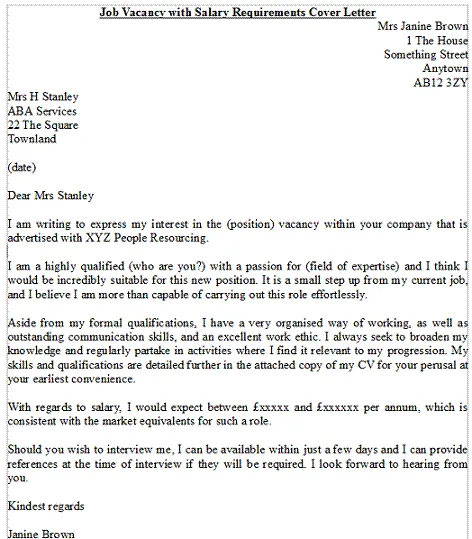
There are several appropriate places to mention your salary expectations in your cover letter. The most common and effective place is in the closing paragraph. However, you might also briefly address it in the body of your letter, especially if the job description explicitly requests it. Regardless of where you place it, the key is to do so professionally and confidently. The goal is to communicate your needs without appearing demanding. This balance is critical to ensuring your salary expectations reinforce your application positively. These approaches ensure that your financial requirements are addressed, allowing you to showcase your value and professionalism, which is crucial for making a positive impact.
The Opening Paragraph
While the opening paragraph primarily serves to introduce yourself and state the position you’re applying for, it’s generally not the most appropriate place to discuss salary. The opening should be focused on grabbing the reader’s attention, expressing your enthusiasm, and briefly highlighting your key qualifications. Reserve the salary discussion for later in the letter, after you’ve had the opportunity to showcase your value and demonstrate your suitability for the role. Addressing salary expectations early on can sometimes distract from your qualifications, which may give the impression that you’re more interested in the compensation than the job itself. This approach ensures a more positive initial impression.
The Body of Your Cover Letter
The body of your cover letter should expand on your qualifications, skills, and experience. Here, you can provide specific examples of your accomplishments and how they align with the job requirements. If the job description explicitly requests information on salary expectations, you can briefly mention them in this section. However, always focus on the value you bring to the company before addressing financial matters. This is your opportunity to make a strong case for why you’re the best candidate. Framing your skills within the context of their potential value to the company is crucial. It demonstrates that you understand the job’s demands, which allows you to position your salary requirements effectively. This strategic approach enhances the overall strength of your application.
The Closing Paragraph

The closing paragraph is often the most suitable place to address your salary expectations. This section gives you the opportunity to reiterate your interest in the position and provide your desired compensation. Start by re-emphasizing your enthusiasm and restating your alignment with the company’s values and the job’s requirements. Then, state your salary expectations, either as a specific figure or a range, based on your previous research. This strategic placement enables you to express your financial needs confidently without making it the primary focus of your cover letter. This approach allows you to maintain a positive tone while demonstrating your financial understanding and commitment to the opportunity, and often leads to a more favorable outcome.
Phrasing Your Salary Request
How you phrase your salary request can significantly impact your application. The goal is to express your expectations in a way that’s both clear and professional. Avoid sounding demanding or inflexible. Use language that is confident yet open to negotiation. Framing your salary expectations with careful attention to wording can highlight your professionalism and enhance your chances of getting hired.
Using Specific Numbers
If you have a clear understanding of your market value and are comfortable with it, you can state your desired salary using a specific number. This approach shows confidence and clarity. However, be sure to research carefully and consider the potential for negotiation. Some recruiters appreciate candidates who are direct. If you choose this method, phrase it positively, such as, ‘My salary expectations are in the range of $X, based on my experience and the responsibilities of this role.’ This allows for potential negotiation. Stating a specific number should always be done with confidence, which can influence the recruiter and help you make a positive impact.
Using a Salary Range

Providing a salary range is often a more flexible and strategic approach. It allows for negotiation and shows that you are open to discussing compensation. Research the average salary and then create a range that reflects the different levels of experience and the market trends. When stating your salary range, it’s important to present it confidently and explain that it is based on the job responsibilities. Using a range gives you room to negotiate. An example would be, ‘I am looking for a salary in the range of $X to $Y, depending on the specific responsibilities and the total compensation package.’ This approach can signal your openness to discussion while showcasing your understanding of the compensation process. It also positions you as a knowledgeable and pragmatic candidate.
Avoiding Common Mistakes
Several common mistakes can undermine your efforts when mentioning salary expectations in your cover letter. Being aware of these pitfalls will help you avoid them. It’s essential to approach this topic thoughtfully. This allows you to convey your needs effectively while remaining professional. By avoiding these common errors, you can ensure that your cover letter positively influences potential employers and improves your chances of success.
Being Too Vague
One mistake to avoid is being too vague. Statements like ‘Competitive salary’ or ‘Negotiable’ don’t provide enough information. They can frustrate recruiters who are looking for clarity. Such phrases don’t give the employer an idea of your value. It’s always better to offer a specific range or a realistic figure that reflects your market research. Being too vague shows a lack of preparation. It’s important to remember that expressing your expectations provides a chance to be on the same page with the employer. This can help avoid any future misunderstandings.
Demanding an Unrealistic Salary
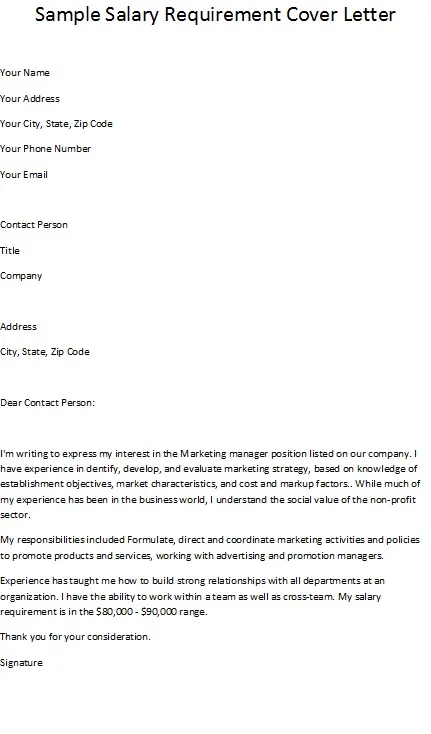
Another pitfall is demanding an unrealistic salary. Overestimating your market value may lead employers to dismiss your application. Before including your expectations, you should accurately assess your experience. High expectations could signal to the company that you are not aware of the current standards. Researching and understanding the range for your role will allow you to set realistic expectations. Always align your expectations with your qualifications, skills, and the specifics of the job. It’s important to demonstrate that your salary expectations are in sync with the job requirements.
Negotiating Your Salary
After you’ve discussed your salary expectations in your cover letter, there is a chance to negotiate. Preparing to negotiate shows you’re ready to advocate for your worth. This demonstrates your ability to evaluate your value and communicate your needs. Successful negotiation can significantly impact your overall compensation and benefits package.
Preparing for Salary Negotiation
Before you enter a salary negotiation, you should prepare. First, review the job description and understand the responsibilities and requirements. Analyze the job’s scope and how your skills align with the role. Having a clear understanding of the role’s demands is crucial. Also, reiterate your skills and accomplishments. Prepare examples of your achievements and quantify them with data or metrics. Also, practice your responses. Anticipate common questions and prepare concise, persuasive answers. Preparing in advance will make you feel more confident. This preparation is an essential step toward maximizing your overall benefits package.
Understanding Your Value
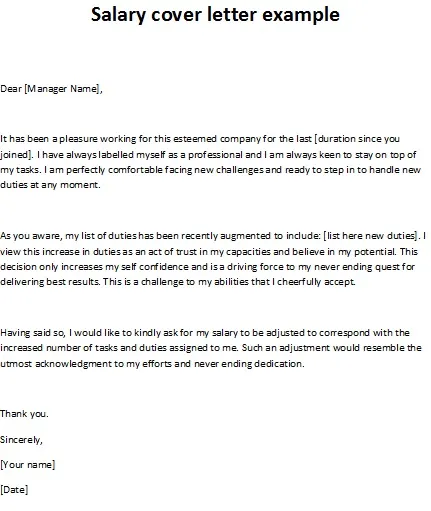
Before entering negotiations, you need to clearly understand your value. Self-reflection on your skills, experience, and the accomplishments you have made in the past is important. List your skills and accomplishments and evaluate their value in terms of the job requirements. Also, consider the specific value you bring to the company. Consider the benefits you will provide to the organization. This is critical for justifying your salary demands. The goal is to match your achievements to the job requirements, which will provide the best chance of a successful outcome. Having a thorough understanding of your value will make the negotiation process more effective.
Practicing Your Response
Practice makes perfect when it comes to salary negotiations. Rehearse your responses to common questions, such as ‘What are your salary expectations?’ or ‘What is the lowest salary you will accept?’ Preparing your answers beforehand helps you stay composed during the actual negotiation. Anticipate potential counteroffers. Practice how you will respond to different offers, especially if they are less than what you expected. Preparing responses to such scenarios will help you manage the negotiations with confidence. By preparing your answers, you can confidently express your needs and increase your chances of reaching a mutually beneficial agreement.
Conclusion
Addressing salary expectations in your cover letter is a strategic decision that can significantly impact your job search. By researching your market value, phrasing your expectations professionally, and avoiding common mistakes, you can make a strong impression on potential employers. This proactive approach shows that you understand the job market and are prepared to negotiate your worth, allowing you to take control of your career. When you approach this topic with confidence and preparation, you demonstrate your value and increase your chances of landing your dream job. By taking this strategic approach, you are more likely to secure a position that is rewarding and aligns with your financial goals.