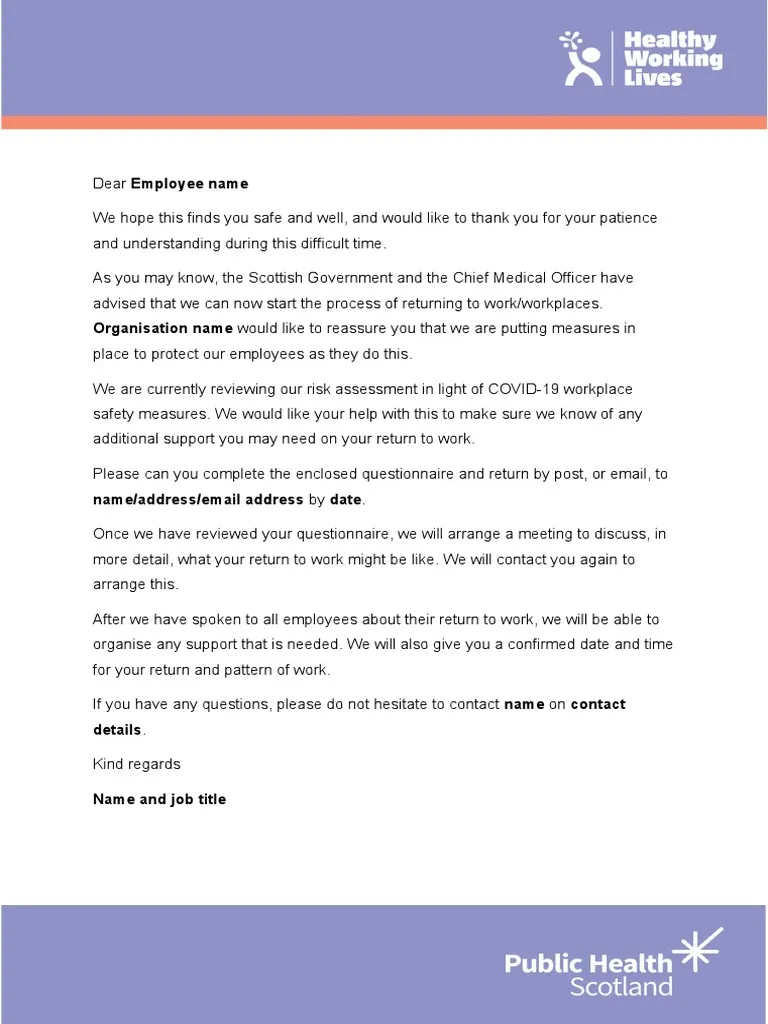
Crafting a Compelling Cover Letter
Returning to the workforce after retirement can feel daunting, but a well-crafted cover letter is your key to unlocking new opportunities. This document is your first impression, a chance to showcase your value and address any potential concerns employers might have about hiring a retiree. Focus on what you can bring to the table – a wealth of experience, a strong work ethic, and a fresh perspective. This guide provides the top 5 tips to help you write a cover letter that grabs attention and gets you noticed. Each section must address key elements to make it easier.
Highlighting Relevant Experience
Your experience is your greatest asset. Don’t shy away from it! Instead, strategically highlight the experience most relevant to the job you’re applying for. This is not just about listing job titles and dates; it’s about quantifying your achievements and demonstrating the impact you’ve made in previous roles. Use action verbs to describe your responsibilities and accomplishments. For example, instead of saying “Managed a team,” say “Led a team of 15 employees, resulting in a 10% increase in productivity.” This demonstrates your leadership skills and ability to deliver results. Ensure the relevant experience is front and center, as it is the most important aspect when looking for a new job.
Showcasing Transferable Skills

Even if your past roles don’t perfectly align with the job description, you likely possess a wealth of transferable skills. These are the skills that can be applied across different industries and job functions. Think about skills such as communication, problem-solving, leadership, time management, and adaptability. Identify the skills that are most relevant to the target job and provide specific examples of how you’ve demonstrated them in the past. Perhaps you have experience mentoring junior staff, managing budgets, or navigating complex projects. Frame these skills in a way that resonates with the employer’s needs and highlights your ability to contribute immediately.
Addressing the Employment Gap
A gap in employment is a common concern for retirees, but it doesn’t have to be a barrier. The key is to address it proactively and positively. Briefly acknowledge the time away from the workforce, but don’t dwell on it. Instead, use this opportunity to highlight what you’ve been doing during your retirement. Did you volunteer, travel, take courses, or pursue personal interests? Frame these activities in a way that demonstrates your continued engagement, commitment to learning, and ability to stay active and involved. Consider highlighting any skills acquired or maintained during this time, such as new software proficiencies or community involvement. This approach shifts the focus from what you haven’t been doing to what you have learned. This will eliminate questions the employer might have.
Emphasizing Enthusiasm and Adaptability
Employers want to hire people who are enthusiastic about the opportunity and adaptable to change. Your cover letter is the perfect place to express this. Clearly state your interest in the specific role and the company. Research the company’s mission, values, and recent achievements to demonstrate your genuine interest. Highlight your willingness to learn new skills, embrace new challenges, and adapt to the changing needs of the workplace. The modern workplace is constantly evolving, and employers value individuals who can thrive in dynamic environments. Show your enthusiasm and adaptability by mentioning how eager you are to contribute, collaborate, and remain flexible in your approach. This also means that you have no problem with the requirements.
Demonstrating a Strong Work Ethic

Your cover letter should clearly convey your strong work ethic. Retired individuals often bring a unique level of dedication and commitment to their work. Highlight your reliability, punctuality, and willingness to go the extra mile. Provide specific examples of how you’ve consistently demonstrated a strong work ethic in your previous roles. Did you consistently meet deadlines? Did you volunteer for extra projects? Did you mentor or support colleagues? These examples will provide concrete evidence of your work ethic. Emphasize your professionalism, integrity, and commitment to producing high-quality work. You can also address any misconceptions about retirees and their work habits head-on by emphasizing your dedication to the job.
Presenting a Clear Career Objective
Clearly state your career objective in your cover letter. This helps the employer understand your goals and motivations for returning to work. The objective should be concise and tailored to the specific job. It should clearly state what kind of role you are seeking and what you hope to achieve in that role. Avoid vague statements like “to find a challenging position.” Instead, be specific about your desired job responsibilities and the types of skills you hope to utilize. For example, you might state: “I am seeking a Project Management role where I can leverage my 20 years of experience in leading successful teams and delivering projects on time and within budget.” This allows the employer to immediately see your potential fit for the position.
Tailoring Your Letter to the Job
A generic cover letter will not impress an employer. You must tailor your cover letter to each specific job you apply for. This means carefully reviewing the job description and identifying the key skills and requirements. Then, adjust your letter to highlight the experiences and skills that are most relevant to that particular role. This shows that you are genuinely interested in the position and have taken the time to understand its requirements. Use keywords from the job description throughout your cover letter. This is an important factor for ATS (Applicant Tracking System). Tailoring your letter will make it much more likely to stand out from the crowd.
Researching the Company and Role

Before you start writing, thoroughly research the company and the specific role you’re applying for. Visit the company’s website, read about its mission and values, and understand its products or services. This research will enable you to tailor your cover letter to the company’s needs and demonstrate your genuine interest. When researching the role, analyze the job description carefully to identify the key responsibilities and required skills. Use this information to structure your letter and highlight your relevant experience. The more you know about the company and role, the better you can position yourself as the ideal candidate. This allows you to address the specific needs of the organization.
Using Keywords Effectively
Keywords are essential for getting your cover letter noticed by Applicant Tracking Systems (ATS) and hiring managers. Carefully review the job description and identify the key skills, qualifications, and requirements. Incorporate these keywords naturally throughout your cover letter. Use them in your summary, your experience descriptions, and your skills section. Avoid keyword stuffing, which is the practice of excessively repeating keywords, as it can make your letter difficult to read. Instead, focus on using the keywords in a way that demonstrates your understanding of the job and your ability to perform its duties. Keywords can be what sets you apart from the other applicants. Make sure to use them in a logical and readable way.
Showcasing Your Personality
While professionalism is important, don’t be afraid to let your personality shine through in your cover letter. This is your chance to connect with the hiring manager on a more personal level. Use a friendly and engaging tone, and let your enthusiasm for the role and company come through. Share a brief anecdote or highlight something that makes you unique. This could be a particular skill, hobby, or accomplishment. This will help the hiring manager remember you and give them a sense of who you are beyond your resume. Ensure that your personality aligns with the company’s culture and values. A well-written, personable cover letter can make a lasting impression and set you apart from other applicants.
Proofreading and Editing

Before submitting your cover letter, proofread and edit it meticulously. Errors in grammar, spelling, and punctuation can create a negative impression and damage your credibility. Read your letter aloud to catch any awkward phrasing or inconsistencies. Ask a friend, family member, or career advisor to review your letter and provide feedback. A fresh set of eyes can often spot mistakes that you might have missed. Proofreading is an essential step to ensure your cover letter is polished and professional. Take the time to review it multiple times, and don’t rely solely on spell check. Make the cover letter shine by making it free of errors.
Ensuring Clarity and Conciseness
Your cover letter should be clear, concise, and easy to read. Use short paragraphs and clear sentences. Avoid jargon or overly complex language. The hiring manager is busy and will likely be reviewing many cover letters. Make it easy for them to quickly grasp your key qualifications and understand why you are the right fit for the job. Be direct and to the point. Use action verbs to describe your achievements and highlight your key skills. If your cover letter is too long or wordy, the hiring manager might lose interest. Conciseness is key, especially when seeking to return to the workforce after retirement. This makes the job of the hiring manager easier.
Seeking Feedback for Improvement
Once you’ve written your cover letter, seek feedback from trusted sources. This could include friends, family members, career advisors, or mentors. Ask them to review your letter and provide constructive criticism. Do they find it clear, concise, and compelling? Does it accurately reflect your skills and experience? Are there any areas where you could improve your writing or presentation? Be open to feedback and willing to make revisions based on their suggestions. Reviewing and seeking feedback will help you refine your cover letter and make it as effective as possible. A polished cover letter can significantly increase your chances of getting an interview and landing the job. Ensure the job is what you are looking for.