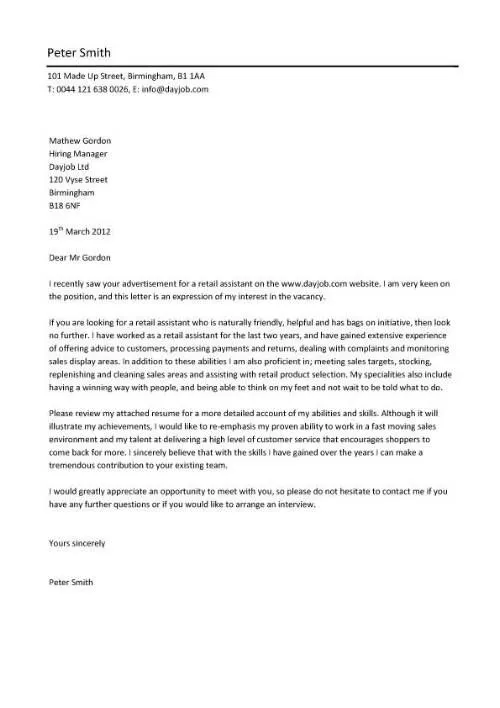
Why You Need a Retail Sales Assistant Cover Letter
A well-crafted retail sales assistant cover letter is your first opportunity to make a positive impression on a potential employer. In a competitive job market, a cover letter allows you to go beyond the basic information in your resume and showcase your personality, skills, and enthusiasm for the role. It provides a space to explain why you’re the ideal candidate, highlighting relevant experiences and abilities that align with the job’s requirements. The cover letter demonstrates your communication skills and attention to detail, both essential for a retail sales assistant. It is an opportunity to personalize your application, demonstrating genuine interest in the specific company and position. A strong cover letter can significantly increase your chances of securing an interview and ultimately landing the job. Remember, the cover letter isn’t just a formality; it’s a crucial marketing tool to sell your candidacy effectively.
Key Components of a Retail Sales Assistant Cover Letter
A compelling retail sales assistant cover letter includes several key components that work together to present you as a strong candidate. Understanding these elements ensures your letter is professional, engaging, and tailored to the specific job. These components guide the reader through your qualifications and express your interest effectively. Each section plays a crucial role in making a memorable first impression. Let’s break down the essential elements to crafting an impressive cover letter. Following these guidelines will give you the structure you need to present your best self.
Contact Information

Start your cover letter with your full name, address, phone number, and email address. Ensure this information is accurate and up-to-date. Include the date and the employer’s contact information, including the hiring manager’s name (if known), title, and company address. This section sets the foundation for a professional and organized presentation. By providing clear contact details, you make it easy for the employer to reach you. Correctness and accuracy are paramount; double-check all information to prevent any communication issues.
Greeting and Introduction
Begin your cover letter with a professional greeting, ideally addressing the hiring manager by name. If the name is unavailable, use a general greeting like ‘Dear Hiring Manager’. Your introduction should immediately grab the reader’s attention. Briefly state the position you are applying for and how you learned about the opportunity. Express your enthusiasm for the role and the company. The introduction is your chance to make a positive first impression and set the tone for the rest of your letter. Make it concise and engaging, highlighting your key qualifications. Show your immediate interest in the position.
Highlighting Relevant Skills
The skills section is the core of your cover letter, where you showcase your abilities and how they align with the job requirements. Emphasize the skills most relevant to the retail sales assistant role, using specific examples to demonstrate your proficiency. Focus on a balance of soft and hard skills. Soft skills, such as communication and teamwork, are crucial for interacting with customers and colleagues. Hard skills, such as experience with POS systems or inventory management, show practical abilities. By providing examples of how you’ve used these skills, you demonstrate your value to a potential employer. Always customize this section to the specific job description.
Customer Service Skills

Customer service is vital in retail. Highlight your ability to provide excellent customer support. Mention your experience handling customer inquiries, resolving issues, and creating a positive shopping experience. Use specific examples, such as times you went above and beyond to assist a customer. Show your ability to remain calm and helpful, even in challenging situations. Detail how you manage customer complaints or provide excellent service. Your focus should be on building customer loyalty and driving positive feedback.
Sales and Persuasion Skills
Showcase your sales abilities. Mention any experience in meeting sales targets, suggesting products, or closing sales. Describe your approach to persuading customers and building rapport. Highlight your knowledge of sales techniques and how you apply them. Provide examples of successful sales outcomes you’ve achieved. Emphasize your ability to identify customer needs and recommend appropriate products or services. Demonstrate that you can contribute to increased sales and profitability by using your skills. Showing an understanding of sales techniques and their application is key to making an impression.
Communication Skills
Effective communication is essential for retail sales. Emphasize your ability to communicate clearly and professionally, both verbally and in writing. Provide examples of how you interact with customers and colleagues, resolving conflicts, and conveying information effectively. Highlight any experience in active listening and adapting your communication style to different individuals. Discuss how you build trust and create positive relationships with customers. Excellent communication skills are a foundation for delivering outstanding customer service.
Showcasing Relevant Experience

Describe your relevant experience, including any previous retail roles. Use the STAR method (Situation, Task, Action, Result) to provide detailed examples of your accomplishments. If you have limited experience, highlight any transferable skills from other jobs or volunteer work. Tailor your examples to the specific requirements of the job. Detail the responsibilities you held and what you achieved in each role. Your experience section should demonstrate your practical skills and your contributions to previous organizations. Use quantifiable results whenever possible.
Previous Retail Roles
If you have previous experience in retail, detail your roles and responsibilities. Mention the companies you worked for, the duration of your employment, and your achievements. Highlight any promotions or awards you received. Describe your daily tasks, such as assisting customers, managing inventory, and operating the cash register. Provide specific examples of how you contributed to sales goals, improved customer satisfaction, or resolved issues. Use action verbs to describe your tasks. Always emphasize the skills you gained and the impact you made on the company.
Transferable Skills from Other Industries
If you’re new to retail, focus on transferable skills from other industries. Highlight abilities like customer service, communication, teamwork, and problem-solving. Describe how these skills relate to the retail environment. Provide specific examples of how you used these skills in previous roles. Detail how they can benefit the company you’re applying to. Show the ability to adapt to a new environment and apply your existing skills. This shows adaptability and potential.
Tailoring Your Cover Letter

Customizing your cover letter is crucial for making a strong impression. Research the company and tailor your letter to match the specific requirements of the job. Show that you understand the company’s values, mission, and products or services. Highlight skills and experiences that directly align with the job description. Avoid using a generic cover letter; personalize it to reflect your interest in the specific role and company. Personalization shows you’ve taken the time to learn about the company and position, demonstrating genuine interest and commitment.
Researching the Company
Before writing your cover letter, research the company thoroughly. Visit their website, social media pages, and any relevant news articles. Understand their products or services, target market, and company culture. Incorporate your findings into your cover letter, demonstrating your interest in the company. Identify the company’s values and mission and align your skills and experiences. Refer to specific initiatives or projects the company is involved in. By demonstrating your knowledge of the company, you prove you are serious about the position.
Matching Skills to Job Requirements
Carefully review the job description and identify the key requirements. Highlight the skills and experiences that match those requirements in your cover letter. Use keywords from the job description to ensure your application gets noticed. Provide examples of how you have used those skills in the past. Demonstrate that you understand the needs of the role. By directly addressing the job requirements, you show how you can contribute to the company’s success.
Formatting and Presentation

The formatting and presentation of your cover letter can significantly impact the employer’s perception of you. Use a professional font, such as Times New Roman or Arial, and ensure your letter is easy to read. Keep your letter concise, typically one page. Use clear headings and bullet points to break up the text. Ensure there are no grammatical errors or typos. Your cover letter is a reflection of your attention to detail. A well-formatted letter is more likely to capture the reader’s attention. Ensure a clean and organized layout.
Proofreading and Editing
Always proofread and edit your cover letter carefully before submitting it. Check for grammatical errors, spelling mistakes, and typos. Ensure the tone and language are professional and appropriate for the retail environment. Ask a friend or family member to review your letter for clarity and accuracy. Proofreading is vital to ensure your cover letter is polished and error-free. A letter with mistakes can create a negative impression. Double-check all facts and figures.
Closing the Cover Letter
Your closing should reiterate your enthusiasm and express your availability for an interview. Thank the employer for their time and consideration. State your willingness to provide further information or references. Keep the closing concise and professional. The closing section provides an opportunity to reinforce your interest in the position. Make sure you leave a positive and lasting impression.
Expressing Enthusiasm and Availability

Reiterate your enthusiasm for the role and the company. Express your availability for an interview and how you can be contacted. State your desire to discuss your qualifications further. Show your confidence in your ability to contribute. End with a positive statement indicating your readiness to move forward.
Formal Closing
Use a formal closing, such as ‘Sincerely’ or ‘Best regards,’ followed by your full name. This adds a professional touch to the end of your cover letter. Ensure the closing aligns with the overall tone and formality of the letter. The closing is the last thing the reader sees, so it should reinforce your professionalism and respect.
Review and Submission
Before submitting your cover letter, review it carefully. Ensure it is free of errors, tailored to the job, and formatted correctly. Make sure all contact information is correct. Double-check that the attachments are included. Submit your cover letter and resume in a professional format, such as PDF. Confirm you’ve addressed any specific requirements outlined in the job description. Reviewing and submitting a polished cover letter is crucial for a successful application. Doing so demonstrates your professionalism and attention to detail. Good luck!