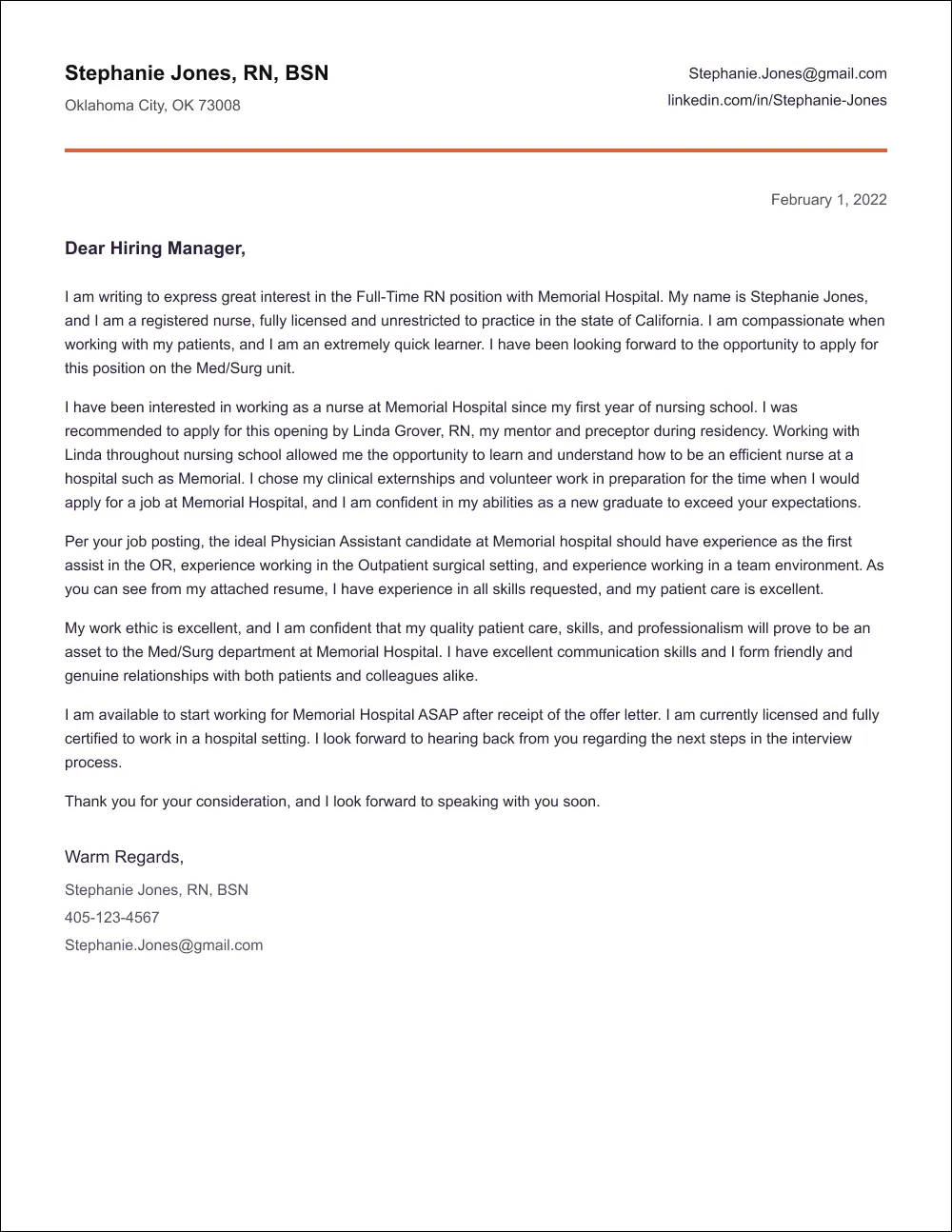
What is a Resume Cover Letter?
A resume cover letter is a one-page document that you submit with your resume when applying for a job. Its purpose is to introduce you to a potential employer and elaborate on the information in your resume. Unlike a resume, which provides a factual overview of your skills and experience, a cover letter gives you the opportunity to explain why you are the ideal candidate for the position. It allows you to showcase your personality, express your enthusiasm for the role, and highlight specific qualifications that make you a great fit for the company. Essentially, a cover letter serves as your personal marketing tool, helping you to stand out from the crowd and make a positive first impression.
Why Are Cover Letters Important?
In today’s competitive job market, a cover letter can make a significant difference in whether or not you get an interview. While some job seekers might question their necessity, cover letters offer several advantages that can significantly boost your chances of landing your dream job. They provide a valuable opportunity to make a strong first impression and demonstrate your genuine interest in the position and the company. They allow you to personalize your application and tailor it to the specific requirements of the job, which is something a generic resume cannot always achieve. A well-crafted cover letter clearly articulates why you’re a great fit, increasing the likelihood of your application being noticed by the hiring manager.
Highlighting Your Skills and Experience

One of the key purposes of a cover letter is to highlight your relevant skills and experience. While your resume lists your qualifications, the cover letter gives you the space to elaborate on them, providing specific examples of how you’ve utilized those skills in the past. This is where you can truly shine, demonstrating not just what you’ve done, but also how well you’ve done it. By providing concrete examples and quantifiable achievements, you can show employers that you possess the skills and experience they are looking for. This detail can set you apart from candidates who only submit their resumes, giving the hiring manager a clearer picture of your capabilities and potential contributions to the company.
Tailoring Your Letter to the Job
A well-written cover letter is always tailored to the specific job and company you are applying to. This means more than just changing the company name; it involves carefully reviewing the job description and identifying the key skills, experiences, and qualifications the employer is seeking. Then, you can align your cover letter to demonstrate how your own skills and experiences match these requirements. This demonstrates to the hiring manager that you have taken the time to understand the role and that you are genuinely interested in the position. It shows you’re not just sending out generic applications, but that you’re specifically targeting this opportunity, increasing your chances of being selected for an interview.
Demonstrating Your Personality and Enthusiasm
A resume is often a dry recitation of facts, but a cover letter gives you the chance to inject some personality. It allows you to express your enthusiasm for the role and the company. Use a professional, yet personable tone to showcase your passion for the industry and your genuine interest in contributing to the organization’s success. By expressing your enthusiasm and personality, you make yourself more memorable to the hiring manager. This can make a significant impact, particularly in roles where soft skills and cultural fit are essential. It helps them understand not just what you can do, but also who you are and how you might fit within their company culture.
How Cover Letters Enhance Your Resume

Cover letters provide a way to go beyond the confines of a resume, enhancing and supporting your application. They provide the context that a resume often lacks, allowing you to tell a more complete story about your professional journey. They can clarify any gaps in your employment history, explain career changes, or provide additional details that can help you to secure an interview. A cover letter is also where you can directly address the specific needs of the employer, ensuring that your application resonates with the hiring manager. In short, cover letters add depth and clarity to your application, helping your resume shine even brighter.
Providing Context and Narrative
Resumes are often summaries of facts, and cover letters provide the narrative that ties those facts together. Use your cover letter to tell a story about your career, your motivations, and your goals. Explain how your past experiences have prepared you for the job you are applying for, and how this opportunity aligns with your career ambitions. This narrative approach helps the hiring manager understand the ‘why’ behind your application. By providing context, you give a clearer and more compelling picture of who you are as a professional and why you are a good fit for the role. A well-written narrative also makes your application more memorable, increasing your chances of being selected for an interview.
Addressing Specific Requirements
A cover letter allows you to directly address specific requirements listed in the job description. This is your chance to show the hiring manager that you’ve read the job posting carefully and understand what the company is looking for. By explicitly referencing the required skills, experiences, or qualifications, you can demonstrate how you meet those requirements and why you would be a valuable asset. This targeted approach shows that you are not just applying for any job, but specifically for this job. This level of personalization can significantly increase your chances of getting a positive response, because you demonstrate you understand the role and can fulfill the company’s needs.
Making a Positive First Impression

Your cover letter is often the first thing a hiring manager reads. It sets the tone for your entire application, shaping the first impression you make. A well-written cover letter, free of errors and crafted with care, demonstrates professionalism, attention to detail, and a genuine interest in the opportunity. Conversely, a poorly written cover letter can create a negative impression and lead to immediate rejection. Taking the time to write a strong, personalized cover letter increases your chances of making a positive impression, setting the stage for your resume to be reviewed favorably, and increasing your chances of getting an interview and, ultimately, the job.
Key Components of an Effective Cover Letter
To create a compelling cover letter, you should include key elements. These components work together to create a cohesive and persuasive document. Each component plays a specific role in presenting you as a well-qualified and enthusiastic candidate. A clear and concise structure, with each part contributing to the overall message, is key to attracting attention and making a strong impression.
Header and Contact Information
Your cover letter should start with a professional header, including your full name, contact information (phone number and email address), and the date. You should also include the hiring manager’s name (if you know it) and the company’s address. This standard information is essential for easy communication and demonstrates your attention to detail. Double-check the accuracy of your contact information to ensure the employer can easily reach you if they want to schedule an interview. Following this format demonstrates professionalism and provides the necessary information for the hiring manager to contact you.
Professional Greeting

Start your cover letter with a professional greeting. If you know the hiring manager’s name, use it (e.g., “Dear Mr. Smith”). If you don’t know the name, use a general greeting, such as “Dear Hiring Manager” or “Dear [Company Name] Hiring Team.” Avoid generic greetings like “To Whom It May Concern.” Using the correct greeting demonstrates your attention to detail and respect for the hiring process. It sets a positive tone and encourages the hiring manager to read your letter with interest.
Body Paragraphs Highlighting Achievements
The body paragraphs are where you showcase your skills and experience. Focus on highlighting your key achievements and using specific examples to demonstrate your capabilities. Start with an engaging opening that captures the reader’s attention and clearly states the position you are applying for. Then, provide a brief overview of your qualifications. Use the next paragraph to elaborate on your most relevant achievements. Use action verbs and quantify your accomplishments whenever possible (e.g., “Increased sales by 15%”, “Managed a team of 10 people”). These specifics demonstrate the tangible value you can bring to the company. This detailed approach showcases your ability to deliver results and contribute to the organization’s success.
Body Paragraphs Matching Skills to Job Requirements
Carefully review the job description and align your skills and experience with the requirements. Highlight the skills, experiences, and qualifications that the employer is seeking. Provide specific examples of how you have used these skills in the past and what results you achieved. Demonstrate your understanding of the role and show how your unique qualifications make you the ideal candidate. Tailoring your application in this way indicates you pay attention to detail. It also makes it clear to the hiring manager that you possess the skills and experience necessary to succeed in the position. By showing a clear match between your skills and the job needs, you make a strong case for an interview.
Body Paragraphs Expressing Enthusiasm

Express your enthusiasm for the role and the company. Explain why you are interested in this specific opportunity and what excites you about the company’s mission, values, or products. Demonstrate your genuine interest in the role and the company. Expressing enthusiasm is critical for making a memorable and positive impression on the hiring manager. Share any insights on why you are interested in this role. Personalize the letter to make your genuine excitement and enthusiasm resonate, which helps you stand out from other candidates. Highlight how you would contribute to the company’s culture and achieve its goals.
Concluding Your Cover Letter
End your cover letter with a strong closing paragraph. Reiterate your interest in the position and the company and express your enthusiasm for an interview. Thank the hiring manager for their time and consideration. Use a professional closing, such as “Sincerely” or “Best regards,” followed by your full name. Make sure the concluding paragraph summarizes your key qualifications and reinforces your suitability for the role. This final touch leaves the hiring manager with a positive impression, encouraging them to reach out and offer you an interview.
Common Mistakes to Avoid
Avoiding common mistakes is essential for crafting an effective cover letter. Several missteps can damage your chances of securing an interview. Being aware of these pitfalls allows you to create a more polished and impactful application. These tips can help you avoid common cover letter mistakes and create an application that effectively highlights your achievements and qualifications, leading to a better chance of getting that all important interview.
Generic Letters

One of the biggest mistakes is sending a generic cover letter that isn’t tailored to the specific job or company. A generic cover letter does not demonstrate your genuine interest in the opportunity and implies that you have not taken the time to research the role or the organization. This lack of personalization can be a significant turnoff for hiring managers, who are looking for candidates who are genuinely interested in the specific position. Always customize your cover letter to match the requirements of the job description. Mentioning the company and some unique aspects of the role will also show you’re serious and have taken the time to understand the opportunity.
Typos and Grammatical Errors
Typos and grammatical errors can undermine your credibility and make you appear unprofessional. Proofread your cover letter multiple times, and ask a friend or family member to review it as well. Ensure that your language is clear and concise. Errors can give the impression that you lack attention to detail, which can be a major red flag for potential employers. Carefully checking your application for errors is a simple step that can significantly improve your chances of getting an interview. Errors not only distract from your qualifications but also indicate a lack of attention to detail, which is essential in most professional environments.
Ignoring the Job Description
Failing to address the requirements of the job description is a missed opportunity. Your cover letter should specifically highlight the skills, experiences, and qualifications mentioned in the job posting. Customize your cover letter to reflect the specific requirements of each job. By addressing the job description, you demonstrate your understanding of the role and your ability to fulfill its responsibilities. When you demonstrate a clear match between your skills and the job requirements, you will greatly increase your chances of getting an interview.
The Future of Cover Letters
Cover letters continue to evolve with changing technology and workplace dynamics. Staying updated on best practices and industry trends can give you an edge in your job search. Understanding how cover letters are used in modern recruitment practices helps you to enhance your chances of success in landing your dream job. Being aware of these shifts enables you to effectively communicate your skills and experiences.
Cover Letters in the Digital Age
In the digital age, cover letters are often submitted online, either as attachments or within the body of an email. Ensure that your cover letter is easy to read on a screen and in a variety of formats (PDF is often preferred). Adapt your style and content to the expectations of online applications. Digital cover letters should be clear, concise, and well-formatted. Use a professional font and avoid overly complex formatting that might not display correctly on all devices. Focus on readability and ensure that your message is easily accessible and engaging. Properly formatted, concise digital cover letters will capture the attention of the hiring manager.
Adapting Your Cover Letter for Different Industries
The style and content of a cover letter may vary depending on the industry. Research industry-specific best practices and adapt your approach accordingly. For example, a cover letter for a creative role might be more visually oriented, while a cover letter for a technical role might emphasize specific skills and experiences. Tailoring your cover letter to the specific industry demonstrates that you understand the nuances of the field and that you are serious about the opportunity. Adapt your cover letter’s tone, style, and content to resonate with industry-specific expectations. Research the industry’s standards and make adjustments as necessary.