Why Cover Letters Still Matter
In an era where digital applications are the norm, some job seekers question the relevance of cover letters. However, a well-crafted cover letter remains a critical tool in your job-hunting arsenal. It provides an opportunity to introduce yourself, demonstrate your enthusiasm, and highlight the skills and experiences that make you the ideal candidate. A resume, while important, offers a snapshot of your professional history. The cover letter, on the other hand, allows you to tell your story, connecting your qualifications to the specific requirements of the role and the needs of the company. It’s your chance to make a lasting first impression and distinguish yourself from other applicants.
Understanding the Basics of Cover Letters
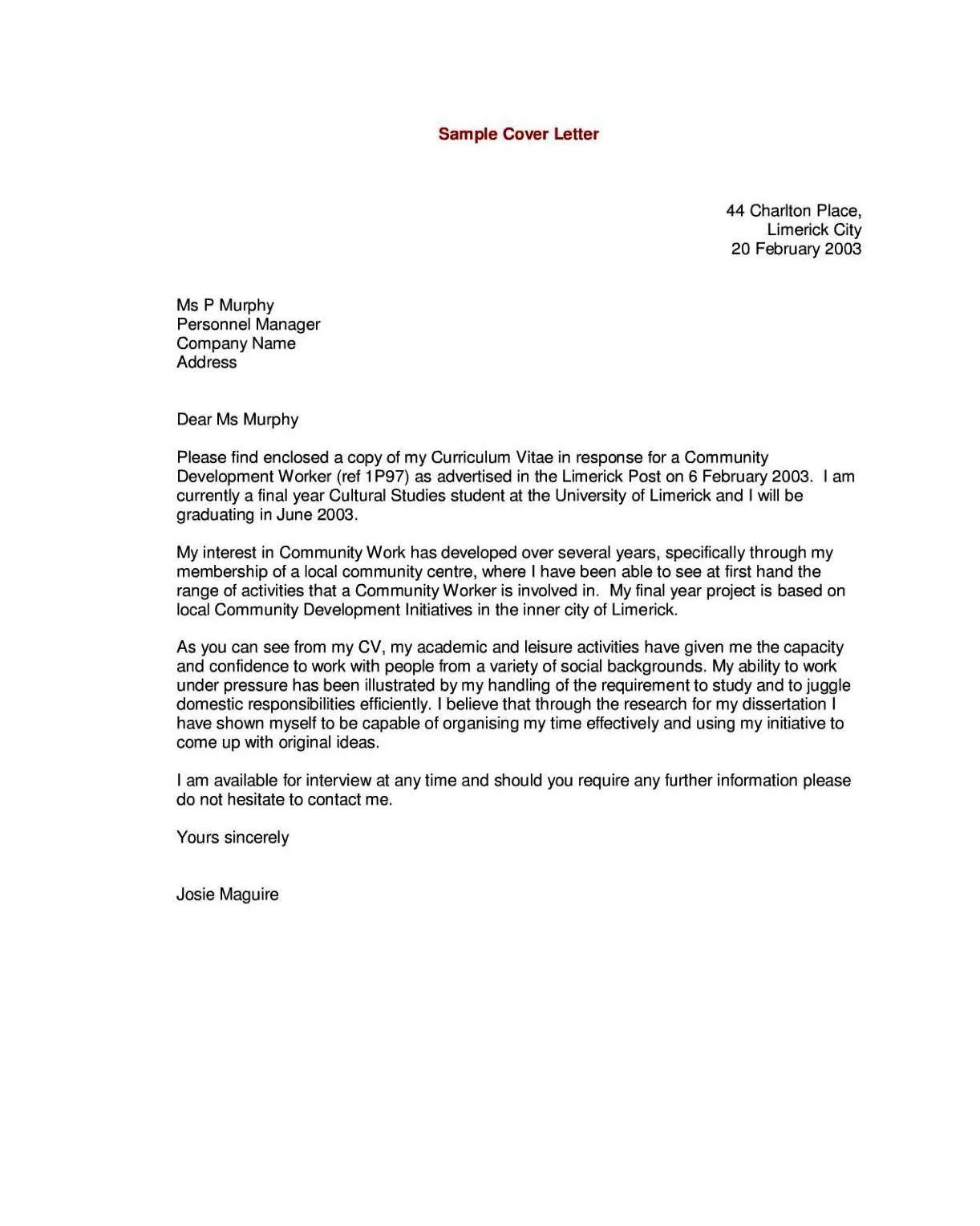
Before diving into specific tips, it’s crucial to grasp the fundamental components of a cover letter. Begin with a professional header that includes your contact information, followed by the date and the recipient’s information. The body should be concise, typically spanning three to four paragraphs. The opening paragraph should immediately grab the reader’s attention and state your interest in the position. The middle paragraphs should showcase your relevant skills and experiences, providing specific examples to back up your claims. Conclude with a strong closing paragraph that reiterates your enthusiasm and includes a call to action, such as expressing your availability for an interview.
Highlighting Your Key Achievements

Rather than simply listing your responsibilities, focus on showcasing your accomplishments. What did you achieve in your previous roles? Use quantifiable results whenever possible. Did you increase sales, improve efficiency, or reduce costs? Provide specific examples of how you made a positive impact. For instance, instead of saying “Managed social media accounts,” you could write “Increased social media engagement by 30% in six months by implementing a new content strategy.”
Quantifying Your Accomplishments
Numbers speak volumes. Whenever possible, back up your claims with data. This adds credibility and demonstrates the tangible value you brought to previous employers. Use metrics like percentages, dollar amounts, or time saved. For example, you might say, “Streamlined customer service processes, resulting in a 15% reduction in customer complaint resolution time.” This approach clearly illustrates the positive outcome of your actions and reinforces your abilities.
Formatting Your Cover Letter
The format of your cover letter is as important as its content. Use a professional font like Arial or Times New Roman with a font size of 11 or 12. Maintain a clean layout with adequate white space to make it easy to read. Use clear headings and bullet points to break up large blocks of text and highlight key information. Avoid using jargon or overly complex language. Keep it concise, focused, and easy to scan. A well-formatted cover letter shows that you pay attention to detail and respect the hiring manager’s time.
Tailoring Your Cover Letter

Generic cover letters rarely impress. Customize each letter to match the specific job and the company. This demonstrates that you’ve taken the time to research the opportunity and understand what the employer is looking for. Review the job description carefully and identify the key skills and qualifications they are seeking. Then, highlight the relevant experiences and achievements from your background that align with these requirements. This personalized approach significantly increases your chances of landing an interview.
Researching the Company
Before writing your cover letter, research the company thoroughly. Visit their website, read their “About Us” section, and check their social media presence. This will give you a better understanding of their mission, values, and culture. Use this information to tailor your letter and demonstrate your interest in the company. Mention specific projects, initiatives, or values that resonate with you. Showing that you’ve done your homework sets you apart from other candidates and demonstrates genuine enthusiasm.
Addressing the Hiring Manager
Whenever possible, address your cover letter to a specific person rather than using a generic greeting like “To Whom It May Concern.” Research the hiring manager’s name and title. This shows initiative and attention to detail. If you can’t find the hiring manager’s name, try contacting the company’s HR department or searching on LinkedIn. Addressing the letter to a specific person makes it feel more personal and increases the likelihood that it will be read carefully. If you are unable to find a specific name, a more formal greeting, such as “Dear Hiring Manager,” is acceptable.
Showcasing Your Personality

While your resume is a list of facts, your cover letter is your chance to let your personality shine. Use a professional but authentic tone. Let your enthusiasm for the role and the company come through. Share a brief anecdote or story that illustrates your skills and experiences. Injecting a bit of personality makes your letter more memorable and helps the hiring manager get a sense of who you are as a person. However, always maintain a professional tone and avoid being overly casual.
Emphasizing Soft Skills
Technical skills are important, but don’t overlook the value of soft skills. These are the interpersonal and communication skills that make you a valuable team player. Highlight skills such as communication, teamwork, problem-solving, and leadership. Provide examples of how you’ve demonstrated these skills in previous roles. For example, you might write, “Successfully led a cross-functional team to complete a project ahead of schedule, demonstrating strong communication and leadership skills.”
Demonstrating Enthusiasm
Your cover letter is the perfect place to express your genuine enthusiasm for the position and the company. Explain why you’re excited about the opportunity and what you hope to achieve. This demonstrates that you’re not just looking for a job, but that you’re genuinely interested in contributing to the organization’s success. Mention specific aspects of the role or the company that appeal to you. Show that you’ve done your research and understand what makes the company special.
Proofreading for Perfection

Typos, grammatical errors, and inconsistencies can ruin an otherwise excellent cover letter. Proofread your letter carefully before submitting it. Read it aloud to catch any errors you might have missed. Ask a friend or family member to review it as well. A fresh pair of eyes can often spot mistakes that you’ve overlooked. A polished, error-free cover letter demonstrates professionalism and attention to detail, which are essential qualities for any job.
Checking Grammar and Spelling
Use a grammar and spell checker, but don’t rely on it entirely. These tools can miss errors, so it’s important to proofread manually as well. Pay close attention to punctuation, sentence structure, and word choice. Ensure that your language is clear, concise, and professional. Avoid using slang or informal language. The goal is to present yourself as a skilled communicator and a detail-oriented professional.
Reviewing the Overall Flow
Ensure that your cover letter has a logical flow. Each paragraph should build on the previous one, creating a cohesive narrative. The opening paragraph should grab the reader’s attention and state your purpose. The middle paragraphs should provide compelling evidence of your qualifications. The closing paragraph should summarize your key strengths and express your enthusiasm for the role. Make sure that your letter is easy to read and that the information is presented in a clear and organized manner.
In conclusion, crafting a compelling cover letter is essential for any job seeker. By following these seven secrets, you can create a cover letter that captures the attention of hiring managers, showcases your qualifications, and sets you apart from the competition. Remember to tailor your letter to each specific job, highlight your achievements, and express your enthusiasm. With a well-crafted cover letter, you’ll significantly increase your chances of landing your dream job.