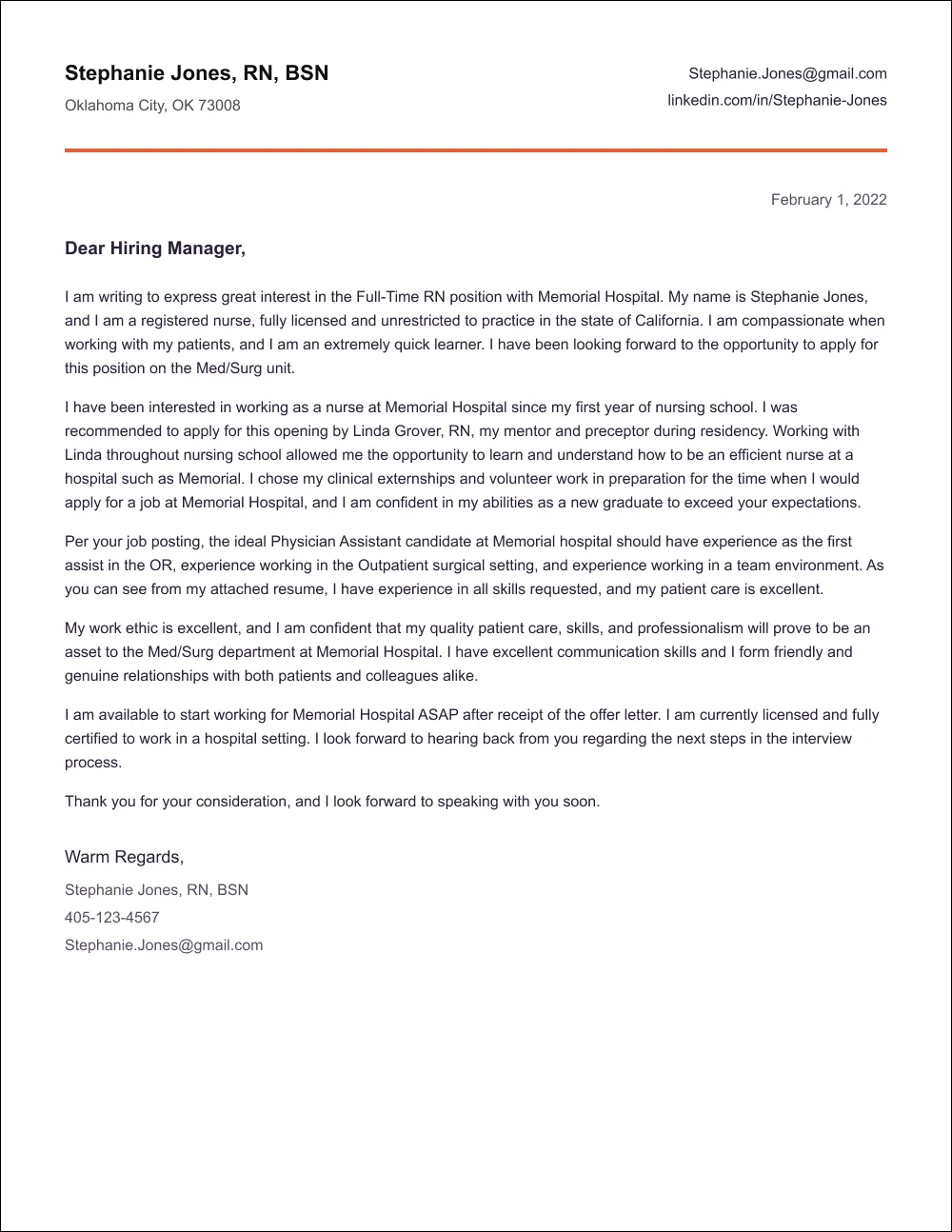
What is a Resume and Cover Letter
In the competitive landscape of job hunting, a resume and cover letter are your primary tools for making a strong first impression. They serve as introductions to potential employers, offering a concise overview of your skills, experience, and qualifications. Understanding the purpose of each document is crucial for crafting effective applications that capture attention and increase your chances of securing an interview. A well-crafted resume and cover letter not only highlight your professional background but also demonstrate your communication skills and attention to detail, setting the stage for a successful job search. The importance of these documents cannot be overstated, as they are often the first interaction an employer has with a candidate, influencing their initial perception and decision-making process.
Purpose of a Resume
The primary purpose of a resume is to provide a brief, yet comprehensive, summary of your professional background. It serves as a snapshot of your career, highlighting your relevant skills, experience, education, and achievements. A well-structured resume is designed to quickly convey your qualifications to a potential employer, making it easier for them to assess whether you meet the essential requirements of the job. Resumes are essential for presenting a clear and organized overview of your professional journey, allowing recruiters and hiring managers to efficiently evaluate your suitability for a specific role and also showcasing your career progression and professional growth.
Showcasing Skills and Experience

Your resume’s effectiveness relies on its ability to showcase your skills and experience. This includes both hard skills, such as technical proficiencies and software knowledge, and soft skills, like communication, teamwork, and problem-solving abilities. It’s crucial to tailor your resume to the specific job you’re applying for, emphasizing the skills and experiences that align with the job description. Be specific about your responsibilities in previous roles, and provide tangible examples that illustrate how you’ve utilized these skills to achieve positive outcomes. The goal is to demonstrate to potential employers that you possess the necessary capabilities to excel in the role and add value to their organization. Including a skills section is also advised, where you can list the skills that are crucial and related to the job.
Highlighting Achievements and Quantifiable Results
Beyond listing responsibilities, a powerful resume highlights your achievements. Instead of merely stating what you did, quantify your accomplishments whenever possible. Use numbers and data to demonstrate your impact in previous roles. For example, instead of saying “Managed social media accounts,” state “Increased social media engagement by 30% in six months.” Quantifiable results provide concrete evidence of your capabilities and make your resume more compelling. They offer potential employers a clear understanding of the value you can bring to their organization. By focusing on achievements, you transform your resume from a list of duties into a narrative of your successes, showcasing your ability to drive results.
Tailoring to the Job Description
A generic resume is unlikely to capture the attention of hiring managers. Instead, customize your resume for each job application. Carefully review the job description and identify the key skills, experiences, and qualifications the employer is seeking. Then, tailor your resume to highlight those aspects of your background. This may involve rephrasing your experience, emphasizing specific achievements, or even reordering sections to place the most relevant information at the top. By tailoring your resume, you demonstrate that you have carefully considered the job requirements and are specifically qualified for the role. This approach significantly increases your chances of getting noticed and advancing to the next stage of the hiring process.
Purpose of a Cover Letter

A cover letter complements your resume by providing a personalized introduction and an opportunity to elaborate on your qualifications. Unlike a resume, which is a concise summary, a cover letter allows you to tell a more detailed story about your career aspirations and how your skills and experience align with the job and the company. It provides an opportunity to express your interest in the specific role and explain why you are the ideal candidate. A well-written cover letter demonstrates your communication skills, enthusiasm, and understanding of the employer’s needs, which can significantly enhance your application.
Introducing Yourself and Expressing Interest
The primary purpose of a cover letter is to introduce yourself to the hiring manager and express your genuine interest in the position and the company. Begin by clearly stating the position you are applying for and where you found the job posting. Then, briefly explain why you are excited about the opportunity and what initially attracted you to the company. This initial impression sets the tone for the rest of your letter, demonstrating your enthusiasm and showing that you have done your research. Showing that you understand the company’s mission, values, or recent projects can make a strong positive impact and show your engagement with the role.
Elaborating on Qualifications and Skills
While your resume provides a summary of your qualifications, your cover letter allows you to elaborate on those qualifications and highlight the skills most relevant to the job. Select a few key skills or experiences from your resume and explain how they align with the job requirements. Provide specific examples of how you have utilized those skills in the past and the positive outcomes you achieved. This is an opportunity to go beyond bullet points and offer a more detailed narrative of your capabilities, demonstrating how you can contribute to the company’s success. Make sure to focus on the most important skills and experiences that match the job description.
Demonstrating Personality and Enthusiasm

A cover letter is your chance to showcase your personality and enthusiasm for the role and the company. Use a professional, yet personable tone to express your passion for the field and your desire to contribute. Share what motivates you and what you hope to achieve in the role. Show that you have researched the company, understand its values, and are excited about the opportunity to join the team. Your personality can set you apart from other candidates and make a lasting impression on the hiring manager. The goal is to make the reader excited about the prospect of speaking with you further.
Resume vs Cover Letter
The resume and cover letter, though designed for the same purpose, serve different roles in the job application process. A resume acts as a brief outline of your skills and past job roles, designed for a quick overview of your experience. It has a formal, structured style that highlights essential details such as your job history, education, skills, and achievements. The main objective of a resume is to quickly get the reader up to speed about your qualifications. A cover letter, on the other hand, is a more detailed document where you can express your enthusiasm, share your story, and explain why you are the best fit for the specific role. Its format is more flexible, allowing for a personalized approach to convey your communication skills and make a memorable impression. You can highlight the skills you have, share how they match the job, and demonstrate how you fit in with the organization’s culture.
Differences in Content and Structure
The differences in content and structure between a resume and a cover letter stem from their different purposes. Resumes focus on brevity and clarity, presenting information in a concise and organized format. Sections typically include contact information, a summary or objective statement, work experience, education, skills, and sometimes a section for achievements or projects. Each section is designed to provide key information at a glance. Cover letters, however, allow for a more narrative approach. They start with a formal greeting and an introduction expressing your interest, followed by paragraphs that elaborate on your skills, experiences, and how they relate to the specific job. The cover letter concludes with a call to action, inviting the employer to review your resume and consider you for an interview. The format of a cover letter is less rigid than the resume, giving you room to explain your career goals and your unique value.
How They Work Together

A resume and cover letter should work in tandem to present a complete picture of you as a candidate. The resume provides the factual details, while the cover letter provides context and personality. The cover letter should reference specific skills, experiences, or achievements listed on your resume, demonstrating how your qualifications align with the job requirements. This coordination is crucial; it provides validation for the information contained in your resume. The combination of a strong resume and a well-written cover letter improves your application by adding depth and ensuring that the employer understands your suitability for the role. They complement each other; one is not sufficient to succeed, you need to use both.
Writing an Effective Resume and Cover Letter
Crafting effective resume and cover letters requires careful attention to detail and a strategic approach. These documents are your opportunity to make a strong first impression and persuade a potential employer to consider you for an interview. It’s important to tailor each document to the specific job requirements, highlighting the skills and experiences that align with the role. The structure of the resume and cover letter has to be precise, which can make it easier for recruiters to understand your skills and achievements. Taking time to refine your writing skills and understand the expectations of potential employers will have a significant impact on your job-search success.
Key Components of a Strong Resume
A strong resume is well-organized and easy to read. Begin with your contact information, followed by a concise summary or objective statement that highlights your career goals. Then, list your work experience, education, and skills. Be sure to use action verbs to describe your responsibilities and accomplishments. Include a dedicated skills section where you list your hard and soft skills, and tailor this section to match the job requirements. Proofread carefully to eliminate any errors in grammar or spelling. By following these guidelines, you can create a resume that is clear, concise, and highlights your most relevant qualifications.
Formatting and Design Tips

The formatting and design of your resume play a crucial role in its readability and visual appeal. Use a clean, professional font such as Arial, Calibri, or Times New Roman, with a font size between 10 and 12 points. Maintain consistent formatting throughout the document, with clear headings, bullet points, and ample white space. Avoid using overly complex designs or graphics that could distract from the content. Ensure that your resume is easy to scan, with the most important information presented at the top. Consider using a resume template to ensure a consistent layout and professional appearance. Save your resume as a PDF to preserve the formatting.
Keywords and Action Verbs
To increase the visibility of your resume, incorporate relevant keywords from the job description. Keywords help your resume pass through Applicant Tracking Systems (ATS) and get noticed by recruiters. Carefully review the job posting and identify the key skills, technologies, and qualifications the employer is seeking. Then, strategically include these keywords throughout your resume. Use action verbs to describe your responsibilities and achievements. Action verbs such as ‘managed,’ ‘developed,’ ‘implemented,’ and ‘achieved’ make your resume more dynamic and engaging. They also help to showcase your accomplishments and quantify your impact in previous roles. By using keywords and action verbs, you make your resume more effective in capturing the attention of recruiters.
Essential Elements of a Compelling Cover Letter
A compelling cover letter is personalized, enthusiastic, and tailored to the specific job and company. Begin by addressing the hiring manager by name, if possible. In the introduction, clearly state the position you are applying for and how you learned about the opportunity. In the body of the letter, elaborate on your qualifications, highlighting your relevant skills and experiences. Explain how you align with the job requirements and what value you can bring to the company. Conclude by expressing your enthusiasm and including a call to action, such as requesting an interview. Your cover letter should be polished and free of errors, demonstrating your attention to detail and communication skills.
Personalizing Your Letter

Personalizing your cover letter is crucial for making a positive impression. Avoid using a generic template and tailor your letter to each job application. Research the company and the specific role to understand its requirements. Address the hiring manager by name, if possible, and show that you have taken the time to learn about their company and the position. Customize your cover letter by highlighting the skills and experiences most relevant to the job. Tailor your language and tone to match the company’s culture. This shows you are genuinely interested in the opportunity and have invested the effort to prepare a personalized application.
Proofreading and Editing
Proofreading and editing are essential steps in ensuring the effectiveness of your resume and cover letter. Errors in grammar, spelling, and punctuation can undermine your credibility and create a negative impression. Thoroughly review your documents for any errors, and consider asking a friend, family member, or career counselor to review them as well. Pay close attention to the formatting, ensuring that your documents are clear, well-organized, and easy to read. Correct any inconsistencies in font sizes, spacing, or bullet points. Taking the time to proofread and edit your resume and cover letter shows your attention to detail and commitment to professionalism, which can greatly improve your chances of securing an interview.
Conclusion
In conclusion, the resume and cover letter are indispensable tools in your job search, each serving a unique but equally vital purpose. The resume provides a concise overview of your skills and experience, while the cover letter allows you to elaborate on your qualifications and express your enthusiasm for the role. Understanding the roles and differences of both documents allows you to create applications that are more targeted and impactful. By tailoring your resume and cover letter to each job, highlighting your accomplishments, and showcasing your personality, you significantly boost your chances of capturing the attention of hiring managers and securing an interview. A well-crafted resume and cover letter demonstrates your professionalism, attention to detail, and communication skills, all essential components in the job application process. Remember to customize each document, emphasize relevant skills, and proofread carefully to create a lasting impression.