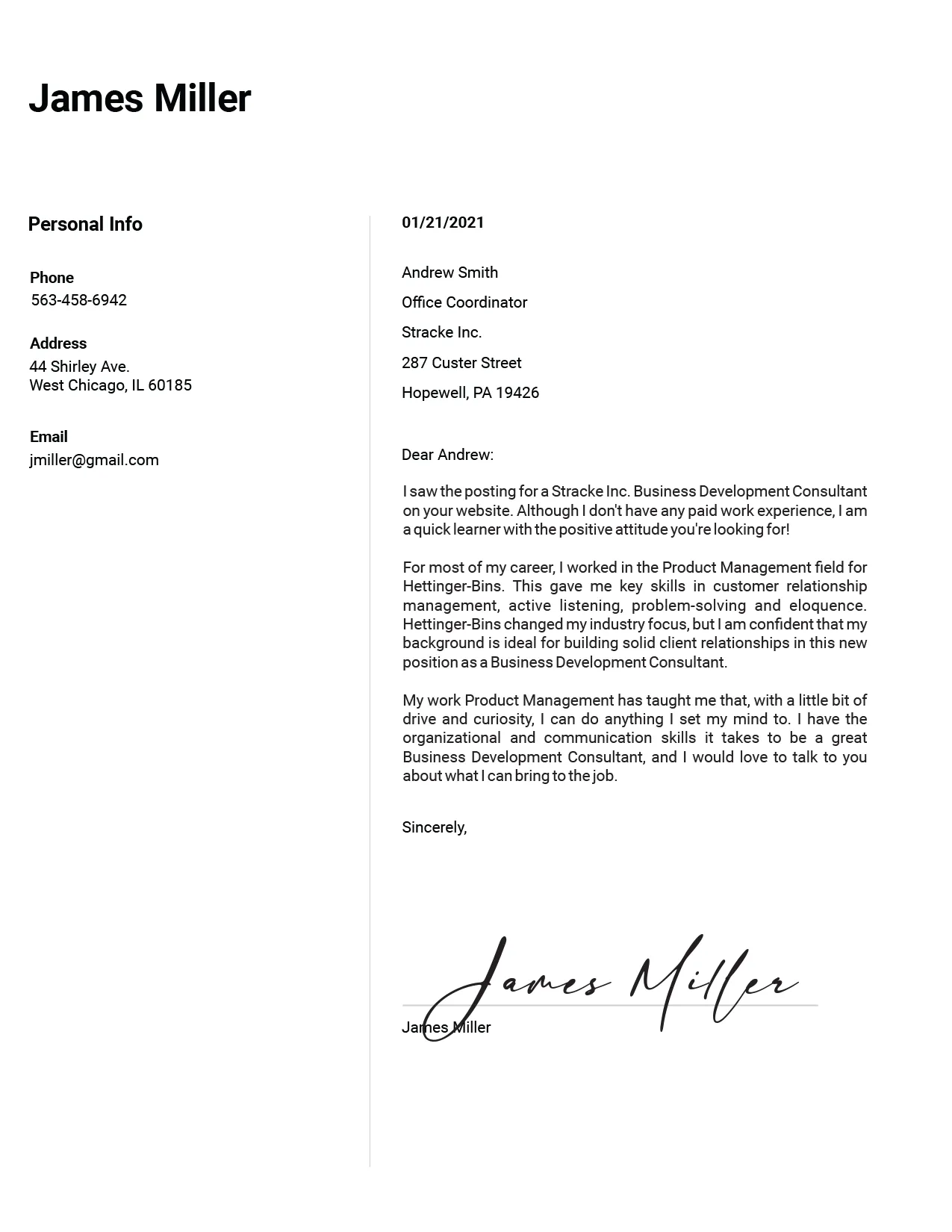
What is a Resume and Cover Letter
In the realm of job applications, a resume and cover letter are indispensable tools that work in tandem to showcase your skills, experience, and qualifications to potential employers. A resume, also known as a curriculum vitae (CV), is a concise document that provides a snapshot of your professional background, including your work history, education, skills, and accomplishments. The cover letter, on the other hand, serves as a personalized introduction, allowing you to elaborate on your qualifications, express your interest in the specific role, and highlight how your skills align with the company’s needs. Together, these two documents form a comprehensive application package that significantly influences an employer’s initial impression of you.
Purpose of a Resume
The primary purpose of a resume is to provide a clear and concise overview of your professional journey. It serves as a marketing tool, summarizing your skills, experience, and achievements in a way that is easily digestible for hiring managers. A well-crafted resume grabs the reader’s attention, demonstrating your suitability for a specific role by highlighting relevant qualifications and accomplishments. By presenting your information in an organized and professional manner, the resume aims to secure an interview, giving you the opportunity to further elaborate on your capabilities and personality.
Key Components of a Resume

A comprehensive resume typically includes several key components that work together to present a well-rounded picture of your professional background. These elements should be carefully curated and formatted for optimal impact. Each section plays a vital role in conveying different aspects of your qualifications, enabling you to tailor your resume to the specific requirements of the jobs you are applying for. Here are the fundamental sections of a strong resume.
Contact Information
At the very top of your resume, provide your full name, professional email address, and a phone number where you can be easily reached. Ensure your email address is professional and reflects well on you. Including a link to your LinkedIn profile is highly recommended as it provides additional context and allows recruiters to learn more about your professional network and endorsements. Consider including a link to an online portfolio if relevant to your field.
Summary/Objective
The summary or objective is a brief statement that appears at the beginning of your resume. A summary is a concise overview of your skills and experience, ideal for experienced professionals, while an objective states your career goals, suitable for entry-level candidates or those changing careers. Tailor this section to the specific job you are applying for, highlighting the most relevant skills and experience that align with the employer’s requirements. Keep it concise, typically around 2-3 sentences, and focus on what you can offer the company.
Work Experience

This section is the core of your resume. List your work experience in reverse chronological order, starting with your most recent position. For each role, include the job title, company name, dates of employment, and a concise description of your responsibilities and accomplishments. Use action verbs to describe your tasks and quantify your achievements whenever possible, for example, ‘Increased sales by 15%’ or ‘Managed a team of 10 employees.’ Focus on results and impact to demonstrate your value to potential employers. Tailor the descriptions to match the requirements of the specific jobs you are applying for.
Education
Include the name of your degree, the institution, and the graduation date (or expected graduation date). You can also include your GPA if it’s strong (generally 3.5 or higher), relevant coursework, honors, and any academic achievements. If you have extensive work experience, place this section after your work experience section. For recent graduates or those with limited work experience, the education section can be placed higher on the resume. Be sure to list your degrees in reverse chronological order.
Skills
This section is where you showcase your skills. Categorize your skills into relevant groups, such as technical skills, software proficiency, language skills, and soft skills (communication, teamwork, problem-solving). Tailor your skills list to match the job description; highlighting the skills that the employer has specified are important. Use keywords from the job description to ensure your resume gets past applicant tracking systems (ATS). Be honest about your skill level and only include skills you possess.
Purpose of a Cover Letter

A cover letter complements your resume by offering a personalized introduction to your qualifications and expressing your interest in the specific role. Unlike the concise nature of a resume, a cover letter allows you to elaborate on your skills, experiences, and motivations. It is a chance to connect with the hiring manager on a more personal level, demonstrating your understanding of the company and the position. A well-written cover letter can significantly increase your chances of landing an interview.
Key Components of a Cover Letter
A cover letter typically includes a header, salutation, introduction, body paragraphs, and a closing. Each element should be carefully crafted to create a compelling narrative that complements your resume and persuades the employer to invite you for an interview. Remember to tailor each cover letter to the specific job and company.
Header
Include your contact information at the top of the cover letter, mirroring the format of your resume. This ensures the hiring manager can easily reach you. Also, include the date and the employer’s contact information (name, title, company, and address), if available. Ensuring these details are accurate demonstrates attention to detail.
Salutation

Address the hiring manager by name whenever possible. Research the company to find the name and title of the hiring manager. A personalized salutation (‘Dear Mr./Ms. [Last Name]’) is much more effective than a generic greeting like ‘To Whom It May Concern.’ If you are unable to find a specific name, ‘Dear Hiring Manager’ or ‘Dear [Department Name] Team’ can be used as a professional alternative.
Introduction
In the introduction, clearly state the position you are applying for and how you found the job posting. Briefly highlight your key qualifications and express your enthusiasm for the role and the company. This section should immediately capture the reader’s attention and encourage them to continue reading. Keep it concise and engaging.
Body Paragraphs
The body paragraphs are the heart of your cover letter. Elaborate on your skills and experiences, providing specific examples that demonstrate how you meet the job requirements. Connect your qualifications to the company’s needs and show how you can contribute to their success. Use the STAR method (Situation, Task, Action, Result) to structure your examples, clearly illustrating your accomplishments and their impact. Focus on relevant skills and tailor your responses to the specific job posting.
Closing

In your closing paragraph, reiterate your interest in the position and summarize your key qualifications. Express your eagerness for an interview and thank the hiring manager for their time and consideration. Include a call to action, such as ‘I look forward to hearing from you soon’ or ‘Thank you for considering my application.’ End with a professional closing, such as ‘Sincerely’ or ‘Best regards,’ followed by your full name.
Formatting and Design
The formatting and design of your resume and cover letter are crucial for creating a positive first impression. A well-designed document is easier to read and demonstrates attention to detail. Avoid common pitfalls, such as inconsistent formatting, excessive use of color, and cluttered layouts. Strive for a clean, professional look that is easy on the eyes.
Choosing the Right Format
There are several resume formats to choose from, each with its strengths and weaknesses. The chronological format, which lists your work history in reverse chronological order, is the most common and preferred by many employers. The functional format emphasizes your skills over your work history, ideal for career changers or those with gaps in their employment. A combination or hybrid format combines elements of both. Select the format that best showcases your qualifications and aligns with your career goals and experience.
Font and Readability

Choose a professional and readable font, such as Arial, Calibri, or Times New Roman, with a font size between 10 and 12 points. Ensure there is adequate white space to avoid a cluttered appearance. Use bolding, italics, and bullet points strategically to highlight key information and improve readability. Maintain consistent formatting throughout your resume and cover letter.
Tips for Writing a Strong Resume and Cover Letter
Crafting a compelling resume and cover letter requires careful planning, attention to detail, and a strategic approach. By following these tips, you can increase your chances of making a positive impression on potential employers and securing an interview.
Tailoring to the Job
Customize your resume and cover letter for each job application. Carefully review the job description and highlight the skills and experiences that directly match the employer’s requirements. Use keywords from the job posting to ensure your application gets past applicant tracking systems. Tailoring your application shows that you have taken the time to understand the specific needs of the role and company.
Using Action Verbs

Start your bullet points with strong action verbs to describe your accomplishments and responsibilities. Action verbs make your resume more dynamic and engaging, showcasing your contributions and impact. Examples include ‘Managed,’ ‘Developed,’ ‘Implemented,’ ‘Increased,’ and ‘Led.’ Using action verbs adds power to your descriptions and helps potential employers quickly understand your achievements.
Proofreading and Editing
Proofread your resume and cover letter carefully for any errors in grammar, spelling, and punctuation. Errors can detract from your credibility and make you appear unprofessional. Use a grammar checker and have someone else review your documents to catch any mistakes you may have missed. Attention to detail is critical in job applications.
Resources and Templates
Numerous resources and templates are available to help you create a professional resume and cover letter. Online resume builders can guide you through the process, while resume templates provide a pre-designed structure. Career websites and professional organizations offer examples and advice. Leverage these resources to create a polished and effective application package.
Creating a strong resume and cover letter is a fundamental step in any job search. By understanding the key components, following best practices, and tailoring your application to each job, you can significantly increase your chances of landing an interview and securing your desired position. Start today and invest time in crafting compelling documents that showcase your skills and experience.