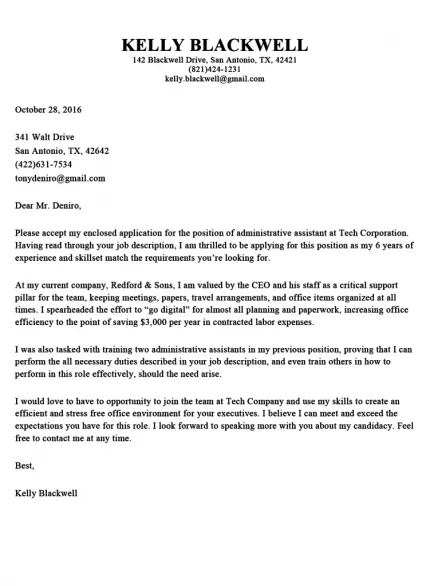
Why a Resume Builder Cover Letter is Essential
In the competitive job market, a well-crafted resume often isn’t enough to secure an interview. This is where a compelling cover letter comes in. A cover letter, especially one created using a resume builder, serves as your personal introduction to a potential employer, offering a chance to showcase your personality, enthusiasm, and the unique value you bring. It provides context to your resume, allowing you to expand on your accomplishments, highlight relevant skills, and demonstrate why you’re the ideal candidate for the specific role. A cover letter allows you to bridge the gap between your skills and the employer’s needs, something a resume alone may not fully achieve. A good cover letter can significantly increase your chances of landing an interview.
Highlight Your Skills and Experience
Your cover letter should strategically highlight your skills and experience relevant to the job you’re applying for. Instead of merely restating your resume, use the cover letter to elaborate on key accomplishments and demonstrate how your skills align with the job requirements. Use specific examples to illustrate your abilities and quantify your achievements whenever possible. For instance, instead of saying ‘Managed social media,’ state ‘Increased social media engagement by 30% within six months.’ This approach not only grabs the reader’s attention but also proves your capabilities. Tailoring your cover letter to each specific job by emphasizing the skills and experiences that are most relevant is vital for success.
What to Include in Your Cover Letter

Header Information
Your cover letter should begin with a professional header. This section includes your contact information, the date, and the employer’s contact information. Ensure your contact details are accurate and up-to-date, including your name, phone number, email address, and LinkedIn profile URL if you have one. The employer’s details should consist of the hiring manager’s name (if known), their title, and the company’s address. Using a proper header sets a professional tone and ensures that the recipient knows how to reach you. Pay close attention to detail, as any errors here can make a negative first impression.
Address the Hiring Manager
Always address your cover letter to a specific person whenever possible. Research the hiring manager’s name and title. Addressing the letter to a specific person demonstrates that you’ve taken the time to do your homework and are genuinely interested in the position. If you cannot find a name, you can use a professional greeting such as ‘Dear Hiring Manager’. Avoid generic greetings like ‘To Whom It May Concern’ as they can make your application seem impersonal. This personal touch can set your application apart and show you’ve gone the extra mile. A personalized greeting immediately makes your letter more engaging.
Opening Paragraph

The opening paragraph is your first opportunity to make a strong impression. State the position you’re applying for and how you found the job posting. Briefly mention why you’re interested in the role and the company. Keep this section concise and enthusiastic, highlighting your key qualifications in a way that captures the reader’s attention. For instance, you can start with a statement like, ‘I am writing to express my keen interest in the Marketing Manager position advertised on LinkedIn.’ Make your enthusiasm clear from the outset, setting the tone for the rest of your letter and making the hiring manager want to continue reading.
Body Paragraphs
The body of your cover letter is where you elaborate on your skills, experiences, and achievements. This section should be well-organized, with each paragraph addressing a specific point. Use this space to highlight relevant experience and skills from your resume. Focus on the requirements outlined in the job description and show how your background aligns with those needs. You should aim to provide concrete examples that illustrate your abilities and demonstrate your value. Structure these paragraphs to provide a clear narrative of your accomplishments and how they align with the company’s needs and expectations.
Highlighting Relevant Skills and Experience
Carefully review the job description and identify the key skills and experiences the employer is seeking. Use the body paragraphs to showcase how your qualifications meet those requirements. Provide specific examples of past projects or situations where you used those skills to achieve results. Use action verbs to describe your accomplishments. For example, instead of saying ‘Responsible for managing projects,’ say ‘Managed multiple projects simultaneously, resulting in a 15% increase in on-time project completion.’ Tailor this section to fit each job application, as it shows your skills and experiences directly contribute to the employer’s needs.
Quantifying Your Achievements

Whenever possible, quantify your achievements with numbers, percentages, or specific data points. This approach makes your accomplishments more impactful and demonstrates your ability to deliver results. For instance, instead of stating ‘Improved customer satisfaction,’ say ‘Improved customer satisfaction scores by 20% within six months through the implementation of a new customer service strategy.’ Quantifiable achievements provide concrete evidence of your capabilities and distinguish you from other candidates. Providing these metrics adds credibility to your claims and shows how you can drive results in a new role.
Closing Paragraph
In your closing paragraph, reiterate your interest in the position and thank the hiring manager for their time and consideration. Briefly summarize why you’re the best fit for the role and express your enthusiasm for the opportunity. Use a professional closing, such as ‘Sincerely’ or ‘Best regards,’ followed by your name. Maintain a positive and confident tone throughout this section. End with a statement like, ‘I am excited about the opportunity and look forward to hearing from you soon.’
Call to Action
Include a clear call to action at the end of your cover letter. Invite the hiring manager to contact you for an interview or further discussion. State your availability and willingness to discuss how you can contribute to the company’s success. This shows your eagerness and makes the next step easy for the hiring manager. A strong call to action encourages the recruiter to move forward with your application. You can state, ‘I am available for an interview at your earliest convenience and can be reached at [your phone number] or [your email address].’
Formatting Your Resume Builder Cover Letter

Proper formatting is crucial for making your cover letter easy to read and visually appealing. Use a clear, professional font, appropriate margins, and consistent spacing to ensure your letter looks polished. Poor formatting can detract from the content and create a negative impression. A well-formatted cover letter demonstrates attention to detail and professionalism.
Font Selection and Size
Choose a readable font like Times New Roman, Arial, or Calibri. Keep the font size between 10 and 12 points for readability. Avoid overly ornate fonts that may be difficult to read. A professional and clean font makes your cover letter easier to read, ensuring your message is conveyed effectively. Consistent font usage throughout the document enhances the overall presentation and makes it look professional.
Margins and Spacing
Set margins to one inch on all sides to provide a balanced appearance. Use single-line spacing for the body of your letter, and double-space between paragraphs. Proper spacing makes the text easy to follow and creates a clean, uncluttered look. Adequate spacing improves readability, preventing the letter from appearing cramped or overwhelming. A well-formatted cover letter shows that you pay attention to detail and respect the reader’s time.
Proofreading and Editing

Proofread your cover letter multiple times to catch any typos, grammatical errors, or inconsistencies. Use a spell checker, but also read the letter carefully to identify any errors the spell checker might miss. Have a friend or colleague review your letter for a fresh perspective. Errors can undermine your credibility and make you appear unprofessional. Ensure that your cover letter is free of errors before submitting it, as it significantly impacts the first impression you make on the hiring manager. Thorough proofreading shows attention to detail and professionalism.
Customizing Your Cover Letter for Each Job
Avoid using a generic cover letter for all job applications. Tailor each letter to the specific job and company. Highlight the skills and experiences that align most closely with the job requirements. This customization demonstrates that you’ve taken the time to understand the company’s needs and are genuinely interested in the role.
Tailoring Your Cover Letter Content
Analyze the job description and identify the key requirements and keywords. Use these keywords throughout your cover letter, but do so naturally. Focus on the skills and experiences that the employer is seeking, and provide specific examples of how you’ve demonstrated those skills in the past. This customization helps you stand out and shows that you are a good fit for the position. Demonstrating the value you bring by tailoring the content to the needs of the specific job increases your chance of success.
Using Keywords from the Job Description

Incorporate keywords from the job description into your cover letter. This helps your application pass through applicant tracking systems (ATS) and ensures that your resume is flagged as relevant. Integrate these keywords naturally within your sentences, focusing on skills and experience. Use keywords that accurately reflect your skills and experiences. This strategy increases the likelihood that your application will be seen by a human. Don’t overdo it – focus on writing naturally.
Resume Builder Cover Letter Examples and Templates
Utilizing cover letter examples and templates can streamline the writing process. These resources provide a structured framework and can guide you in formatting and content. Customize these templates to fit your specific experience and the job description. Many resume builders offer cover letter templates to make it easier. These templates provide structure and help you incorporate the necessary elements in your letter. Experiment with different templates until you find one that suits your style and the specific role.
Cover Letter Template 1
A basic cover letter template might include sections for your contact information, the hiring manager’s contact information, a personalized greeting, an opening paragraph stating your interest and the position, a body section highlighting relevant skills and achievements, a closing paragraph summarizing your qualifications and expressing enthusiasm, and a call to action. Tailor this template to the specific job posting, and use keywords from the job description to make your application stand out. Remember, you can find many templates available online.
Cover Letter Template 2
Another effective template could be one focused on storytelling. This approach involves starting with a brief narrative that grabs the reader’s attention. Describe a key accomplishment that showcases your abilities. Then, use the body paragraphs to expand on your skills and experiences, and how they align with the job requirements. This format gives a more personal touch to your application, which is more likely to make a memorable impression. Tailor the story to the job by focusing on the most relevant achievements.
Common Mistakes to Avoid
Avoid making common mistakes when writing your cover letter. Errors can negatively impact your application and reduce your chances of getting an interview. Make sure you are aware of the common pitfalls, and take steps to avoid them. Paying attention to the details can help you create a more professional and effective cover letter.
Generic Cover Letters
Avoid sending generic cover letters that are not tailored to the specific job. These letters often come across as impersonal and show a lack of interest in the position or the company. Instead, customize your letter by highlighting skills and experiences relevant to the specific requirements. A personalized cover letter will show that you’ve put in the effort to understand the company’s needs.
Typos and Grammatical Errors
Typos and grammatical errors can make you appear unprofessional and careless. Always proofread your cover letter carefully. Use a spell checker, but don’t rely on it completely. Have someone else review your letter to catch any errors you might miss. Thorough proofreading shows attention to detail. A well-edited cover letter demonstrates professionalism.
Lying or Exaggerating
Never lie or exaggerate your qualifications or experiences. Employers will often verify the information you provide. If they discover any inaccuracies, your application will likely be rejected, and your reputation could be damaged. Honesty and integrity are essential. Be truthful about your skills and achievements. Instead of lying, focus on showcasing your strengths and highlighting what you have to offer.
Final Tips for Cover Letter Success
Follow these final tips to ensure your cover letter stands out. By focusing on the key elements of an effective cover letter, you can significantly increase your chances of getting an interview. Remember that the goal of your cover letter is to capture the hiring manager’s attention, create a positive impression, and ultimately get you an interview. Use all these strategies to make your application more effective.
Follow Up After Submission
Following up after submitting your cover letter and resume can demonstrate your enthusiasm and initiative. If you have not heard back within a reasonable timeframe (usually one to two weeks), send a polite follow-up email. In your email, reiterate your interest in the position and inquire about the status of your application. This shows your proactive approach and can help you stay top of mind. This can demonstrate your enthusiasm and attention to the hiring process.