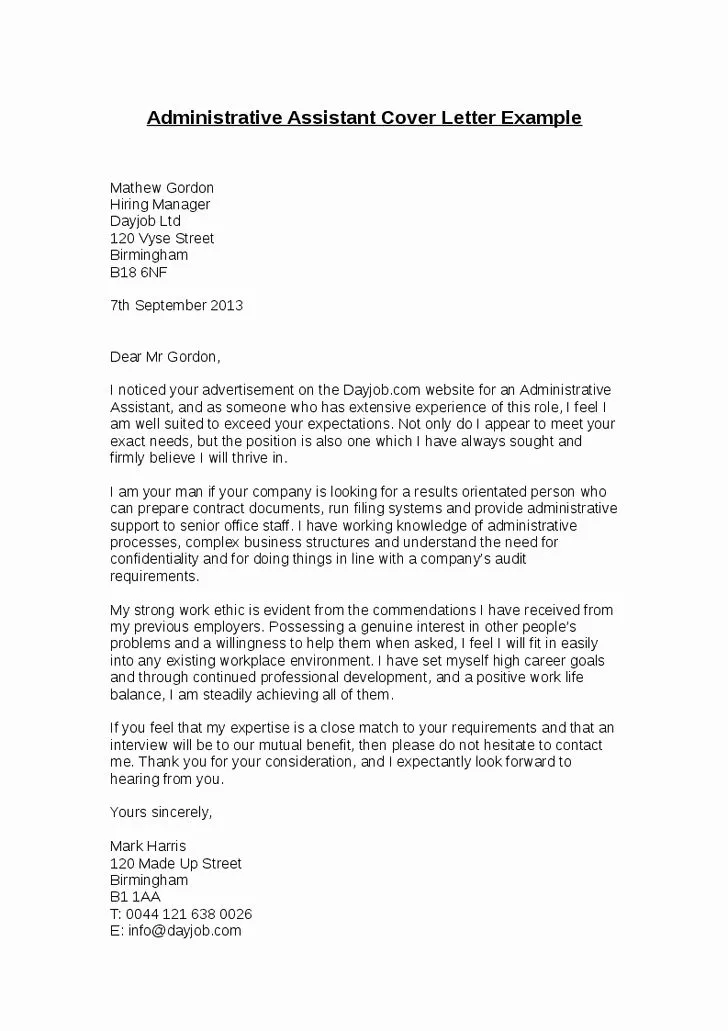
Crafting a Winning RA Cover Letter
A well-crafted cover letter is your first opportunity to make a strong impression and secure a Resident Assistant (RA) position. It’s more than just a formality; it’s your chance to showcase your personality, skills, and understanding of the role. This guide offers key tips for creating a standout RA cover letter that effectively communicates your qualifications and enthusiasm. By following these recommendations, you can significantly increase your chances of landing an interview and ultimately, the job. Remember that the cover letter is your advocate, so make it compelling, concise, and tailored to the specific requirements of the position and institution.
Highlighting Relevant Experience
Your cover letter should prominently feature your relevant experience. This includes any past roles where you demonstrated leadership, responsibility, and the ability to work with others. Think about any positions where you were in charge of a group, managed conflicts, or provided support to individuals. These experiences are directly transferable to the RA role. The key is to describe your experiences in detail, providing specific examples of what you did and the outcomes of your actions. Quantify your achievements whenever possible, such as by mentioning the number of people you supervised or the positive impact you had on a project or community. Highlight how your past experiences have prepared you for the challenges and responsibilities of being an RA. Consider the skills needed for this role and link your past experiences to these requirements.
Previous Leadership Roles

Detailing your previous leadership roles is a critical aspect of demonstrating your suitability for the RA position. Provide specific examples of your leadership skills, such as how you motivated a team, delegated tasks, or made important decisions. Consider any situations where you took initiative and led a group to achieve a common goal. Highlight any training or programs you participated in to enhance your leadership abilities. This section of your cover letter should not just list your previous titles, but also describe your actions and the results you achieved. Show the hiring committee how you have taken the lead in various scenarios. Mention any awards or recognition you received for your leadership, as this demonstrates your commitment to excellence and ability to inspire others. Make sure your experience links with your skills and capabilities.
Community Involvement and Activities
Emphasize your involvement in community activities and how they have prepared you for the RA role. This could include volunteer work, participation in student organizations, or any other activities that demonstrate your commitment to helping others. Detail any experiences where you worked with diverse groups of people, organized events, or provided support and assistance. Focus on the skills you developed through these activities, such as teamwork, communication, and problem-solving. The key here is to show that you are a well-rounded individual who is willing to contribute to the community. Highlighting your involvement in community activities demonstrates your ability to build relationships, create a positive environment, and work collaboratively toward common goals. Emphasize your passion for contributing to the overall student experience.
Demonstrating Key Resident Assistant Skills
The best cover letters clearly demonstrate the key skills required for the RA role. This includes strong communication, conflict resolution, empathy, and interpersonal abilities. Provide specific examples of how you have used these skills in the past and how they will benefit you in the RA role. Use action verbs to describe your experiences, such as ‘resolved,’ ‘mediated,’ ‘communicated,’ and ‘supported.’ Focus on the transferable skills. Ensure your cover letter highlights your skills to show that you can handle the challenges and responsibilities of the position. Demonstrate you are a capable and well-rounded candidate who possesses the qualities needed to succeed as an RA.
Communication Abilities

Highlight your strong communication skills, both written and verbal. Provide examples of how you have effectively communicated with others in various settings, such as giving presentations, writing reports, or mediating discussions. The RA role requires clear and concise communication to disseminate information, resolve conflicts, and build relationships with residents. Mention specific strategies you use to ensure effective communication, such as active listening and providing constructive feedback. Emphasize your ability to adapt your communication style to different audiences. Demonstrate your ability to communicate effectively with a diverse group of students. Use examples from previous experiences to showcase your communication skills.
Conflict Resolution Proficiency
Showcase your ability to resolve conflicts effectively and diplomatically. The RA role often involves mediating disputes between residents. Describe your approach to conflict resolution, including how you remain calm, listen to both sides, and find mutually agreeable solutions. Provide examples of conflicts you have resolved successfully. Show how you de-escalate tense situations and facilitate constructive dialogue. Your ability to stay calm, impartial, and solution-oriented is very important. Highlight any training or experience in conflict resolution, such as mediation workshops or peer support roles. The ability to manage difficult situations and resolve issues is critical for building a positive living environment.
Empathy and Interpersonal Skills
Demonstrate your capacity for empathy and strong interpersonal skills. This involves your ability to understand and share the feelings of others, and build positive relationships. Describe how you have supported individuals during difficult times, provided encouragement, or helped them overcome challenges. Your ability to show compassion and understanding helps you create a supportive and inclusive environment for residents. Mention how you handle sensitive situations and build trust with others. Highlight your ability to build rapport and your genuine interest in helping others. Highlight any instances where you have actively listened to and supported individuals. Demonstrate your ability to approach any resident with kindness and professionalism.
Showcasing Your Knowledge of the Role and Community

Demonstrate your understanding of the RA role and how you will contribute to the community. Mention the responsibilities of the RA position and how you can excel in each aspect. Provide examples of how you will foster a positive living environment and create a sense of community among residents. Show your understanding of the challenges and expectations of the role. Illustrate the steps you will take to resolve issues, support residents, and promote a safe, inclusive atmosphere.
Understanding Resident Needs and Expectations
Showcase your understanding of the needs and expectations of residents. This involves your ability to create a welcoming and inclusive community. Demonstrate your ability to address concerns, provide resources, and create a supportive atmosphere. Highlight your knowledge of the different needs of various student groups, such as international students, students with disabilities, and students from diverse backgrounds. Show how you will prioritize student well-being and create a supportive environment. Emphasize your commitment to treating all residents with respect, compassion, and understanding. Demonstrate how you can provide assistance and resolve concerns to residents.
Familiarity With University Policies and Resources
Demonstrate your knowledge of university policies and resources. RA’s need to be familiar with the guidelines. Mention specific policies that are important for the RA position, such as those related to conduct, safety, and emergencies. Describe how you will guide residents and support them in accessing the resources available on campus, such as counseling, academic support, and health services. Highlight your understanding of the services available to students and how you plan to direct them to the appropriate channels. Mention your familiarity with the student handbook, residence life website, and other resources that help residents to succeed. Show your willingness to learn and stay up-to-date with all relevant information.
Tailoring Your Cover Letter for Impact

Personalize your cover letter to make it as relevant as possible to the specific position and institution. Demonstrate a clear understanding of the requirements of the RA role. Tailoring your cover letter makes it more engaging and allows you to make a great impression. Tailor your cover letter to demonstrate your understanding of the mission of the institution. Show how your experience and skills align with the values and goals of the university. Addressing the specific points shows the hiring committee that you have taken the time to understand the RA role at their institution.
Researching the Specific Institution
Thoroughly research the institution where you are applying. Familiarize yourself with the university’s mission, values, and community. This helps you to demonstrate your commitment to the institution. Look into the residence life program and identify the values and goals of the department. Highlight how your skills and experiences align with those values. Doing your research will allow you to tailor your cover letter more effectively. Demonstrate your genuine interest in the university and how you want to contribute to the community. Research the residential life program, its initiatives, and any special programs or events. Show your interest and knowledge by mentioning specific aspects of the school.
Using Keywords Effectively
Incorporate relevant keywords from the job description into your cover letter. Use language from the job description to describe your skills and experiences. Keywords can help you stand out. By using the right keywords, you can make sure your cover letter is noticed by the hiring committee. Identify the core skills and qualifications mentioned in the job posting and make sure you include them in your cover letter. Consider the phrases that the hiring managers use. The best cover letters include phrases that align with the job posting.
Formatting and Presentation Tips

Proper formatting and presentation can significantly enhance the readability and impact of your cover letter. Ensure it is well-organized and easy to read. Use a professional font and maintain consistent formatting throughout the document. Pay attention to the layout, including margins, spacing, and headings, to make the letter easy to scan. A well-formatted cover letter projects a professional image and shows you pay attention to details. Keep your cover letter concise and focused. Break up long paragraphs into shorter ones, and use bullet points to highlight key skills and achievements. Proofread your letter multiple times.
Writing a Compelling Closing
Conclude your cover letter with a confident closing statement. Reiterate your interest in the RA position and summarize your key qualifications. Include a call to action, such as expressing your eagerness to discuss your qualifications further and your availability for an interview. Thank the hiring manager for their time and consideration. Your closing should leave the reader with a positive and lasting impression. Make sure your closing reflects your enthusiasm and interest in the role. End your letter by expressing your strong desire to contribute to the university community.
Proofreading and Editing for Perfection
Before submitting your cover letter, carefully proofread it for any errors. A cover letter with errors is a major turnoff. Proofread for grammatical errors, spelling mistakes, and formatting inconsistencies. Ask a friend, family member, or career counselor to review your cover letter. Use grammar and spelling checkers to help. A polished, error-free cover letter shows that you pay attention to detail and take pride in your work. Carefully check your cover letter and revise any potential mistakes to present the best version of yourself. Errors create a negative first impression.