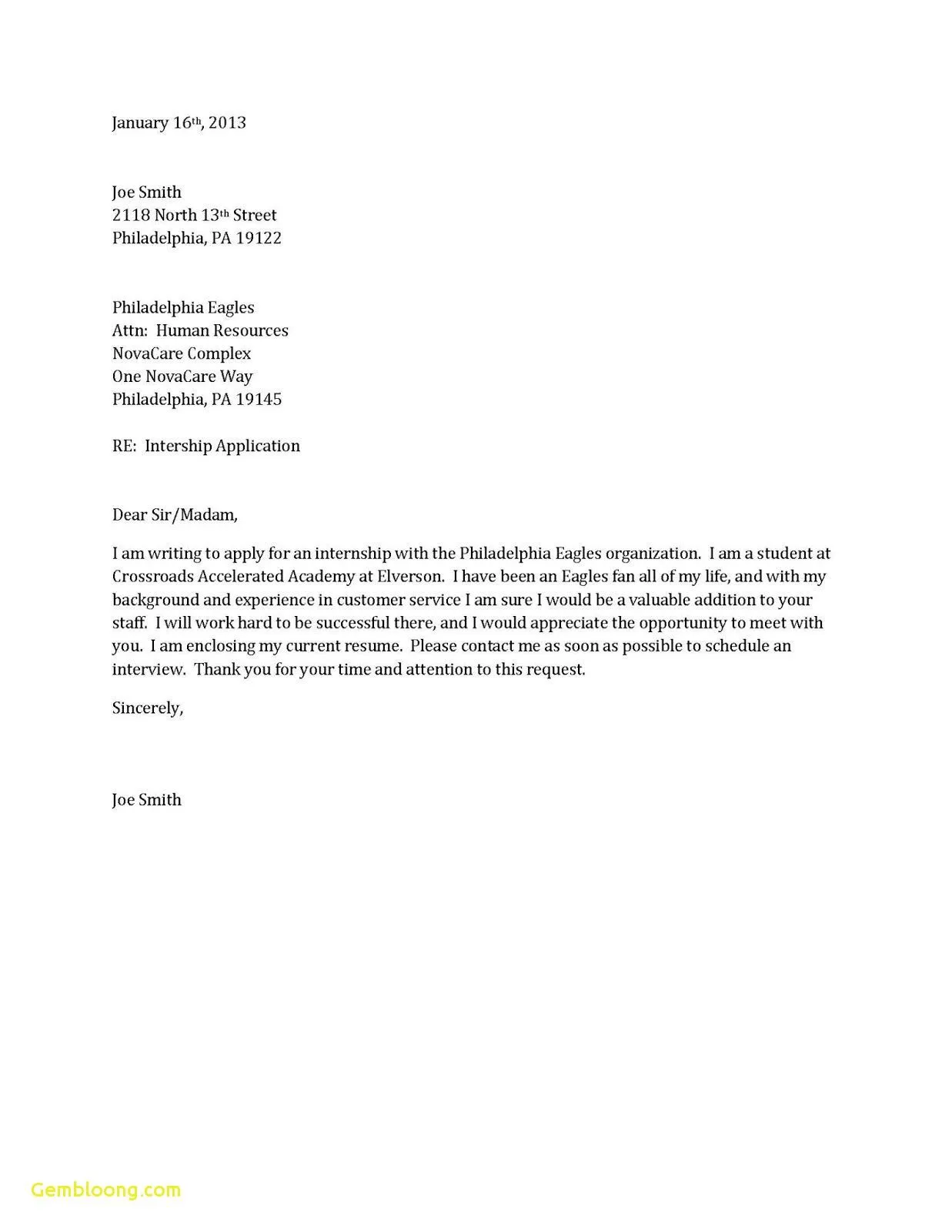
What is a Quick Cover Letter Sample?
A quick cover letter sample is a concise, impactful document that accompanies your resume when applying for a job. Unlike a full-length cover letter, a quick cover letter sample aims to provide a brief overview of your qualifications, skills, and experience, highlighting why you are a strong candidate for the position. The goal is to capture the hiring manager’s attention immediately, encouraging them to delve deeper into your resume. It’s essentially a teaser, designed to make a positive first impression. A well-crafted quick cover letter sample can significantly increase your chances of securing an interview by showcasing your understanding of the job requirements and your enthusiasm for the opportunity. It demonstrates your ability to communicate effectively and efficiently, a crucial skill in today’s professional world.
Why is a Quick Cover Letter Important?
In the fast-paced world of recruitment, a quick cover letter sample is increasingly important. Recruiters and hiring managers often have limited time to review each application. A quick cover letter allows you to quickly convey your value proposition. It allows you to immediately demonstrate how your skills and experiences align with the job requirements. It provides a chance to personalize your application beyond the standard resume format, showing your genuine interest in the role and the company. This brief but targeted approach helps you stand out from other applicants. A well-written quick cover letter underscores your professionalism, attention to detail, and your understanding of the job’s needs, all vital for making a positive first impression. It’s a strategic tool that can significantly improve your chances of getting noticed and moving forward in the hiring process.
Top 5 Tips for a Quick Cover Letter Sample

Crafting a compelling quick cover letter sample requires a strategic approach. These five tips will help you create an effective and memorable letter that increases your chances of landing an interview. By focusing on these key areas, you can showcase your qualifications and make a strong impression on potential employers. Remember, the goal is to make a lasting impact in a short amount of time, highlighting the value you bring to the table and demonstrating your genuine interest in the position.
Tip 1: Highlight Your Skills & Experience
When writing a quick cover letter sample, immediately spotlight the skills and experience that directly align with the job requirements. Review the job description carefully and identify the key skills and qualifications the employer is seeking. Then, in your letter, succinctly explain how your background and expertise match those needs. Provide specific examples to illustrate your abilities, quantifying your achievements whenever possible. For instance, instead of saying “Managed projects,” write “Successfully managed and delivered five projects, increasing team efficiency by 15%.” This focused approach demonstrates your competence and makes it easier for the hiring manager to see your potential value to the company. It is important to focus on the most relevant aspects of your work history, tailoring your message to resonate with the specific role and the company’s needs.
Tip 2: Tailor to the Job Description
Avoid sending generic cover letters. Each quick cover letter sample should be customized to the specific job and company. Start by carefully reading the job description and understanding the key responsibilities, required skills, and company culture. Then, personalize your letter to reflect that understanding. Mention the company name and the specific role you are applying for. Highlight how your qualifications align with the job’s requirements. Show that you have researched the company, and explain why you are interested in the opportunity. This level of personalization shows that you are serious about the position and have taken the time to understand the company’s needs. Generic letters are easily identified and often discarded. Therefore, tailoring your letter is essential to making a strong and positive impression on the hiring manager.
Tip 3: Show Enthusiasm and Personality

While professionalism is key, don’t be afraid to let your personality shine through in your quick cover letter sample. Inject a degree of enthusiasm for the opportunity. Briefly explain why you are excited about the role and the company. This can be done by highlighting a specific aspect of the job that interests you, or mentioning something you admire about the company’s mission or values. Use a tone that is both professional and engaging, allowing your passion for the work to show. This will help you connect with the hiring manager on a personal level. A genuine expression of interest can set you apart from other candidates. It makes you more memorable and demonstrates your commitment to the position. This is crucial in creating a positive impression.
Tip 4: Keep it Concise and Focused
A quick cover letter sample should, by its very nature, be brief and to the point. Aim for a letter that is no more than half a page long, ideally shorter. Every sentence should serve a purpose, conveying information efficiently and effectively. Focus on the most important points. Avoid unnecessary details or lengthy explanations. Start with a strong opening that grabs the reader’s attention, immediately highlighting your key qualifications and interest in the role. Use clear, concise language. Break up long blocks of text into shorter paragraphs. This makes your letter easier to read and digest. A well-structured, concise letter showcases your ability to communicate effectively and respects the hiring manager’s time. This can significantly increase the impact of your application.
Tip 5: Proofread for Errors
Before submitting your quick cover letter sample, proofread it meticulously. Check for any grammatical errors, spelling mistakes, and typos. These errors can create a negative impression, suggesting a lack of attention to detail and professionalism. Read your letter aloud to catch any awkward phrasing or unclear sentences. Consider having a friend or colleague review your letter as well. Another pair of eyes can often spot errors you might have missed. Ensure that your letter is formatted correctly, with proper spacing, margins, and font. A polished, error-free letter shows that you care about the quality of your work and are committed to presenting yourself in the best possible light. This is one of the simplest, yet most important, steps in the job application process.
Quick Cover Letter Sample Template

While every cover letter should be customized, a template can help you get started. Here is a basic structure to guide you
Start with your contact information and the date, followed by the hiring manager’s contact information.
Greeting Use a formal greeting such as ‘Dear Mr./Ms. [Last Name]’ if you know the hiring manager’s name. If not, ‘Dear Hiring Manager’ is acceptable.
Opening Paragraph State the position you are applying for and where you found the job listing. Briefly mention your key qualifications and why you are interested in the role.
Body Paragraphs In one or two concise paragraphs, highlight your relevant skills, experience, and accomplishments. Tailor these to the job description and provide specific examples.
Closing Paragraph Reiterate your interest in the position and express your eagerness to discuss your qualifications further. Thank the reader for their time and consideration.
Closing Use a professional closing such as ‘Sincerely’ or ‘Best regards’, followed by your name and signature. This template provides a solid foundation. Always customize it to fit the specific job requirements and your unique qualifications.