Crafting a Compelling Cover Letter
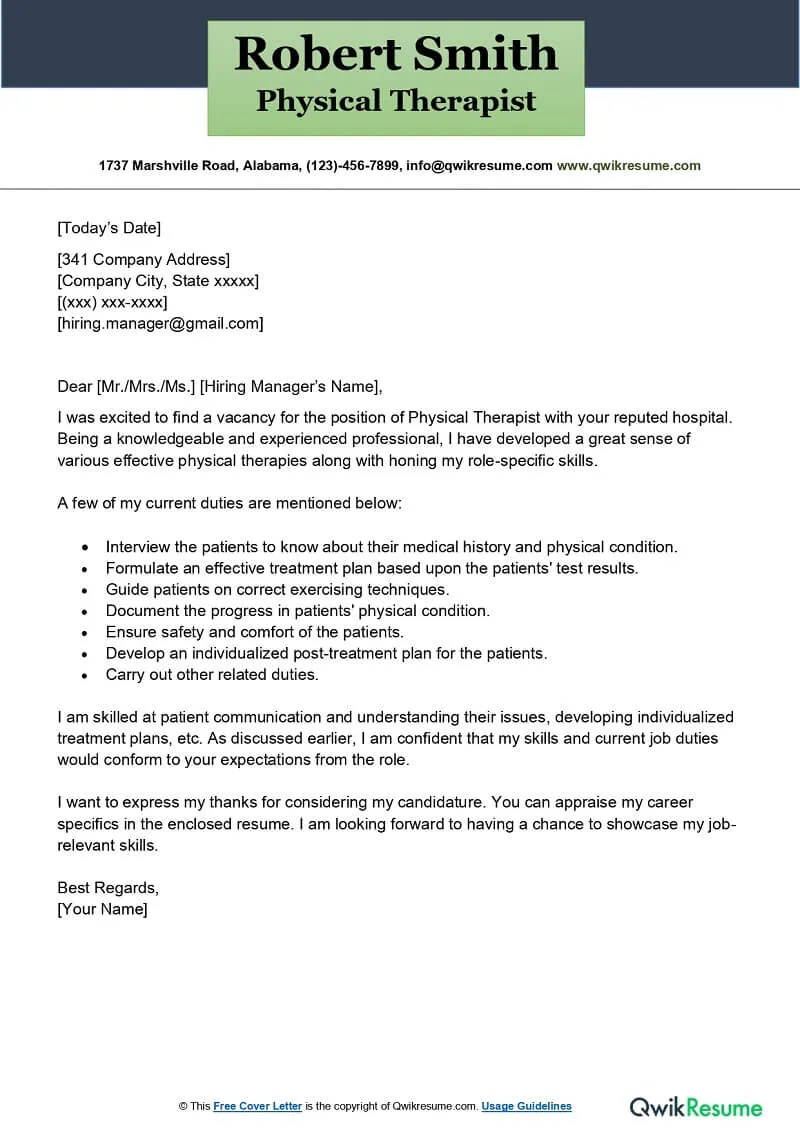
A well-crafted cover letter is your first opportunity to make a strong impression on a potential employer. It serves as an introduction, complementing your resume and providing a glimpse into your personality, skills, and aspirations. It is not merely a repetition of your resume but a dynamic narrative that highlights your unique qualifications and enthusiasm for the physical therapist position. In a competitive job market, a compelling cover letter can significantly increase your chances of securing an interview and ultimately landing your dream job. By carefully structuring your letter and tailoring its content to each specific job application, you can showcase your understanding of the role and your genuine interest in the opportunity. This initial contact sets the tone for the entire application process, so investing time and effort into crafting a standout cover letter is essential. Remember that the goal is to grab the reader’s attention and make them want to learn more about you.
Understanding the Purpose of a Cover Letter
The primary purpose of a cover letter is to introduce you to the hiring manager and express your interest in the position. It provides context to your resume and allows you to elaborate on your key skills and experiences, demonstrating how they align with the specific requirements of the job. Your cover letter should go beyond simply listing your qualifications; it should tell a story about your career aspirations and why you are the perfect fit for the role. Furthermore, it allows you to personalize your application, showcasing your understanding of the company or clinic and your enthusiasm for their mission. A well-written cover letter reflects your communication skills, professionalism, and attention to detail. This can set you apart from other applicants and increase your chances of being selected for an interview. Think of it as a marketing document selling your expertise and enthusiasm to the employer.
Highlighting Your Skills and Experience

Your cover letter is the perfect place to highlight your most relevant skills and experiences as a physical therapist. Focus on the qualifications that align with the job description, emphasizing any specialized training, certifications, or areas of expertise. Detail your experience with specific patient populations, treatment modalities, or clinical settings. Use action verbs to describe your responsibilities and accomplishments, demonstrating how you have contributed to patient care and achieved positive outcomes. For example, instead of saying you ‘assisted patients,’ you could say you ‘implemented individualized treatment plans’ or ‘achieved a 90% patient satisfaction rate’. By quantifying your accomplishments whenever possible, you add credibility and demonstrate the value you bring to the table. Remember to always tailor your skills and experiences to each job application, ensuring they match the specific requirements and priorities of the employer.
Tailoring Your Letter to the Job Description
Customizing your cover letter to each job application is crucial for demonstrating your genuine interest and suitability for the role. Carefully review the job description, identify the key requirements and desired qualifications, and then align your skills and experiences accordingly. Your cover letter should explicitly address how you meet those requirements, providing concrete examples of your relevant achievements. This might involve mentioning specific treatment techniques you’ve mastered, patient populations you’ve successfully treated, or team projects you’ve contributed to. Avoid using a generic template; instead, write a unique letter that showcases your understanding of the specific job and the clinic or hospital’s needs. Highlighting your knowledge of the organization’s mission, values, or patient care approach can further demonstrate your genuine interest and make your application stand out. Tailoring shows the employer that you have taken the time to understand their needs and that you are genuinely interested in contributing to their team.
Researching the Clinic or Hospital
Before submitting your cover letter, conduct thorough research on the clinic or hospital to which you are applying. This includes understanding their mission, values, patient demographics, and the specific services they offer. Review their website, social media profiles, and any available publications to gain insights into their culture and approach to patient care. This knowledge will enable you to tailor your cover letter to align with their specific needs and demonstrate your genuine interest in joining their team. You can then personalize your letter by mentioning their values, patient populations, or even specific programs that resonate with your interests and expertise. Showing that you have taken the time to research the organization demonstrates your initiative, attention to detail, and commitment to the application process. Furthermore, it allows you to identify how your skills and experiences can contribute to their success and improve patient outcomes.
Showcasing Your Achievements

In your cover letter, focus on showcasing your achievements rather than just listing your responsibilities. Use specific examples to demonstrate your impact on patient outcomes, team projects, or clinic improvements. Instead of saying you ‘provided physical therapy services’, describe how you ‘developed and implemented successful rehabilitation programs that improved patient mobility by 40%’. Quantify your accomplishments whenever possible, using numbers, percentages, or specific data to illustrate your contributions. For instance, you could mention ‘reducing patient recovery time by 20%’ or ‘increasing patient satisfaction scores by 15%’. This approach not only highlights your skills but also provides tangible evidence of your ability to deliver results. It also helps potential employers understand the value you bring to their organization. Remember to align your achievements with the specific requirements of the job, emphasizing the skills and experiences most relevant to the position.
Quantifying Your Accomplishments
One of the most effective ways to impress a potential employer is by quantifying your accomplishments. Using numbers, percentages, and specific data provides concrete evidence of your achievements and demonstrates the value you can bring to the role. Instead of saying you ‘improved patient outcomes,’ state that you ‘increased patient mobility by 35% through targeted interventions’. Consider examples like ‘reduced patient fall risk by 20%’ or ‘increased patient satisfaction scores by 18%’. When describing your experiences, always strive to quantify your achievements whenever possible. This adds credibility to your claims and makes your cover letter more compelling. Including specific data not only demonstrates your competence and skills but also provides a clear picture of your impact on patient care and clinic performance. The use of quantifiable results significantly strengthens your cover letter, showing that you are focused on results and driven to improve patient outcomes.
Formatting and Structure
A well-formatted cover letter is essential for making a positive first impression. Use a professional font, such as Times New Roman, Arial, or Calibri, and maintain a consistent font size. Keep the letter concise and easy to read, with clear margins and proper spacing between paragraphs. The standard structure of a cover letter typically includes an introduction, body paragraphs, and a conclusion. The introduction should state your purpose for writing and highlight your interest in the position. Body paragraphs should provide detailed examples of your skills and experiences, emphasizing their relevance to the job description. The conclusion should reiterate your interest, summarize your key qualifications, and express your availability for an interview. Proofread your letter carefully for any grammatical errors, typos, or inconsistencies in formatting. A well-structured and formatted cover letter demonstrates your attention to detail and professionalism, increasing your chances of making a positive impression on the hiring manager.
Writing a Strong Opening

Your opening paragraph is crucial as it sets the tone for your entire cover letter. It should immediately grab the reader’s attention and clearly state your purpose for writing. Instead of a generic opening, consider starting with a compelling hook that highlights your most relevant skills or experiences. If you have a connection to the clinic or a specific achievement, feel free to mention it. Be sure to identify the specific position you are applying for and briefly explain why you are interested. You can express your enthusiasm and passion for the role, and state your qualifications. Ensure your opening paragraph is tailored to the specific job and reflects your understanding of the clinic or hospital’s needs. A strong opening sets a positive first impression and entices the hiring manager to continue reading your cover letter. This initial engagement is key to capturing their attention and prompting them to learn more about your qualifications.
Developing Body Paragraphs
The body paragraphs of your cover letter are where you provide the meat of your argument, showcasing your skills, experience, and accomplishments. Each paragraph should focus on a specific aspect of your qualifications, providing detailed examples to support your claims. Use action verbs to describe your responsibilities and achievements, demonstrating how you have contributed to patient care and achieved positive outcomes. Provide evidence of your relevant experiences and skills, using specific examples and quantifiable results whenever possible. Demonstrate your understanding of the clinic or hospital’s needs and how your skills can contribute to their success. Make sure your body paragraphs are concise, well-organized, and easy to read. Avoid using generic language and instead focus on presenting your unique value proposition. Use each paragraph to showcase your strengths and make a case for why you are the best candidate for the role. By using clear and concise language, the body paragraphs are meant to be highly informative.
Creating a Powerful Closing
Your closing paragraph should reiterate your interest in the position, summarize your key qualifications, and express your availability for an interview. Reiterate your enthusiasm for the opportunity and restate your interest in contributing to the clinic or hospital’s mission. Use a confident tone and clearly state that you are available for an interview at their earliest convenience. Thank the hiring manager for their time and consideration. Consider including a call to action, such as mentioning that you look forward to discussing your qualifications in more detail. Ensure your closing paragraph is well-written and professional, leaving a lasting positive impression. It is the final opportunity to reinforce your interest in the position and increase the chances of receiving a call for an interview. A strong closing paragraph should leave the reader with a favorable impression and a clear understanding of your enthusiasm for the role.
Proofreading and Editing

Proofreading and editing your cover letter is a crucial step that should never be skipped. Carefully review your letter for any grammatical errors, typos, or inconsistencies in formatting. Pay close attention to sentence structure, spelling, and punctuation. Ask a friend, mentor, or career counselor to review your cover letter for any errors you may have missed. Reading your letter aloud can also help you identify any awkward phrasing or unclear sentences. Ensure that your cover letter is free of errors and presents a polished and professional image. A cover letter with errors can reflect negatively on your attention to detail and commitment to the application process. Thorough proofreading and editing demonstrate your professionalism and increase your chances of making a positive impression on the hiring manager.
Common Mistakes to Avoid
Avoid common mistakes that can negatively impact your cover letter. Don’t use generic language, as this makes your letter seem impersonal and suggests a lack of genuine interest. Ensure your letter is tailored to the specific job and clinic or hospital. Do not repeat your resume word-for-word; instead, use your cover letter to expand on your qualifications and tell your story. Refrain from using jargon or overly technical language. Proofread carefully for errors and inconsistencies in formatting. Never make negative comments about previous employers. Finally, always address your cover letter to a specific person if possible. Addressing the hiring manager by name demonstrates that you have taken the time to personalize your application. By avoiding these common mistakes, you will increase your chances of making a strong impression and securing an interview.
Using the Right Tone and Language
The tone and language you use in your cover letter should be professional, enthusiastic, and tailored to the specific job and clinic or hospital. Use a positive and confident tone, highlighting your skills and accomplishments. Choose language that is clear, concise, and easy to understand. Avoid using overly complex or jargon-filled language that might confuse the reader. Focus on showcasing your communication skills and demonstrating your ability to effectively convey your qualifications. Tailor your language to reflect the culture and values of the organization to which you are applying. If you are unsure about the appropriate tone, consider reviewing sample cover letters or seeking feedback from a career counselor. By using the right tone and language, you can create a cover letter that is both engaging and informative, increasing your chances of making a positive impression on the hiring manager.
Reviewing Sample Cover Letters

Reviewing sample cover letters can provide valuable insights into the structure, format, and content of a well-written cover letter. Explore examples that are specific to the physical therapy profession. Note the style and language used, as well as the way skills and experiences are highlighted. Pay attention to how the applicants tailor their letters to the specific job descriptions. Analyze how successful applicants showcase their achievements and quantify their accomplishments. Use these samples as a guide, but be careful not to copy them verbatim. Instead, use them as inspiration to create a cover letter that reflects your unique qualifications and personal style. Adapt the examples to fit your skills and experiences, ensuring that your cover letter is tailored to the specific job and clinic or hospital to which you are applying. Remember that the most effective cover letters are those that are both professional and personalized, showcasing your enthusiasm and genuine interest in the role.