Why a Stellar PhD Cover Letter Matters
Your PhD cover letter is your first, and often only, chance to make a strong impression on the admissions committee. It is a crucial document that accompanies your application, providing context and personality beyond your transcripts and test scores. A well-crafted cover letter can significantly boost your chances of acceptance, showcasing your passion for research, your understanding of the program, and your suitability for doctoral-level study. It allows you to tell your story, highlighting experiences and skills that align with the program’s objectives. In essence, the cover letter transforms a list of qualifications into a compelling narrative, making you a memorable candidate.
Highlighting Your Academic Journey
Detailing your academic journey is about more than just listing degrees. It’s about weaving a narrative that reveals your intellectual curiosity and dedication. Start by briefly mentioning your undergraduate and master’s degrees, emphasizing the relevant coursework, projects, and any honors or awards you received. Explain how your academic experiences have shaped your interests and prepared you for doctoral-level research. If you experienced any significant academic challenges, address them briefly and honestly, focusing on what you learned and how you overcame them. The goal is to demonstrate a clear trajectory of academic growth and a genuine interest in your chosen field.
Showcasing Research Experience

Research experience is a cornerstone of a strong PhD application. Provide specific details about your research projects, including your role, the methodologies you used, and the key findings or outcomes. Highlight any publications, presentations, or conference attendance. If you worked in a lab, mention the specific techniques and equipment you are familiar with. Even if your experience is limited, emphasize what you learned, the skills you developed, and your ability to work independently and collaboratively. Demonstrating a clear understanding of the research process and your contributions to it is key to showcasing your potential as a doctoral candidate.
Understanding the University and Program
A successful cover letter demonstrates that you have researched the specific university and program you are applying to. This shows genuine interest and a commitment to the institution. Mention specific faculty members whose research aligns with your interests and explain how your research goals connect with theirs. Discuss any unique aspects of the program, such as specialized resources, research centers, or collaborations. Demonstrate that you understand the program’s mission and how your goals align with the institution’s values. This tailored approach shows that you’ve done your homework and are serious about attending that specific program.
Tailoring Your Letter
Every PhD application is unique, and your cover letter should reflect that. Avoid using a generic template. Customize your letter to each program, emphasizing the aspects of your background and experience that are most relevant to the specific research interests of the faculty and the program’s focus. This tailoring demonstrates your commitment to the program and your understanding of its specific requirements. Take the time to carefully review the program’s website, research faculty members, and understand the program’s unique characteristics. This attention to detail significantly increases your chances of acceptance.
Key Components of a Winning Cover Letter

Contact Information and Salutation
Start with your contact information (name, address, email, phone number) at the top of the letter. Address the letter to a specific person, preferably the director of graduate studies or a faculty member whose research interests align with yours. Research the faculty member’s name and title carefully. If a specific name is not available, use a formal salutation like “Dear Admissions Committee.” This shows you have taken the time to personalize the letter, creating a professional and thoughtful first impression.
Opening Paragraph
The opening paragraph sets the tone for the entire letter. Clearly state your intention to apply for the PhD program. Briefly mention your area of interest and why you are applying to that specific program. Highlight any compelling achievements or experiences that immediately capture the reader’s attention. This section should be concise and engaging, drawing the reader in and making them want to learn more about your background and your goals for doctoral study. Make your enthusiasm evident and clearly state your specific interest in the program.
Body Paragraphs

The body paragraphs are the heart of your cover letter. This is where you provide more detail about your academic journey, research experience, skills, and why you are a good fit for the program. Structure the body paragraphs logically, breaking down your experiences into digestible sections. Use specific examples to illustrate your skills and achievements. Demonstrate your understanding of the program’s objectives and how your goals align with the faculty’s research interests. Emphasize your passion for the subject and your genuine interest in the program. Focus on the benefits you bring to the program.
Closing Paragraph
The closing paragraph summarizes your qualifications, reiterates your interest in the program, and expresses your gratitude for the reader’s time and consideration. Restate your enthusiasm for the program and your confidence in your ability to succeed in doctoral-level study. Thank the admissions committee for considering your application. End with a professional closing such as “Sincerely” or “Respectfully,” followed by your typed name. This final paragraph reinforces your strong impression.
Formatting and Presentation
Font and Layout

Choose a clear and professional font, such as Times New Roman, Arial, or Calibri, with a font size between 11 and 12 points. Use standard margins (1 inch on all sides) and single-space the body of the letter. Use paragraph breaks to separate ideas and make the letter easy to read. Ensure your letter is well-formatted and visually appealing. A professional-looking cover letter demonstrates attention to detail and a commitment to quality.
Proofreading and Editing
Proofreading and editing are essential to ensure your cover letter is free of errors. Carefully check for grammatical errors, typos, and inconsistencies. Read the letter aloud to catch any awkward phrasing or sentences. Ask a trusted friend, mentor, or professor to review your letter for feedback on content and clarity. A polished, error-free letter demonstrates professionalism and attention to detail, which is critical in any PhD application.
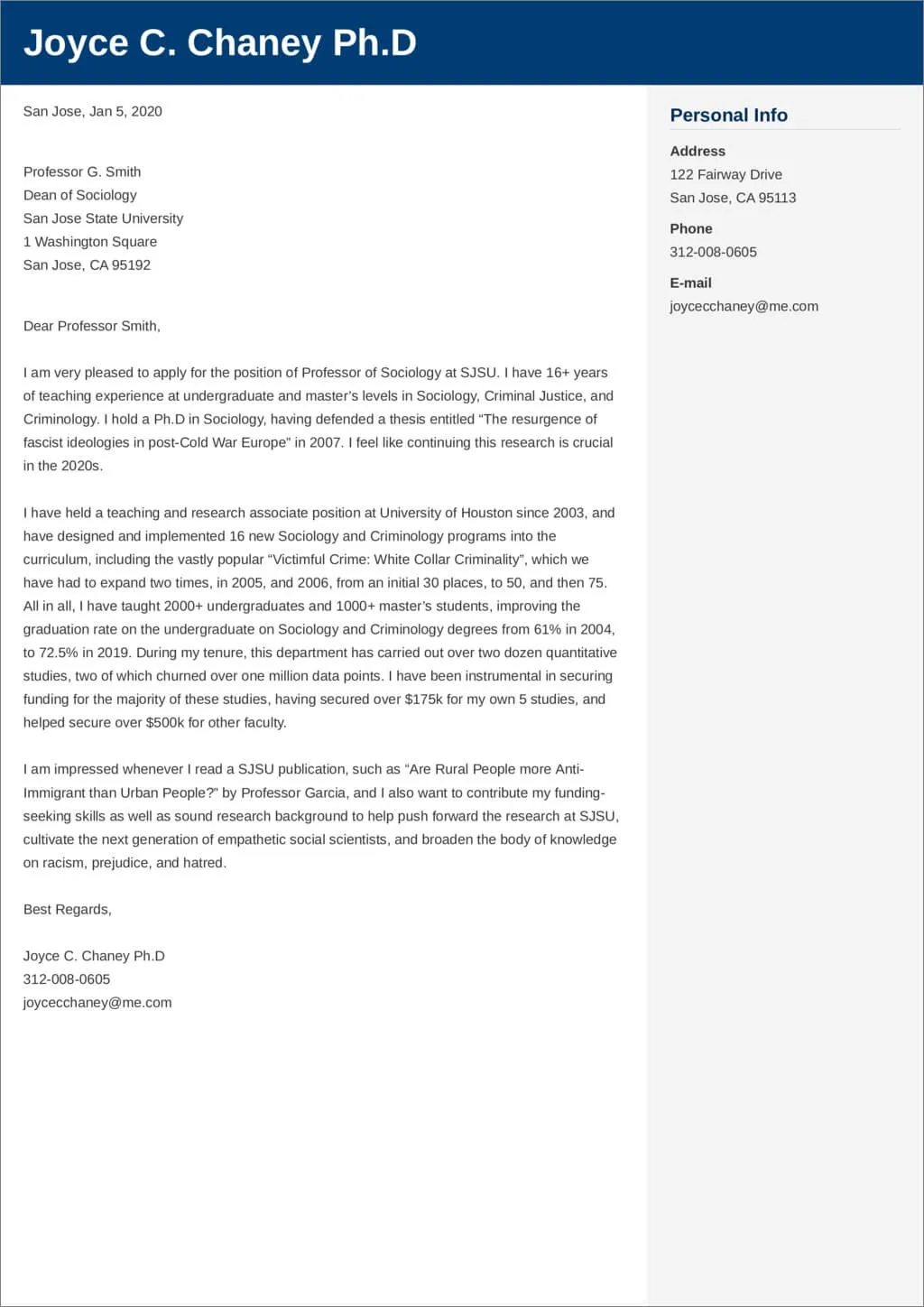
Examples of PhD Cover Letters
Reviewing example cover letters can provide valuable insights. However, it is crucial to avoid direct copying or plagiarism. Instead, use examples as a guide to understand how others have structured their letters and highlighted their experiences. Focus on extracting the structure, style, and key information they used. Adapt the examples to your specific experiences and tailor your letter to the program you are applying to. This will help you create an original and effective cover letter that reflects your unique qualifications.
Cover Letter for STEM PhD Programs

STEM (Science, Technology, Engineering, and Mathematics) PhD cover letters often emphasize technical skills, research experience, and quantitative abilities. Highlight any lab experience, programming skills, or specific techniques you are familiar with. Quantify your achievements whenever possible, using data and metrics to illustrate your impact. Consider mentioning specific publications, presentations, and any awards or scholarships. The goal is to demonstrate a strong foundation in scientific principles and a proven ability to conduct rigorous research.
Cover Letter for Humanities PhD Programs
Humanities PhD cover letters typically focus on writing skills, critical thinking, and analytical abilities. Emphasize your strong writing skills, ability to analyze complex texts, and passion for research. Show your ability to engage in scholarly debate and provide in-depth analysis of research interests. Mention relevant coursework, publications, and any teaching or presentation experience. Highlight your potential to contribute original research and your understanding of the humanities field.
Common Mistakes to Avoid
Generic Letters

Avoid using a generic, one-size-fits-all cover letter. Tailor your letter to each program, highlighting the specific aspects of your background and experience that are most relevant. Showing interest in the university and a professor is essential. Generic letters demonstrate a lack of effort and a lack of genuine interest in the program. Take the time to research each program and customize your letter to showcase your genuine interest.
Typos and Grammatical Errors
Typos and grammatical errors can create a negative impression and undermine your credibility. Proofread your letter carefully, and consider having someone else review it. Errors detract from the overall quality of your application and can make you appear unprofessional. It is essential to ensure that your writing is error-free, demonstrating your attention to detail and your commitment to quality.
Ignoring Instructions
Carefully read and follow all instructions provided by the program. If the program has specific guidelines for the cover letter’s length, formatting, or content, adhere to them precisely. Ignoring instructions demonstrates a lack of attention to detail and can negatively affect your application. Compliance with instructions is crucial.
Final Tips for Success
Seek Feedback
Seek feedback from professors, mentors, and career advisors. Ask them to review your cover letter and provide constructive criticism. Their insights can help you identify areas for improvement and refine your message. Getting multiple perspectives can improve the quality of your application significantly. Their advice can help you highlight your strengths.
Stay Positive and Persistent
The PhD application process can be competitive, so stay positive and persistent. Don’t be discouraged by rejections. View each application as a learning opportunity, and use feedback to improve your future applications. Keep a positive attitude, and approach the process with resilience. Your persistence and dedication will be essential to your success.