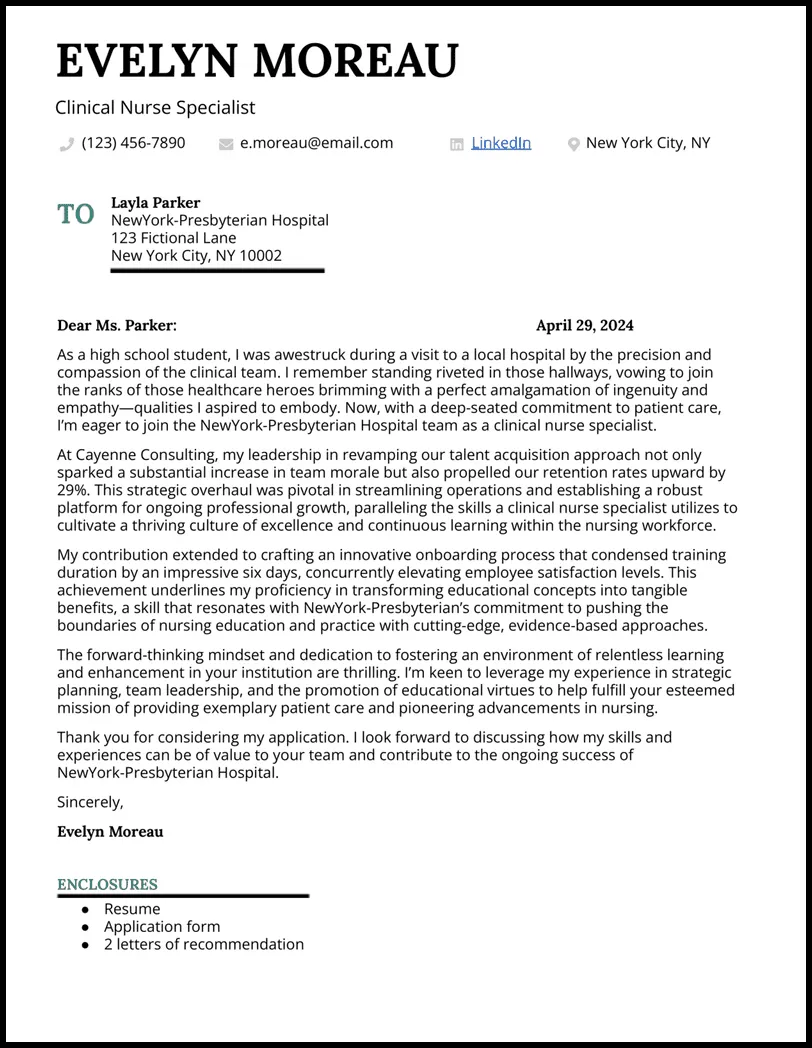
Crafting a Winning Nursing Cover Letter
A well-crafted nursing cover letter is your first opportunity to make a strong impression on potential employers. It’s more than just a formality; it’s your chance to showcase your personality, passion for nursing, and suitability for the specific role. In a competitive job market, a compelling cover letter can significantly increase your chances of landing an interview. This guide provides you with the essential steps and insights to create a nursing cover letter that stands out and helps you win.
Understanding the Importance of a Nursing Cover Letter
Why Cover Letters Are Essential for Nurses

Cover letters serve as a vital bridge between your resume and the hiring manager. They offer a platform to explain your career goals, express your interest in the position and the healthcare facility, and highlight how your skills and experiences align with the employer’s needs. A well-written cover letter demonstrates your communication skills, attention to detail, and genuine interest in the nursing position. It gives you the opportunity to present yourself as a person, not just a list of qualifications.
Highlighting Your Skills and Experience
Tailoring Your Cover Letter to the Job Description
Carefully review the job description and identify the key skills, experiences, and qualifications the employer seeks. Use these keywords and phrases throughout your cover letter to demonstrate that you possess the required competencies. This tailored approach shows that you understand the role and have taken the time to align your application with the employer’s needs. Avoid a generic cover letter; personalize it for each application.
Key Elements of a Successful Nursing Cover Letter

Contact Information and Professional Greeting
Begin with your full name, address, phone number, and professional email address. Then, address the hiring manager by name if possible; research the name through the hospital’s website or LinkedIn. Use a professional greeting such as “Dear Mr./Ms./Dr. [Last Name]” or “Dear Hiring Manager,” and avoid generic greetings like “To Whom It May Concern”.
Writing a Compelling Introduction
Your introduction should immediately grab the reader’s attention. State the position you’re applying for and where you saw the job posting. Briefly mention your most relevant skills or experience and express your enthusiasm for the opportunity. This sets the tone for the rest of your cover letter and encourages the hiring manager to continue reading. Make sure it is concise, and straight to the point.
Showcasing Your Relevant Skills and Experience

In the body of your cover letter, provide specific examples of your skills and experiences that are relevant to the job description. Use the STAR method (Situation, Task, Action, Result) to describe your accomplishments. For instance, describe a situation you faced, the task you were assigned, the actions you took, and the positive results you achieved. This method allows you to demonstrate your abilities in a clear and concise manner.
Quantifying Your Achievements and Contributions
Wherever possible, quantify your achievements with numbers and data. For example, instead of saying “Improved patient care,” say “Improved patient satisfaction scores by 15% through implementation of a new patient communication protocol.” Quantifiable results make your achievements more tangible and impressive to the hiring manager. Always aim for this if you have the data.
Highlighting Relevant Certifications and Licenses
Clearly state your nursing license and any relevant certifications, such as BLS, ACLS, or specialized nursing certifications. Make sure your licenses are up-to-date and valid. Include the issuing organization and the date of certification. This demonstrates that you meet the minimum requirements for the position and possess the necessary qualifications to provide quality patient care. This is an extremely important detail.
Expressing Your Enthusiasm and Interest

Convey your genuine interest in the specific healthcare facility and the nursing position. Explain why you are drawn to this particular organization and what aspects of the role excite you. This demonstrates that you have done your research and are genuinely interested in contributing to their team. Personalize the interest to show a deep connection.
Concluding Your Cover Letter Effectively
Summarize your key qualifications and reiterate your interest in the position. Thank the hiring manager for their time and consideration. Include a call to action, such as stating that you are available for an interview at their earliest convenience. End with a professional closing such as “Sincerely” or “Respectfully,” followed by your name.
Formatting and Proofreading Your Cover Letter
Choosing the Right Font and Formatting Style

Choose a professional and easy-to-read font, such as Times New Roman, Arial, or Calibri, with a font size between 11 and 12 points. Use standard margins (1 inch on all sides) and ensure consistent spacing throughout the document. Properly format your cover letter for easy readability. Make sure that your formatting is attractive and helps to keep the attention of the reader. Here is an example of a nursing cover letter header:
[Your Name] [Your Address] [Your Phone Number] [Your Email Address] [Date] [Hiring Manager Name] [Hiring Manager Title] [Hospital/Organization Name] [Hospital/Organization Address]
Proofreading for Grammar and Spelling Errors
Thoroughly proofread your cover letter for any grammatical errors, spelling mistakes, and typos. These errors can make you appear unprofessional and can damage your credibility. Read your cover letter aloud, and consider asking a friend or colleague to review it for you as well. Proofread and then proofread again. Make sure that your letter is completely polished before sending it.
Avoiding Common Mistakes in Nursing Cover Letters
Generic Cover Letters and Lack of Personalization

Avoid sending a generic cover letter that could be sent to any employer. Always tailor your cover letter to the specific job description and the healthcare facility. Show that you have researched the organization and understand their mission, values, and needs. Hiring managers can quickly spot a generic cover letter, so always personalize.
Focusing Too Much on Duties Instead of Achievements
Instead of simply listing your past duties, focus on your accomplishments and the positive results you have achieved. Use the STAR method to provide specific examples of your skills and experiences, and quantify your achievements whenever possible. Demonstrate how you have made a difference in your previous roles. Avoid only showing your work description.
Failing to Proofread Your Cover Letter
Typos and grammatical errors can undermine your credibility and make you appear unprofessional. Always proofread your cover letter carefully, and consider having someone else review it as well. A polished, error-free cover letter demonstrates your attention to detail and commitment to excellence.
Formatting and Submission Guidelines
Always follow the formatting and submission guidelines provided by the employer. Save your cover letter as a PDF file unless otherwise specified. Use a clear and professional file name, such as “Your Name_Cover Letter.” Submit your cover letter and resume together as a single document whenever possible. If you are submitting your application through an online portal, carefully follow the instructions provided.
By following these guidelines, you can create a nursing cover letter that effectively showcases your qualifications, highlights your passion for nursing, and increases your chances of landing your dream job.