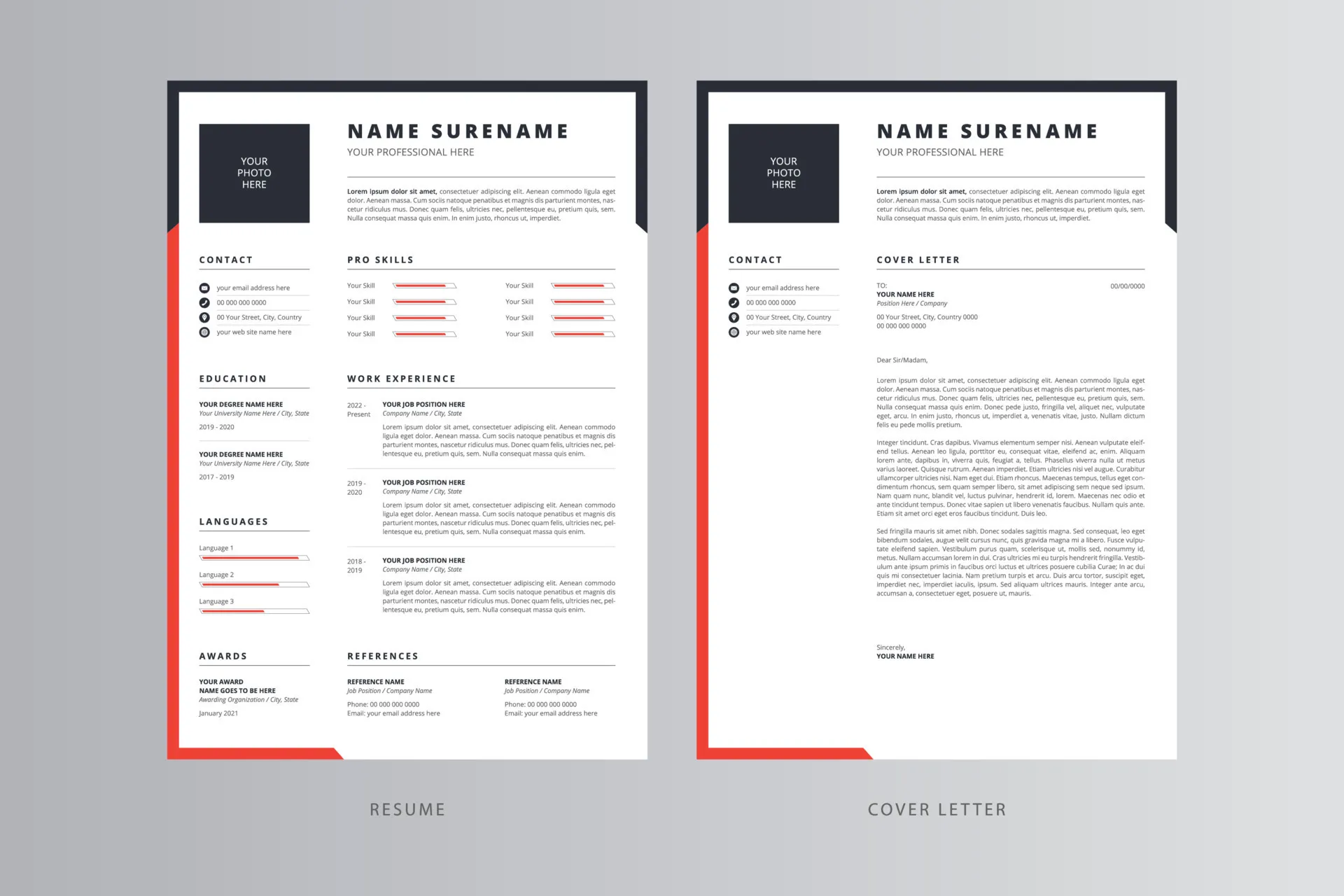
What is a Modern CV Cover Letter
A modern CV cover letter is more than just a formality; it’s your first opportunity to make a strong impression on a potential employer. It serves as an introduction, a personal statement, and a concise summary of why you are the perfect fit for the job. Unlike a resume, which provides a factual overview of your skills and experience, the cover letter allows you to inject personality, express enthusiasm, and demonstrate your understanding of the company’s needs. A well-crafted cover letter can significantly increase your chances of landing an interview, setting you apart from other applicants.
Understanding the Purpose of a Cover Letter
The primary purpose of a cover letter is to persuade the hiring manager to read your resume and consider you for the position. It’s your chance to explain why you’re interested in the role, highlight your most relevant qualifications, and showcase your personality and communication skills. The cover letter demonstrates your ability to communicate effectively in writing, a crucial skill in most professional environments. It also allows you to address any gaps in your resume, explain career changes, or tailor your experience to the specific requirements of the job.
Why is a Modern Cover Letter Important

In today’s competitive job market, a modern cover letter is more important than ever. It allows you to make a personalized connection with the hiring manager, which is crucial in the digital age. A generic or outdated cover letter can be easily overlooked, while a well-crafted one demonstrates that you’ve taken the time to understand the company and the specific role. Modern cover letters are tailored to each job application, reflecting your genuine interest and your understanding of the company’s mission, values, and culture. They highlight your unique value proposition and your ability to solve the company’s problems and contribute to its success.
Key Elements of a Modern CV Cover Letter
A modern cover letter should include several key elements to ensure it’s effective. These elements work together to create a strong first impression and convince the hiring manager to read your resume and consider your application. The key is to be concise, relevant, and enthusiastic, showcasing your ability to contribute meaningfully to the role and the company.
Header & Contact Information
Your header should include your full name, contact information (phone number and professional email address), and sometimes your LinkedIn profile URL. Ensure your contact information is up-to-date and easy to read. It is also important to include the date and the hiring manager’s name and title if known, along with the company’s address. This provides a professional touch and indicates you’ve researched the company.
Personalized Salutation

Avoid generic salutations like “Dear Sir/Madam” or “To Whom It May Concern.” Instead, try to find the hiring manager’s name and use “Dear Mr./Ms. [Last Name].” This shows that you’ve taken the time to personalize your application. If you can’t find the hiring manager’s name, try “Dear [Department Hiring Team]” or something similar that demonstrates your effort.
Compelling Opening Paragraph
The opening paragraph is your chance to grab the reader’s attention. State the position you’re applying for and how you learned about it. Briefly mention why you’re interested in the role and what makes you a good fit. You might also highlight a key accomplishment or a relevant skill that immediately captures the hiring manager’s interest. Make it concise and focused on the value you bring to the company. (See image: compelling-opening-paragraph)
Highlighting Relevant Skills & Experience
In the body of your cover letter, showcase your skills and experience that align with the job requirements. Use specific examples to illustrate your accomplishments and how you’ve used your skills in the past. Focus on the most relevant aspects of your background and quantify your achievements whenever possible. Tailor this section to match the job description, emphasizing the keywords and qualifications the employer is seeking. (See image: skills-and-experience-cover-letter)
Showcasing Achievements and Quantifiable Results

Instead of just listing your responsibilities, focus on your achievements and the results you’ve delivered. Use numbers and data to quantify your accomplishments. For example, instead of saying “Managed social media accounts,” say “Increased social media engagement by 30% within six months.” This demonstrates your ability to make a tangible impact and highlights your value to the company. Quantifiable results make your cover letter more compelling and memorable. (See image: achievement-quantifiable-results)
Expressing Enthusiasm and Company Knowledge
Show that you’re genuinely interested in the company and the role. Mention something specific that attracted you to the company, whether it’s their mission, their products, or their culture. Demonstrate that you’ve done your research and understand the company’s values and goals. This shows that you’re not just applying for any job but are genuinely excited about the opportunity. Tailor your cover letter to demonstrate your passion for the specific company and role.
Crafting a Strong Closing Paragraph
Your closing paragraph should reiterate your interest in the position and thank the hiring manager for their time and consideration. Summarize your key qualifications and express your enthusiasm for the opportunity to discuss your application further. Keep it concise and professional, leaving a lasting positive impression. (See image: cover-letter-closing-paragraph)
Call to Action

Include a clear call to action, such as “I am eager to discuss how my skills and experience can benefit your team” or “I look forward to hearing from you soon.” This encourages the hiring manager to take the next step, increasing your chances of getting an interview.
Formatting and Design Principles
The formatting and design of your cover letter play a significant role in its overall impact. A well-designed cover letter is easy to read, visually appealing, and reflects your attention to detail. It should complement your resume and create a cohesive brand for your application.
Choosing the Right Font and Layout
Choose a professional and readable font such as Arial, Times New Roman, Calibri, or Helvetica. Use a font size between 10 and 12 points. Maintain consistent spacing throughout your document, and use clear headings and subheadings to break up the text and improve readability. A clean layout with adequate white space makes your cover letter more visually appealing and easier for the hiring manager to scan. (See image: modern-cv-cover-letter-design)
Keeping it Concise and Easy to Read

Keep your cover letter concise and to the point, ideally fitting on one page. Use short paragraphs and bullet points to highlight key information and make it easy to scan. Avoid jargon and overly complex language. The goal is to quickly convey your value and make it easy for the hiring manager to understand why you’re a good fit.
Proofreading and Editing
Proofread your cover letter carefully for any typos, grammatical errors, or inconsistencies. Use spell check and grammar check tools, but also read your cover letter aloud to catch any errors you might miss. Ask a friend or career advisor to review your cover letter for clarity and accuracy. A polished cover letter demonstrates your attention to detail and commitment to quality.
Mistakes to Avoid in Your Cover Letter
Avoiding common mistakes is crucial for creating an effective cover letter. These mistakes can undermine your application and leave a negative impression on the hiring manager. Being aware of these pitfalls can help you create a cover letter that makes you stand out. (See image: cover-letter-mistakes-avoid)
Generic and Uninspired Content

Avoid using a generic cover letter that you send to every job application. Tailor each cover letter to the specific job and company. Show that you’ve researched the company and understand the role. Generic content suggests a lack of interest and effort, making it less likely that your application will be considered.
Typos and Grammatical Errors
Typos and grammatical errors are major turn-offs for hiring managers. They demonstrate a lack of attention to detail and professionalism. Always proofread your cover letter carefully and use grammar check tools to ensure your writing is error-free.
Too Long and Wordy
Keep your cover letter concise and to the point. Avoid rambling or including irrelevant information. Hiring managers are busy and want to quickly understand why you’re a good fit. Aim for a one-page cover letter that highlights your most relevant qualifications and accomplishments.
Adapting Your Cover Letter for Different Industries

The approach to writing a cover letter will vary depending on the industry. Understanding these differences can help you tailor your cover letter effectively. Focus on the specific needs and expectations of each field.
Cover Letters for Tech Roles
In the tech industry, emphasize your technical skills, projects, and accomplishments. Highlight your proficiency with specific programming languages, tools, and technologies. Showcase your ability to solve problems and contribute to innovation. Use a clear and concise writing style, and focus on your relevant experience and your understanding of the company’s tech stack.
Cover Letters for Creative Fields
For creative roles, use your cover letter to showcase your creativity and personality. Highlight your portfolio and provide links to your work. Use engaging language and a unique tone to demonstrate your communication skills. Show that you understand the creative industry and have a passion for the field. Your cover letter is a chance to show off your style and creative vision.
Cover Letters for Business and Finance
In business and finance, focus on your analytical skills, financial acumen, and business sense. Quantify your achievements and demonstrate your ability to drive results. Show that you understand the financial industry and can contribute to the company’s financial success. Use a professional and formal tone, and emphasize your understanding of financial concepts and practices.
Tools and Resources to Help You
Several tools and resources can help you write a compelling cover letter. Leveraging these resources can save you time and ensure that your cover letter is professional and effective.
Cover Letter Templates
Cover letter templates can provide a framework for your cover letter and save you time. Many online resources offer free templates that you can customize to fit your needs. Choose a template that aligns with your industry and experience, and customize it to reflect your unique qualifications. (See image: cover-letter-template-example)
Online Cover Letter Builders
Online cover letter builders can guide you through the process of writing a cover letter. These tools provide prompts, suggestions, and formatting options to help you create a professional cover letter. Some cover letter builders also offer feedback on your writing and help you tailor your letter to specific job descriptions.
The Future of Modern CV Cover Letters
The future of modern cover letters is evolving. With the rise of AI and automated applicant tracking systems (ATS), cover letters must be both compelling and optimized for readability by these systems. Personalization and the ability to quickly communicate your value will remain key. Staying informed about industry trends and adapting your cover letter to the changing landscape will be essential for success in the job market.