Transitioning from military service to a civilian career can be a challenging endeavor. One of the most crucial tools in your job-seeking arsenal is a well-crafted cover letter. A strong military cover letter not only showcases your skills and experience but also highlights how your unique background makes you a valuable asset to potential employers. This guide provides essential tips on how to create a compelling cover letter that will impress hiring managers and significantly increase your chances of landing your dream job. Whether you’re a seasoned veteran or a recent graduate, these strategies will help you effectively communicate your qualifications and secure the next step in your professional journey.
Highlighting Your Military Experience
Your military experience is a treasure trove of skills and accomplishments. However, it’s essential to present this information in a way that resonates with civilian employers. This involves translating your military jargon and experiences into terms that are easily understood and valued in the corporate world. Don’t assume that hiring managers are familiar with military ranks, acronyms, or specialized terminology. Instead, focus on the core competencies you’ve developed and how they align with the job requirements. Clearly articulate your roles, responsibilities, and the tangible results you achieved during your service.
Translate Military Skills to Civilian Terms
The key to a successful military cover letter lies in translating your military skills into civilian-friendly language. For instance, instead of using military-specific terms like “executed tactical maneuvers,” you could say “led and coordinated strategic operations.” Similarly, phrases such as “managed a team of 20 personnel” are much more impactful than “supervised a squad.” Focus on the core skills you’ve honed, such as leadership, problem-solving, communication, and adaptability. This translation process helps employers understand the value you bring to the table and how your military experience can benefit their organization.
Identify Transferable Skills

Military service equips individuals with a vast array of transferable skills that are highly sought after in the civilian workforce. Identify these skills and highlight them prominently in your cover letter. These skills may include leadership, teamwork, discipline, time management, communication, problem-solving, and the ability to work under pressure. For example, a military police officer can highlight their skills in conflict resolution and de-escalation. A logistics specialist can emphasize their expertise in supply chain management and inventory control. By clearly identifying and showcasing these transferable skills, you demonstrate your readiness and aptitude for the role.
Quantify Accomplishments
When describing your achievements, always use quantifiable metrics to demonstrate the impact of your work. Instead of saying “improved efficiency,” state “increased operational efficiency by 15%.” Instead of saying “managed a budget,” specify “managed a $1 million budget with zero discrepancies.” Quantifying your accomplishments provides concrete evidence of your abilities and helps employers understand the value you bring. Consider using numbers, percentages, and specific examples to support your claims. This not only makes your cover letter more compelling but also helps you stand out from other candidates.
Formatting Your Cover Letter
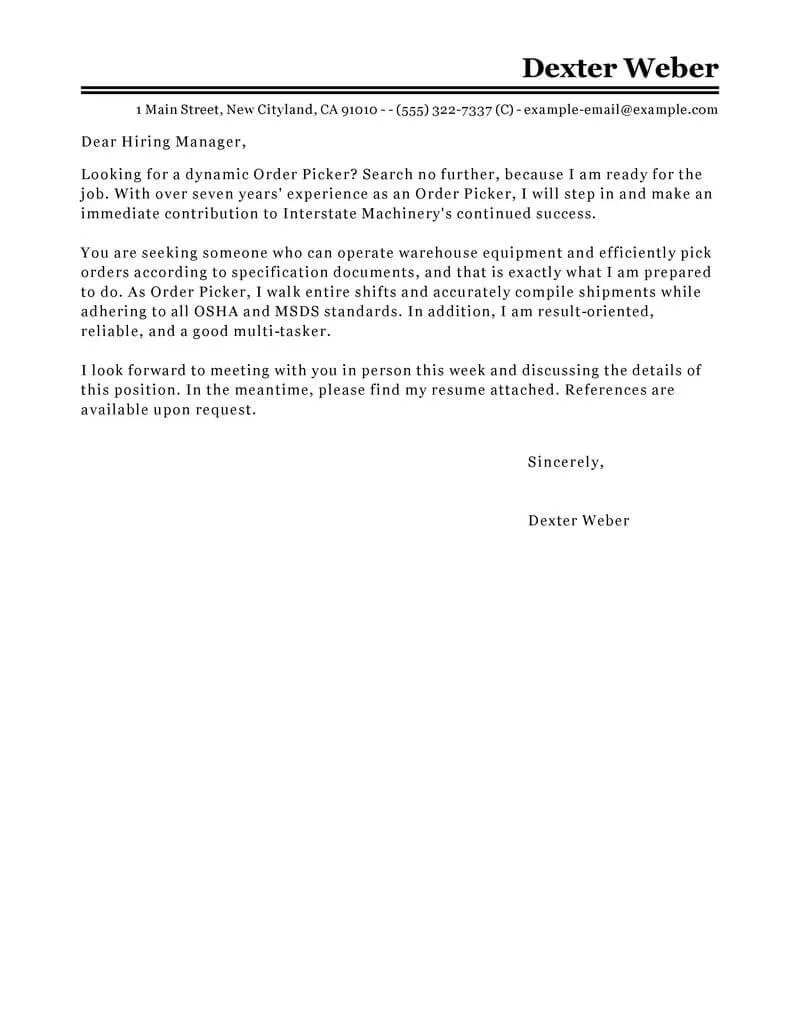
The format of your cover letter is just as important as its content. A well-formatted cover letter is easy to read and visually appealing, making a positive first impression on the hiring manager. Use a professional-looking font and layout that is clean and organized. Avoid clutter and ensure your cover letter is free of any grammatical errors or typos. Your cover letter should be a reflection of your professionalism and attention to detail. Proper formatting demonstrates that you care about the details and take pride in your presentation.
Choosing the Right Font and Layout

Select a professional and easy-to-read font such as Times New Roman, Arial, or Calibri. Keep the font size between 10 and 12 points for optimal readability. Use a standard layout with one-inch margins on all sides. Ensure your cover letter is well-structured, with clear headings and subheadings to guide the reader. Keep paragraphs concise and use bullet points to highlight key information. A clean and organized layout makes it easier for the hiring manager to quickly grasp your qualifications and understand your value proposition. Avoid overly decorative fonts or layouts that can distract from your message.
Using Proper Grammar and Spelling
Grammar and spelling errors can undermine your credibility and give the impression that you lack attention to detail. Always proofread your cover letter carefully before submitting it. Use a spell checker and grammar checker, but don’t rely on them entirely. Read your cover letter aloud to catch any awkward phrasing or grammatical mistakes. Ask a friend or family member to review your cover letter as well. A fresh pair of eyes can often spot errors that you might have missed. A polished and error-free cover letter demonstrates your professionalism and respect for the hiring process.
Tailoring Your Cover Letter to the Job
Generic cover letters are easily spotted by hiring managers, and they often end up in the rejection pile. The most effective cover letters are tailored to the specific job and company you’re applying to. Take the time to research the company, understand its values, and align your skills and experience with the job requirements. This personalized approach demonstrates your genuine interest in the role and increases your chances of getting an interview. Customization is key to making a strong impression.
Researching the Company and Role
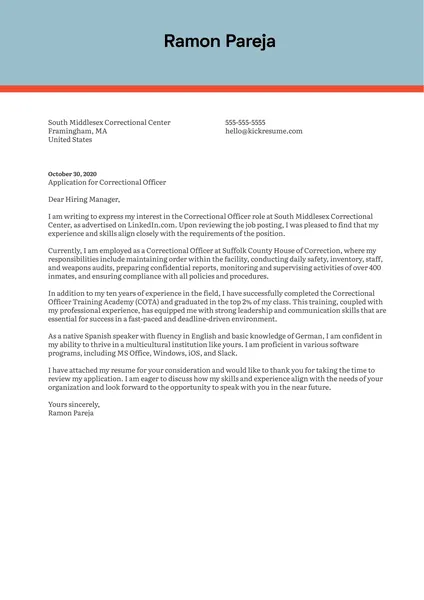
Before writing your cover letter, thoroughly research the company and the specific role you are applying for. Visit the company’s website, read news articles, and review their social media profiles to understand their mission, values, and culture. Carefully review the job description and identify the key skills and qualifications the employer is seeking. This information will help you tailor your cover letter to address the employer’s specific needs and demonstrate that you are a good fit for the company. Showing that you understand the company demonstrates initiative and attention to detail.
Matching Skills to Job Requirements
Once you’ve researched the company and role, carefully compare your skills and experience with the job requirements. Identify the skills and qualifications that align with the job description and highlight them in your cover letter. Use the same keywords and phrases from the job description to demonstrate that you possess the necessary skills and experience. Provide specific examples of how you’ve used these skills in the past and the results you achieved. This targeted approach shows the hiring manager that you understand the role and are capable of performing the job effectively.
Showcasing Leadership and Teamwork
Leadership and teamwork are highly valued in both military and civilian environments. If you have experience in these areas, make sure to highlight them in your cover letter. Provide examples of how you’ve led teams, motivated others, and contributed to a collaborative work environment. Emphasize your ability to work effectively with others, communicate clearly, and resolve conflicts. These skills are essential for success in any professional setting and will make you a more attractive candidate.
Providing Evidence of Leadership Experience

If you’ve held a leadership position in the military, provide specific examples of your leadership skills. Describe your roles and responsibilities, the size of the teams you led, and the results you achieved. For instance, you could mention how you improved team performance, implemented new strategies, or mentored subordinates. Use quantifiable metrics to demonstrate your impact, such as increased productivity or reduced costs. Showcasing your leadership experience provides evidence of your ability to take charge, make decisions, and inspire others.
Demonstrating Teamwork and Collaboration
Teamwork and collaboration are essential for success in any organization. Highlight your ability to work effectively with others and contribute to a collaborative environment. Describe your experiences working on teams, your role in achieving team goals, and your ability to communicate effectively with colleagues. Provide examples of how you’ve resolved conflicts, facilitated communication, and supported your team members. Demonstrating strong teamwork and collaboration skills is critical for any job, particularly in today’s increasingly interconnected workplaces.
Proofreading and Editing Your Cover Letter
Before submitting your cover letter, it is essential to proofread and edit it carefully. Typos, grammatical errors, and inconsistencies can undermine your credibility and leave a negative impression on the hiring manager. Take the time to review your cover letter thoroughly and correct any errors. A well-written and polished cover letter demonstrates your professionalism and attention to detail, significantly increasing your chances of success.
Checking for Errors and Inconsistencies

Thoroughly check your cover letter for any errors or inconsistencies. Review your grammar, spelling, punctuation, and sentence structure. Ensure that your information is accurate and consistent with your resume and the job description. Double-check the company name, the hiring manager’s name, and the job title. Read your cover letter aloud to catch any awkward phrasing or grammatical mistakes. A clean and error-free cover letter demonstrates your attention to detail and commitment to excellence.
Getting Feedback from Others
Ask a friend, family member, or career counselor to review your cover letter. A fresh pair of eyes can often spot errors and provide valuable feedback that you might have missed. Ask for feedback on the clarity, conciseness, and overall effectiveness of your cover letter. Incorporating their suggestions will help you refine your cover letter and make it even more compelling. Receiving feedback can help you identify areas for improvement and ensure your cover letter is as impactful as possible.
In conclusion, crafting a compelling military cover letter is an essential step in the transition to civilian employment. By translating your military experience, highlighting transferable skills, quantifying accomplishments, and tailoring your letter to each job, you can significantly increase your chances of success. Remember to showcase your leadership, teamwork, and proofread meticulously. With these tips, you’ll be well on your way to impressing potential employers and securing your dream job. Good luck with your job search!