Introduction
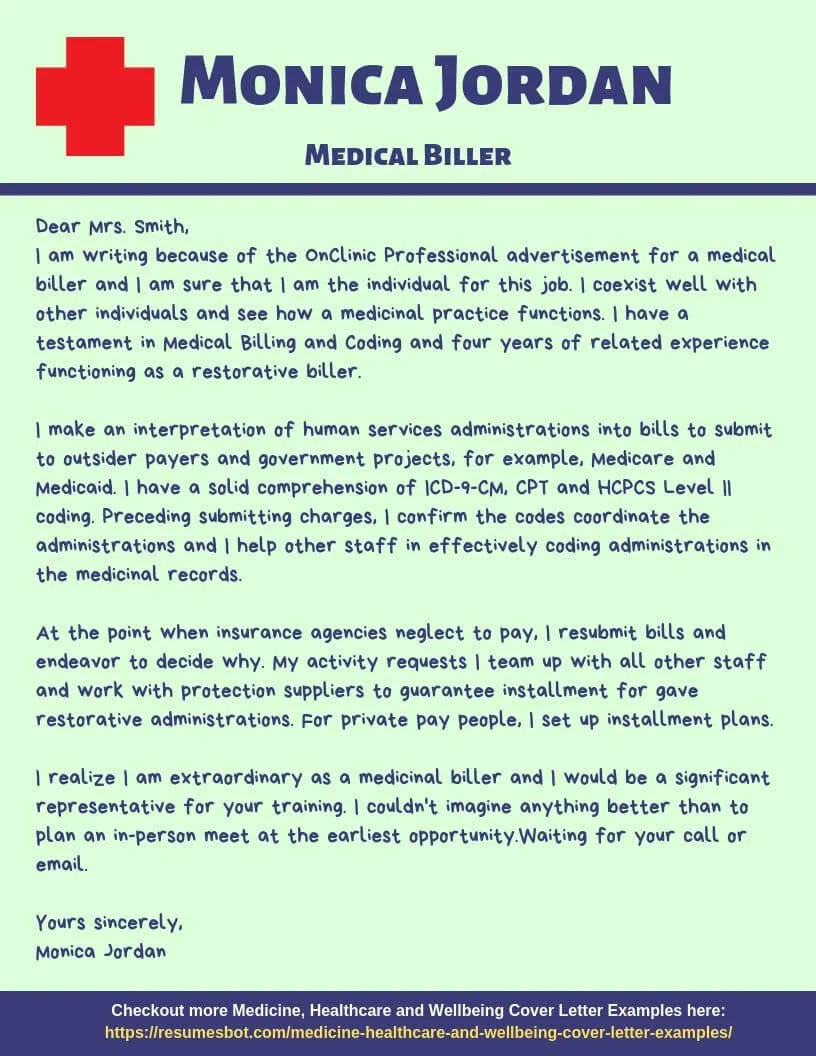
Landing a medical biller position requires more than just qualifications it demands a compelling cover letter. This document is your first impression, your chance to showcase why you are the ideal candidate. A well-crafted cover letter goes beyond simply listing your skills; it demonstrates your understanding of the role, the healthcare industry, and the specific needs of the employer. Highlighting the right skills is crucial, but knowing how to present them effectively can make all the difference. This guide will walk you through the essential skills to include in your medical biller cover letter, helping you create a document that stands out and secures you an interview. The aim is to equip you with the knowledge and tools needed to make a strong impression and successfully navigate the job application process.
Key Skills for a Medical Biller Cover Letter
Your cover letter is a direct reflection of your professional brand. It should highlight the most relevant skills for the medical biller role. Focusing on skills that align with the job description ensures your application speaks directly to the employer’s needs. It is equally important to avoid generic statements and provide specific examples that prove your capabilities. This section breaks down the key skill sets that are highly valued in medical billing. By incorporating these elements into your cover letter, you will signal to potential employers that you have the capabilities to excel in the medical billing field.
Medical Billing Expertise

A strong foundation in medical billing principles is fundamental. This involves a deep understanding of the revenue cycle, from patient registration to claim submission and payment posting. Your cover letter should showcase your grasp of the billing process, including how you ensure accuracy and efficiency. Highlight your experience with different types of insurance claims, such as those related to Medicare, Medicaid, and private insurance companies. Emphasize your knowledge of billing regulations and compliance requirements. Mention any experience with denial management and appeals. These skills make you a valuable asset to any healthcare organization. Also mention experience with electronic health records (EHR) and practice management software. Furthermore, emphasize your ability to work under pressure to meet deadlines.
Coding Proficiency
Medical billers must have a solid understanding of medical coding systems. Familiarity with ICD (International Classification of Diseases), CPT (Current Procedural Terminology), and HCPCS (Healthcare Common Procedure Coding System) codes is essential. Mention any certifications you hold, such as Certified Professional Coder (CPC) or Certified Coding Specialist (CCS). Explain how you ensure accurate coding, including your approach to interpreting medical documentation and selecting the appropriate codes. Describe your experience with coding audits and any steps you take to stay current with coding updates and guidelines. Proficiency in coding ensures accurate claims submission and is critical for financial success in the healthcare setting. Your ability to accurately translate medical services into standardized codes is a key asset.
Claims Processing Experience
Practical experience in claims processing is highly desirable. Describe your experience with submitting claims electronically and manually. Outline your familiarity with different payer systems and their specific requirements. Include details of your ability to review and edit claims for accuracy before submission. Explain how you handle claim rejections and denials, including your experience with appealing denied claims. Provide examples of your experience working with clearinghouses and how you ensure clean claim submissions. Your ability to efficiently manage claims and resolve issues is vital to the smooth operation of the billing process and helps minimize delays in payment, which in turn improves the organization’s cash flow.
Insurance Knowledge

A comprehensive understanding of insurance plans and policies is critical for a medical biller. Your cover letter should reflect your familiarity with various insurance types, including managed care plans, government programs, and private insurance providers. Discuss your experience verifying patient insurance coverage, benefits, and eligibility. Explain how you handle pre-authorization requirements and any experience you have with insurance claim follow-up. Mention your ability to explain insurance coverage and benefits to patients clearly. Your knowledge of insurance policies helps ensure that claims are submitted correctly and that payments are received promptly. Being able to navigate the complexities of health insurance plans is a key aspect of your role.
Attention to Detail
Medical billing demands a high degree of accuracy. Emphasize your meticulous approach to work and your ability to avoid errors. Provide examples of how you double-check data, review claims for accuracy, and identify and correct errors. Mention your experience with data entry and any systems you use to ensure precision. Highlight your ability to maintain organized records and meet deadlines. Attention to detail is crucial for accurate claims submissions and the timely reimbursement of healthcare services. The success of billing operations relies on precision, so showcasing your commitment to accuracy can set you apart.
Communication Skills
Effective communication is key in medical billing. Your cover letter should reflect your ability to communicate clearly and concisely, both in writing and verbally. Mention your experience communicating with patients, insurance companies, and healthcare providers. Explain your ability to handle sensitive information and resolve issues professionally. Include examples of how you explain billing information to patients or how you negotiate with insurance companies. Strong communication skills enhance teamwork and contribute to better patient relations. These skills are necessary to ensure that everyone involved understands the billing process. Furthermore, highlight your ability to communicate with different audiences.
Software Proficiency

Medical billers frequently use a variety of software applications. List any practice management software, billing software, or electronic health record (EHR) systems that you are familiar with. Highlight your experience with these systems and any training you have received. Mention your ability to quickly learn and adapt to new software. Include any experience with Microsoft Office Suite (Word, Excel). Knowing these systems streamlines the billing process, so showcasing your proficiency here can give you an advantage. Be specific about the software, mentioning the name and versions where applicable. Experience in specific billing software reduces the learning curve, allowing you to become productive sooner.
Organizational Skills
Medical billing requires strong organizational abilities to manage numerous claims and deadlines effectively. Highlight your ability to prioritize tasks, manage your time, and keep detailed records. Provide examples of how you stay organized. Mention any systems or methods you use to track claims, manage deadlines, and file documents. Explain how you meet deadlines in a fast-paced environment. Effective organization prevents errors and increases efficiency. This helps maintain an orderly work environment. Furthermore, organizational skills allow you to handle multiple tasks simultaneously while adhering to established deadlines.
Highlighting Skills in Your Cover Letter
Once you have identified the skills to highlight, you need to showcase them effectively in your cover letter. This section focuses on how to present these skills in a clear and compelling way. Use keywords from the job description to tailor your letter and provide specific examples to illustrate your abilities. Consider using a skills-based cover letter format to emphasize your qualifications. Your goal is to make it easy for the employer to quickly assess your suitability for the role. By adopting a strategic approach, you can elevate your cover letter and dramatically improve your chances of securing an interview.
Quantifying Achievements

Whenever possible, quantify your achievements to demonstrate your impact. Instead of saying, “I managed claims,” provide figures such as “Processed an average of 50 claims daily” or “Reduced claim denial rates by 15% within six months.” Use numbers to show your success and the value you bring to a team. Quantifying your accomplishments makes your skills more tangible and impactful. Include data that shows how your skills have positively affected previous employers. Furthermore, this helps to highlight your efficiency and effectiveness in the role.
Tailoring to the Job Description
Carefully review the job description and tailor your cover letter to match the specific requirements of the position. Identify the key skills and qualifications the employer is seeking and ensure that you address these points. Use the same keywords and phrases from the job description to demonstrate that you meet their needs. Customize your cover letter for each job application. Tailoring your cover letter demonstrates that you understand the role and are genuinely interested. Customization shows you’ve invested the time to understand the position and are not using a generic template. Moreover, tailor your letter to address the specific needs of each role.
Formatting Your Cover Letter
The format of your cover letter is just as important as its content. A well-formatted cover letter is easy to read and makes a positive first impression. Use a professional font, such as Times New Roman or Arial, and maintain consistent formatting throughout the document. Keep your cover letter concise, ideally within one page. Break up text with headings and bullet points to improve readability. Proofread carefully for any typos or grammatical errors. Formatting enhances the professionalism of your application. A polished and professional presentation enhances your credibility and increases the chances of your cover letter being read carefully. Following these guidelines will help you make a strong impression with your application.
Conclusion

Writing a successful medical biller cover letter involves more than just listing skills; it is about effectively showcasing your qualifications and demonstrating your value. By including the essential skills discussed in this guide, quantifying your achievements, tailoring your letter to each job description, and using proper formatting, you can create a cover letter that grabs the attention of potential employers. Take the time to create a compelling narrative that highlights your experience and passion for medical billing. Good luck in your job search. Remember that your cover letter is your advocate and is a reflection of your professionalism. By creating a strong cover letter, you are taking the first step toward securing your dream job in the healthcare industry.