Understanding the Importance of a Cover Letter
A cover letter serves as your first introduction to a potential employer. It’s your chance to make a strong first impression and convince the hiring manager to read your resume. Think of it as your personal sales pitch, where you highlight your most relevant skills and experiences. A well-written cover letter can significantly increase your chances of landing an interview, while a poorly written one can lead to immediate rejection. In today’s competitive job market, a cover letter is often a crucial differentiator, allowing you to stand out from the crowd and showcase your unique value proposition. It is a space to tell your story, explain why you’re the perfect fit, and demonstrate your enthusiasm for the specific opportunity.
Why a Cover Letter is Essential for Your Job Application
Many job seekers underestimate the power of a cover letter, but it’s an indispensable part of your job application. It provides context to your resume, connecting your past experiences to the specific requirements of the job. It allows you to elaborate on your skills and accomplishments, demonstrating how you’ve contributed to previous successes. A cover letter shows that you’ve taken the time to research the company and understand its needs. It also showcases your communication skills, which is crucial for any professional role. Furthermore, it reveals your personality and your passion for the opportunity, setting you apart from candidates who might only submit a resume. It is an additional tool for you to make your mark.
Highlighting Your Skills and Experience

Your cover letter should not simply reiterate what’s already in your resume; instead, it should expand upon it. Identify the key skills and experiences that align with the job description. Use specific examples to demonstrate how you’ve utilized these skills in the past and the positive outcomes you achieved. Quantify your accomplishments whenever possible to make your achievements more impactful. For instance, instead of saying you ‘managed projects,’ you could say you ‘managed projects, delivering them on time and under budget, resulting in a 15% increase in efficiency.’ This level of detail is what makes your cover letter memorable and compelling to the reader. Emphasize skills which are essential to the role.
How to Tailor Your Cover Letter to the Job
Generic cover letters rarely make a positive impact. Customizing your cover letter for each job application is essential. Carefully review the job description and identify the key qualifications the employer is seeking. Then, highlight the skills and experiences that directly match these requirements. Use the same keywords and phrases from the job description to demonstrate that you understand the role and its expectations. This shows that you’ve taken the time to understand the specific needs of the company and are genuinely interested in the position. Tailoring shows that you are not mass applying but instead, are applying for a specific job with a specific employer.
Researching the Company and Its Culture
Before you start writing, research the company you’re applying to. Understand their mission, values, and recent activities. This information helps you to personalize your cover letter and demonstrate your genuine interest in the organization. Look at their website, social media profiles, and any news articles about the company. Use this information to show that you understand their business and how your skills can contribute to their success. For example, if the company values innovation, you can highlight your experience with creative problem-solving. Mentioning specific projects or initiatives the company is involved in shows you’ve done your homework and are not just sending out a generic application.
Structuring Your Cover Letter Effectively

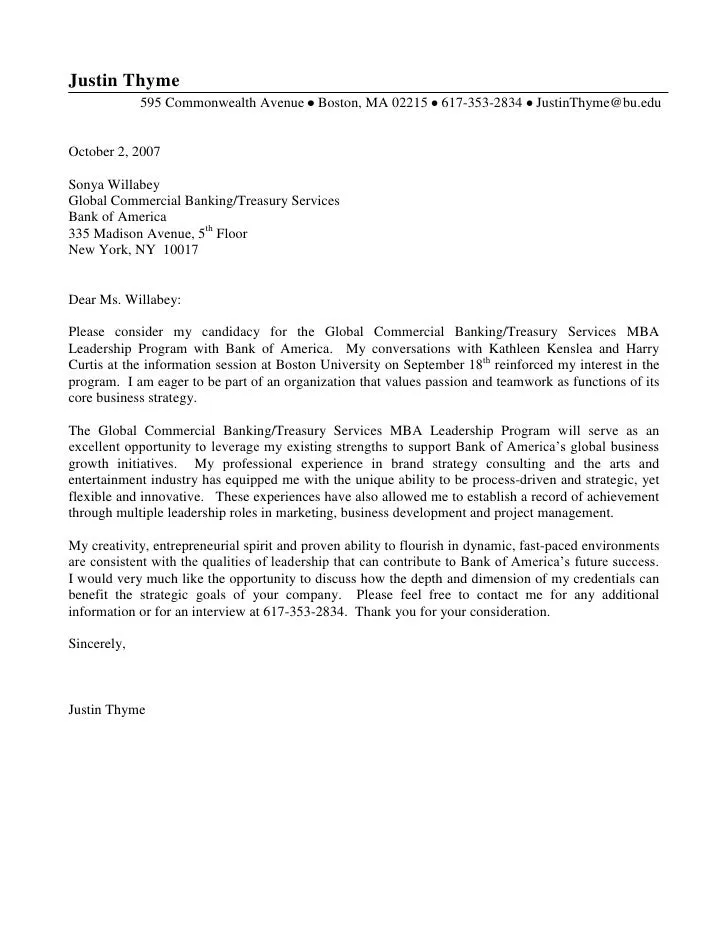
A well-structured cover letter is easy to read and makes a strong impact. Start with a professional heading, including your contact information and the date. Then, address the hiring manager by name if possible, or use a formal greeting like ‘Dear Hiring Manager’. Your letter should consist of an introductory paragraph, followed by one or two body paragraphs, and a strong closing paragraph. Each paragraph should focus on a specific aspect of your qualifications and skills. Use clear and concise language, and avoid jargon. Aim for a letter that is no more than one page in length. Make sure to also proofread every sentence!
Crafting a Compelling Opening Paragraph
The opening paragraph of your cover letter is critical; it sets the tone and grabs the reader’s attention. Start with a strong statement that immediately highlights your interest in the position and the company. Mention where you saw the job posting and briefly state why you’re a good fit. You can also mention a mutual connection or a specific project that aligns with the company’s work. Avoid generic opening lines like ‘I am writing to express my interest.’ Instead, try something more engaging and specific, such as ‘I am writing to express my strong interest in the Marketing Manager position advertised on [Platform], as my experience in [specific area] aligns perfectly with your company’s goals.’ This grabs attention and encourages the reader to continue.
Showcasing Your Achievements and Accomplishments
Use the body paragraphs to showcase your relevant achievements and accomplishments. Don’t just list your job duties; instead, focus on the results you’ve achieved. Use the STAR method (Situation, Task, Action, Result) to structure your examples. Briefly describe the situation, the task you were assigned, the action you took, and the positive result you achieved. Quantify your accomplishments whenever possible to make them more impactful. For example, you could say ‘Increased sales by 20% within six months’ rather than simply ‘Improved sales.’ This approach demonstrates your value and how you can contribute to the company’s success.
Using Action Verbs to Describe Your Skills

When describing your skills and experiences, use strong action verbs. Action verbs bring your achievements to life and make your cover letter more dynamic and engaging. Instead of using passive language, use active verbs to show what you did and how you did it. For example, instead of ‘Responsible for managing projects,’ write ‘Managed and successfully delivered projects on time and under budget.’ Examples of effective action verbs include ‘achieved,’ ‘developed,’ ‘implemented,’ ’led,’ ‘managed,’ ‘created,’ ‘increased,’ ‘improved,’ and ’transformed’. Using active language makes your cover letter more compelling and showcases your abilities effectively.
Writing a Strong Closing Paragraph
The closing paragraph should reiterate your interest in the position and express your eagerness to learn more. Thank the hiring manager for their time and consideration. Reiterate your contact information and include a call to action, such as ‘I look forward to the opportunity to discuss my qualifications further in an interview.’ Avoid generic closing statements such as ‘Thank you for your time.’ Instead, express genuine enthusiasm for the opportunity. A strong closing paragraph leaves a lasting positive impression and encourages the hiring manager to contact you.
Proofreading and Editing Your Cover Letter
Before submitting your cover letter, proofread it carefully. Errors in grammar and spelling can damage your credibility. Read the letter multiple times, and consider using a grammar checker or asking a friend to review it. Pay close attention to the details, such as the company name, the job title, and the hiring manager’s name. Ensure that the formatting is consistent and easy to read. A polished cover letter shows attention to detail and professionalism. Make sure your cover letter is ready to go before sending it out to an employer.
Common Mistakes to Avoid in Your Cover Letter

Avoid common mistakes that can undermine your cover letter. Don’t simply repeat your resume. Avoid using generic templates without personalizing them. Don’t use jargon or overly complex language. Be truthful about your skills and experience. Avoid typos and grammatical errors. Do not make the letter too long; aim for one page. Do not use negative language or criticize previous employers. And finally, always tailor your cover letter to each specific job and company. By avoiding these common pitfalls, you’ll significantly increase your chances of making a positive first impression and getting an interview.