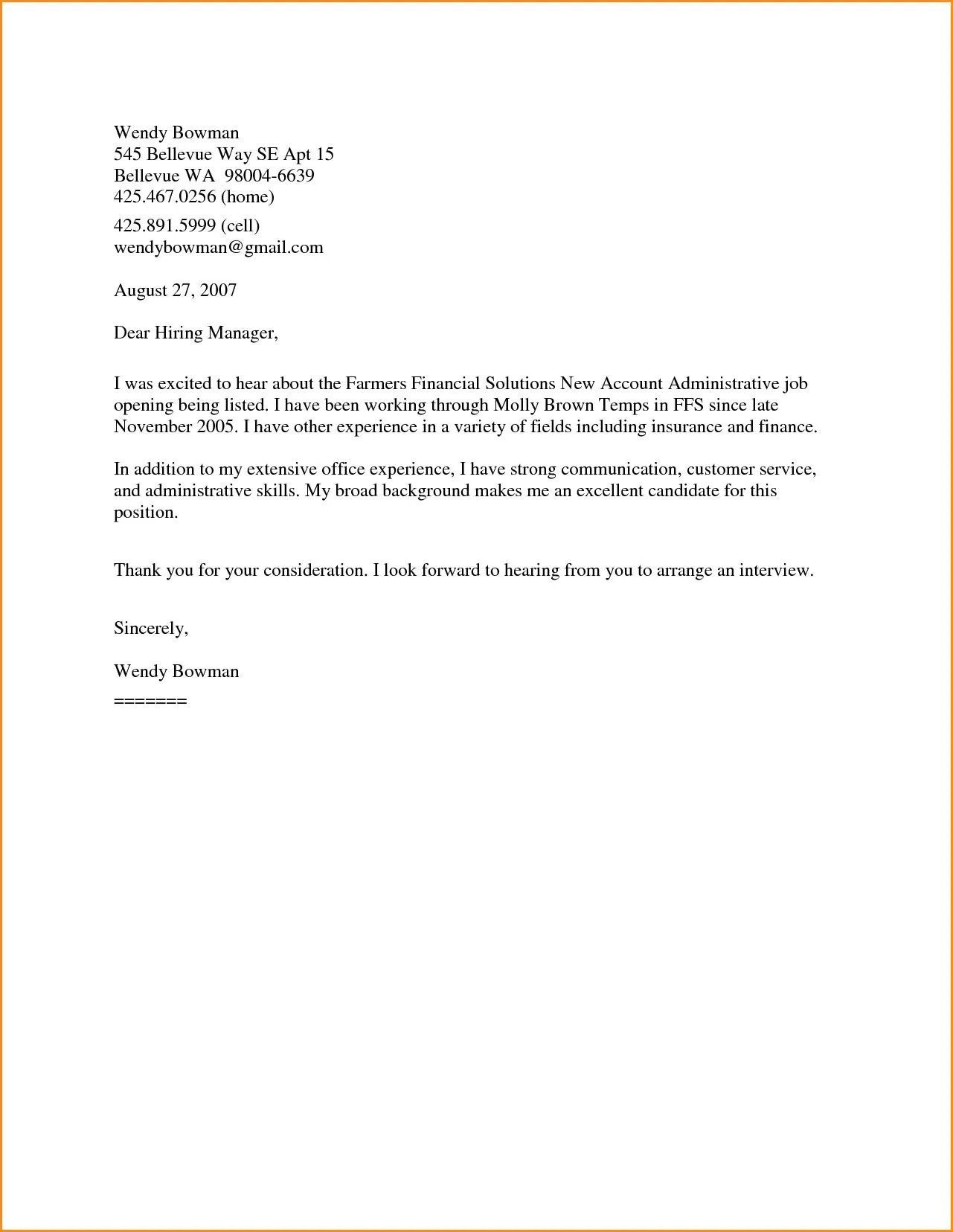
The Purpose of a Job Application Cover Letter
A well-crafted job application cover letter serves as your first impression, a crucial introduction that can significantly impact whether you’re invited for an interview. It’s more than just a formality; it’s your opportunity to provide context to your resume, elaborate on your skills, and demonstrate your genuine interest in a specific role and company. In essence, the cover letter acts as a personal marketing tool, allowing you to showcase your personality, highlight relevant experience, and articulate why you are the ideal candidate. A compelling letter captures the hiring manager’s attention, encouraging them to delve deeper into your qualifications and consider you as a potential fit for their team. It’s a chance to make a strong initial impact and set yourself apart from other applicants, ensuring that your application receives the careful consideration it deserves. Think of your cover letter as the bridge that connects your past experiences to the future opportunity. This is your opportunity to not just apply for the job but to begin building the foundation for a new career path.
Why Is a Cover Letter Important?
In a competitive job market, a cover letter provides the means to stand out. It offers a personal touch that a resume, by nature of its standardized format, cannot. A cover letter lets you explain gaps in employment, address specific requirements mentioned in the job description, and illustrate your understanding of the company’s values and objectives. It allows you to tell a story, connecting your experiences with the needs of the employer, demonstrating not just your qualifications but also your passion and commitment. Including a well-written cover letter shows employers that you’re willing to put in extra effort and care about the opportunity. It reveals your communication skills and shows your writing ability. The cover letter shows that you’re not just sending out applications but actively seeking the specific role. The cover letter is a document that allows you to leave a good first impression.
What Information Should You Include?

A compelling cover letter includes several key elements. Start with a personalized greeting, addressing the hiring manager by name whenever possible to demonstrate that you’ve researched the company and the role. Then, clearly state the position you’re applying for and how you learned about it. In the body, highlight the skills and experiences that align with the job requirements, using specific examples to illustrate your achievements and capabilities. Don’t simply restate your resume; instead, expand on the details provided. Showcasing your achievements is about more than just listing your past job responsibilities. Quantify your accomplishments whenever you can. Conclude by expressing your enthusiasm for the opportunity and a call to action, such as stating your availability for an interview. Finally, proofread it thoroughly to avoid spelling and grammatical errors. The combination of tailored content and careful presentation makes you stand out. Be sure to showcase achievements relevant to the role and highlight the value you can bring to the company.
Top 5 Secrets to a Winning Cover Letter
Secret 1 Tailor Your Letter
One of the most important secrets to a successful cover letter is personalization. Sending a generic letter is a common mistake. Always tailor your cover letter to each specific job application. This means carefully reviewing the job description and aligning your skills and experiences with the requirements outlined. Show that you understand the company’s mission, values, and culture. Mention specific projects, initiatives, or company achievements that resonate with you, demonstrating that you’ve done your research. A tailored letter shows that you’re genuinely interested in the role and not just applying for any available position. Customization makes a strong impression and shows you have taken the time to apply for that specific role. The more tailored the content is, the more likely your cover letter will make a strong impression. A customized cover letter is like wearing a well-fitted suit rather than a generic one.
Understanding the Role

To effectively tailor your letter, you need to deeply understand the role you’re applying for. Carefully analyze the job description to identify the key skills, qualifications, and responsibilities. Determine which of your experiences and skills directly align with the employer’s needs. This requires more than a quick glance. Break down the job description and ask yourself, ‘What are the most important requirements?’ and ‘How can I demonstrate that I meet those requirements?’ Use the language from the job description in your cover letter to show that you understand the role. By demonstrating that you understand and meet the job’s requirements, you’re showing the recruiter or hiring manager that you have taken the time to tailor your resume and cover letter.
Demonstrating Relevant Skills
Once you understand the role, it’s time to demonstrate your relevant skills. Instead of simply listing your skills, provide specific examples of how you’ve used those skills in the past. Use the STAR method (Situation, Task, Action, Result) to provide context. For example, if the job description highlights ‘project management,’ you could describe a project you managed, the tasks you performed, the actions you took, and the positive outcomes you achieved. By providing concrete examples, you bring your skills to life and make them more memorable and persuasive. This approach transforms your resume into a narrative, allowing the hiring manager to visualize your capabilities and understand how you can contribute to the company’s success. Provide evidence of your accomplishments and describe how your skills and qualifications match their requirements.
Secret 2 Highlight Achievements
Rather than simply listing your responsibilities, focus on highlighting your achievements. Employers are more interested in what you have accomplished than in what you were asked to do. Your cover letter should showcase your successes, demonstrating your value to the company. Quantify your achievements whenever possible, using numbers and data to illustrate the impact of your work. For instance, instead of saying ‘Increased sales,’ you could write ‘Increased sales by 15% in six months.’ Use action verbs to describe your accomplishments and provide clear evidence of your successes. Highlight those things that demonstrate you can get the job done. This approach shows the hiring manager that you’re results-oriented and can make a positive impact on their team.
Quantifying Your Accomplishments

Quantifying your achievements is a powerful way to make your cover letter more impactful. Instead of vague statements, use numbers, percentages, and data to illustrate your successes. For example, if you improved efficiency, state by how much. If you saved the company money, specify the amount. This provides concrete evidence of your skills and abilities and helps the hiring manager understand the tangible value you can bring to the role. Be specific and avoid generalities. Quantifiable achievements provide an objective measure of your capabilities and provide more confidence in your abilities. Numbers give the hiring manager a real sense of the value that you can bring to their team. By adding numbers, you make it easy for the hiring manager to recognize your accomplishments and imagine you working on their team.
Using Action Verbs
Action verbs are essential for creating a dynamic and engaging cover letter. Start each bullet point or sentence with a strong action verb to describe your accomplishments and responsibilities. Action verbs make your writing more active and demonstrate your capabilities. For example, instead of ‘Responsible for managing projects,’ use ‘Managed projects, delivering them on time and under budget.’ Using strong verbs makes your cover letter more compelling. Common action verbs include ‘achieved,’ ’led,’ ‘managed,’ ‘developed,’ ‘implemented,’ and ‘improved.’ The right action verbs highlight your skills and describe what you did at your previous jobs. The use of action verbs in your cover letter ensures that you communicate your contributions and make an instant impact.
Secret 3 Show Enthusiasm
Demonstrate your genuine enthusiasm for the position and the company. Employers want to hire individuals who are passionate about their work and eager to contribute to the company’s success. Your enthusiasm should shine through in your tone and language. Express your interest in the specific role and the opportunities it presents. Research the company thoroughly, and mention specific aspects of its mission, values, or recent achievements that resonate with you. This shows that you are genuinely interested in the company and not simply looking for any job. The more enthusiastic you sound, the better. Enthusiasm will help you stand out and make a strong connection with the hiring manager.
Expressing Genuine Interest

Expressing genuine interest involves more than just stating you want the job. It requires showing that you understand the role, the company, and the industry. Mention specific aspects of the job that excite you and the skills you hope to use or develop. Show that you have researched the company and are impressed by its work, culture, or values. Relate your experience to the company’s goals and highlight how your skills and experience align with their needs. Make sure to use some of the company’s language in your application. Your cover letter will come across as genuine by demonstrating that you understand the company’s position within the industry.
Researching the Company
Thoroughly research the company before you start writing your cover letter. Visit their website, read their ‘About Us’ page, and explore their social media profiles. Identify their mission, values, and recent achievements. Look for news articles, press releases, or industry reports that can help you understand the company’s current initiatives and challenges. This research will enable you to tailor your cover letter to the company’s specific needs and demonstrate that you understand their business. Your understanding of the company shows initiative and genuine interest. By showing that you have done your homework, you immediately position yourself as a more attractive candidate.
Secret 4 Proper Formatting is Key
A well-formatted cover letter is visually appealing and easy to read. Proper formatting ensures your letter is professional and polished, reflecting your attention to detail and organizational skills. Choose a professional font, such as Arial, Calibri, or Times New Roman, and use a consistent font size (11 or 12 points) throughout the document. Use clear headings, bullet points, and white space to break up large blocks of text and make your letter easier to scan. Use a consistent format for dates, addresses, and contact information. Ensure your letter is aligned correctly, usually left-aligned, with a professional layout. Good formatting enhances readability and makes a great impression.
Font Selection and Readability

The font you choose significantly impacts readability and the overall impression your cover letter makes. Select a clear, professional font that is easy to read. Avoid overly ornate or casual fonts. Arial, Calibri, and Times New Roman are popular and recommended choices. The font size should be between 11 and 12 points to ensure that the text is legible without appearing too large. Maintain a consistent font throughout your letter to avoid a cluttered appearance. Ensure that the font size is suitable for all audiences. Choosing the right font helps make your application appear clean, professional, and easy to read.
Maintaining a Professional Tone
Maintain a professional tone throughout your cover letter. This means using formal language, avoiding slang, and refraining from using overly casual or informal expressions. Proofread your letter carefully to eliminate any grammatical errors, typos, or inconsistencies. Your tone should be respectful, enthusiastic, and confident, but not arrogant. Your goal is to strike a balance that is professional, engaging, and shows that you take this opportunity seriously. A professional tone demonstrates your ability to communicate effectively in a business environment and enhances your credibility. Your professionalism increases your chances of getting the job.
Secret 5 Proofread Meticulously
Proofreading is crucial for creating a professional cover letter. Errors in grammar, spelling, or punctuation can undermine your credibility and make a negative impression on the hiring manager. Take the time to carefully proofread your letter, checking for any mistakes. Read your letter aloud to catch any awkward phrasing or unclear sentences. Proofreading ensures your letter communicates your thoughts clearly and that you are diligent in your work. Proofreading demonstrates your attention to detail and your commitment to producing high-quality work. Take the time to proofread; it is the final step to success.
Checking for Grammar and Spelling Errors

Always check your cover letter for grammar and spelling errors. Even minor mistakes can give the impression that you lack attention to detail or that you are not serious about the application. Use a spell checker and grammar checker to identify and correct any errors. However, don’t rely solely on these tools; they can sometimes miss errors or suggest incorrect corrections. Carefully review your letter manually, paying attention to punctuation, sentence structure, and word choice. Ensure that your sentences are clear, concise, and grammatically correct. Correct grammar and spelling create a professional image and show that you are diligent in your work.
Getting a Second Opinion
It’s always a good idea to have someone else review your cover letter. Ask a friend, family member, mentor, or career counselor to read your letter and provide feedback. A fresh pair of eyes can spot errors or areas for improvement that you might have missed. They can also provide valuable insights on the clarity, tone, and effectiveness of your writing. Ask them to check for any grammatical errors, awkward phrasing, or unclear sentences. They can also assess if your letter effectively conveys your skills and qualifications and demonstrates your enthusiasm. Getting a second opinion can significantly improve your cover letter and increase your chances of success.
Key Takeaways from Top 5 Secrets
Crafting a winning job application cover letter involves several key elements, including personalization, highlighting achievements, showing enthusiasm, proper formatting, and meticulous proofreading. Tailoring your letter to each job demonstrates your genuine interest and understanding of the role. Highlighting achievements with quantifiable results showcases your value and makes a strong impression. Expressing enthusiasm and researching the company further demonstrates your commitment and passion. Proper formatting and proofreading ensure your letter is professional and error-free. By applying these secrets, you can create a cover letter that stands out and significantly increases your chances of landing an interview. Always take the time to craft your cover letter carefully.