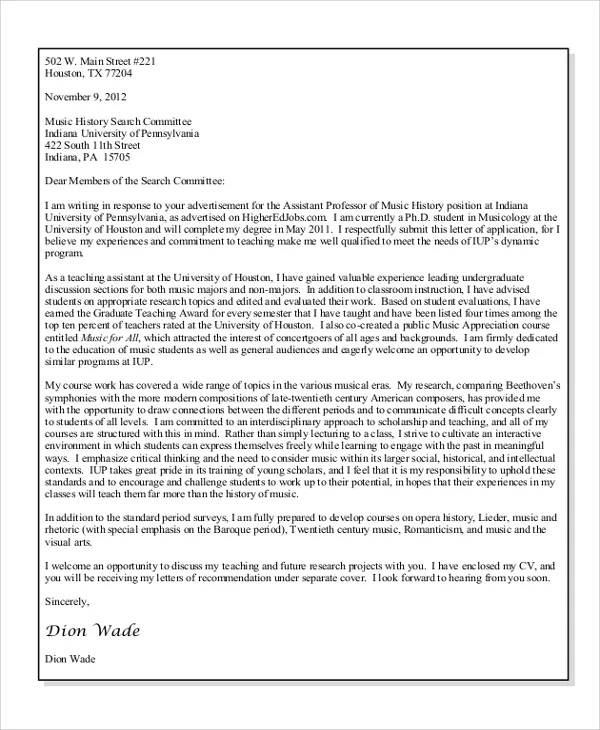
What is a Cover Letter?
A cover letter is a crucial document that accompanies your resume when applying for a job. It serves as your introduction to the hiring manager, providing an opportunity to showcase your personality, skills, and enthusiasm for the position. Unlike a resume, which presents a factual summary of your experience, a cover letter allows you to tell a story, explain why you’re a good fit, and express your interest in the specific role and company. A well-crafted cover letter can significantly increase your chances of getting an interview.
Why Cover Letters Matter
Cover letters are often the first thing a hiring manager sees, and they play a vital role in the job application process. They offer a space to elaborate on your qualifications, connect your skills to the job requirements, and demonstrate your understanding of the company’s needs. A compelling cover letter grabs the reader’s attention, highlights your unique value proposition, and provides context that a resume alone cannot convey. Many employers view a cover letter as a key indicator of your communication skills, attention to detail, and genuine interest in the opportunity.
Cover Letter Structure — Key Components

A well-structured cover letter follows a standard format to ensure clarity and professionalism. The key components work together to present a complete picture of you as a candidate. By including each element, you’ll be able to showcase your abilities to their fullest. Remember that an organized letter is a sign of an organized candidate.
Your Contact Information
Start with your contact information at the top. Include your full name, phone number, email address, and optionally, your LinkedIn profile URL. This makes it easy for the hiring manager to reach you.
Date and Recipient Information
Below your contact information, include the date and the hiring manager’s name, title, and the company’s address. If you don’t know the hiring manager’s name, try to find it on the company website or LinkedIn. If you can’t find a specific name, use a professional salutation like ‘Dear Hiring Manager’.
Salutation

Use a professional salutation such as ‘Dear Mr./Ms./Mx. [Last Name]’ or ‘Dear Hiring Manager’. Always address the person by name if possible. It adds a personal touch to the letter.
The Body of Your Cover Letter
The body of your cover letter is where you make your case for why you’re the best candidate. It should be concise and engaging, typically consisting of three to four paragraphs. Each paragraph has a specific purpose, ensuring a smooth flow and highlighting your relevant skills and experiences.
First Paragraph: Hook the Reader
Start with a strong opening that grabs the reader’s attention. Briefly mention the position you’re applying for and how you learned about it. Consider including a compelling statement that showcases your enthusiasm or highlights a key achievement that aligns with the job requirements.
Second Paragraph: Highlight Your Skills

In this paragraph, demonstrate how your skills and experience align with the job’s requirements. Provide specific examples from your past roles or projects that showcase your abilities. Use keywords from the job description to show that you’re a good fit, and quantify your achievements whenever possible. For instance, instead of saying ‘Managed social media accounts,’ say ‘Increased social media engagement by 30% in six months’.
Third Paragraph: Showcase Your Enthusiasm
Express your genuine interest in the company and the role. Research the company to show that you understand its mission, values, and recent initiatives. Explain why you are drawn to the company and why you believe you would be a valuable asset to the team. This paragraph is your opportunity to show your personality and enthusiasm.
Fourth Paragraph: Call to Action
Conclude your cover letter with a clear call to action. Reiterate your interest in the position and express your availability for an interview. Thank the hiring manager for their time and consideration. Include a professional closing, such as ‘Sincerely’ or ‘Best regards,’ followed by your name.
Closing and Signature

End your cover letter with a professional closing and your signature (if sending a hard copy) or your typed name. Ensure that your contact information is easily accessible so the recruiter can contact you for an interview.
Cover Letter Formatting Essentials
Effective formatting is vital for readability and professionalism. The way your cover letter looks is as important as its content. A well-formatted letter demonstrates attention to detail and respect for the reader’s time.
Choosing the Right Font
Select a professional and easy-to-read font, such as Times New Roman, Arial, or Calibri. Use a font size between 10 and 12 points. Ensure consistency throughout the document.
Formatting and Layout Tips

Use single spacing within paragraphs and double spacing between paragraphs. Set margins to 1 inch on all sides. Use a clear and concise layout to make your letter easy to read. Avoid excessive use of bolding, italics, or underlining.
Proofreading and Editing
Proofread your cover letter carefully for any errors in grammar, spelling, and punctuation. Have a friend or family member review your letter as well. A mistake-free cover letter shows that you pay attention to detail.
Common Cover Letter Mistakes
Avoid these common mistakes to make your cover letter stand out for the right reasons. These errors can damage your chances of getting hired.
Generic or Vague Language

Avoid using generic phrases or clichés that could apply to any job. Be specific and provide concrete examples to support your claims. Tailor your letter to each job application.
Focusing on Yourself Too Much
While it’s important to highlight your skills and experience, focus on how you can contribute to the company’s success. Frame your qualifications in terms of how you can solve their problems or meet their needs.
Typos and Grammatical Errors
Typos and grammatical errors can immediately disqualify you. Always proofread carefully, and use grammar-checking tools to catch any mistakes. Have someone else review your letter as well.
Examples of Effective Cover Letters
Seeing how successful cover letters are written can help you create your own. Here are some common example for the different career paths.
Cover Letter for a Marketing Position
A marketing cover letter should highlight your creativity, analytical skills, and experience with marketing strategies. Mention successful campaigns and quantifiable results.
Cover Letter for a Software Engineer Role
A software engineer cover letter should focus on your technical skills, projects, and contributions. Mention specific programming languages, tools, and your problem-solving abilities.
Cover Letter for a Teacher Position
A teacher cover letter should highlight your teaching experience, your ability to create a positive learning environment, and your passion for education. Include any specific skills or certifications.
Cover Letter for an Internship
An internship cover letter should emphasize your enthusiasm to learn, your relevant coursework, and any previous work or volunteer experience. Show your eagerness to contribute and learn from the internship experience.
Tailoring Your Cover Letter
Each cover letter should be customized to the specific job and company. Generic cover letters are easily spotted and often disregarded. Taking the time to personalize your letter shows that you care about the position and have done your research.
Researching the Company
Before you start writing, research the company’s mission, values, and recent activities. Look at their website, social media, and news articles. This information will help you tailor your letter and show the hiring manager that you understand their needs.
Using Keywords from the Job Description
Carefully review the job description and identify the keywords and skills that the employer is seeking. Incorporate these keywords into your cover letter to show that you meet the requirements. However, do not overdo it, or it may appear forced.
Adapting to Different Industries
Tailor your cover letter to the specific industry and role. For example, a cover letter for a creative position might be more visually appealing, while a cover letter for a corporate role should be more formal and professional.
Final Thoughts on Writing a Cover Letter
Writing an effective cover letter takes time and effort, but it’s worth it. By following these tips, you can create a cover letter that showcases your skills, highlights your enthusiasm, and increases your chances of landing an interview. Always remember to proofread your letter and tailor it to each job application. Good luck!