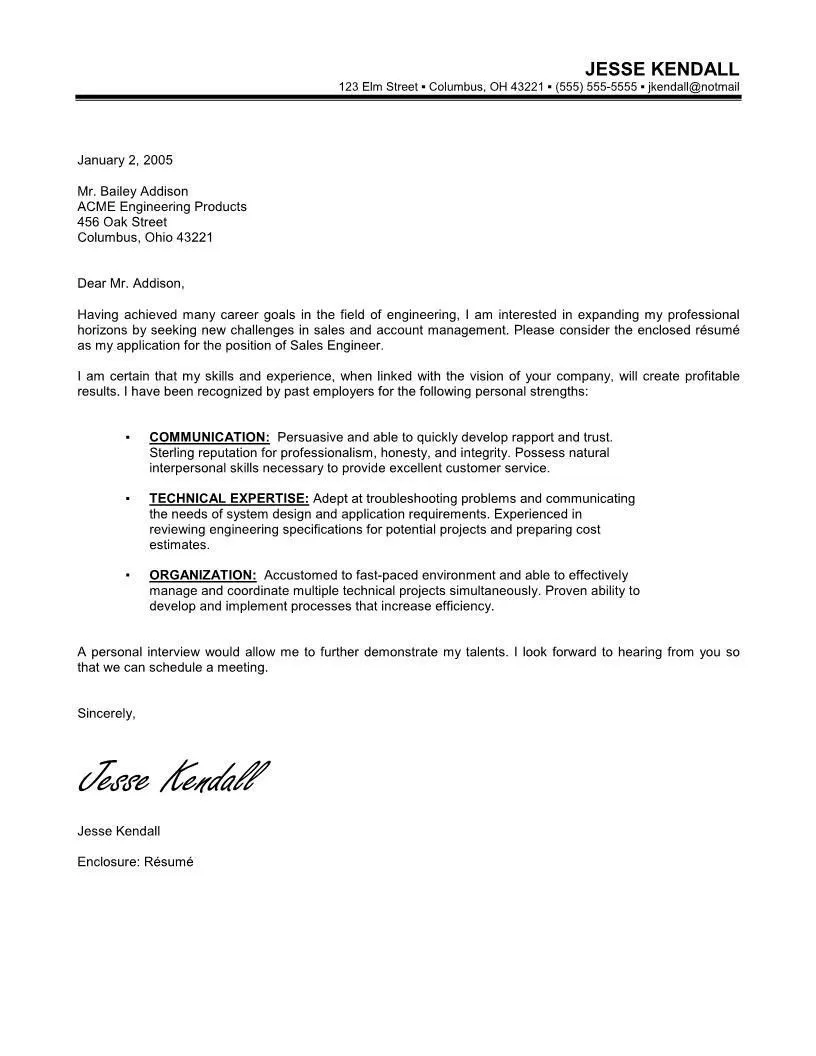
What is an Internship Cover Letter
An internship cover letter is a crucial document that accompanies your resume when applying for an internship. It serves as your introduction to the hiring manager, allowing you to express your interest in the position and highlight your qualifications. Unlike a resume, which provides a summary of your experience and skills, a cover letter enables you to elaborate on your achievements, explain your career goals, and showcase your personality. Crafting a compelling cover letter can significantly increase your chances of landing an internship, even if you have limited or no prior experience. This guide provides several internship cover letter examples to help you get started and create a standout application that grabs the attention of potential employers.
Why is an Internship Cover Letter Important
A well-written internship cover letter is important for several reasons. First, it allows you to personalize your application and demonstrate your genuine interest in the specific internship and company. It shows that you’ve taken the time to research the organization and understand the role. Second, a cover letter provides an opportunity to explain any gaps in your experience or address concerns the hiring manager might have. For example, if you’re a student with limited work experience, you can highlight your academic achievements, relevant coursework, and extracurricular activities. A cover letter also gives you a chance to showcase your communication skills and writing ability, which are essential for many internships. Remember, this is your chance to make a strong first impression and convince the employer to consider you for the position.
Key Components of an Internship Cover Letter

An effective internship cover letter includes several key components that work together to create a compelling narrative. Each section plays a critical role in conveying your qualifications, enthusiasm, and suitability for the internship. The structure is designed to guide the reader through your story, making it easy for them to understand why you are the right candidate. By carefully crafting each part, you can ensure your cover letter is impactful and leaves a lasting impression. Use this structure as a template to build a cover letter for the internship opportunity you want.
Header and Contact Information
The header should include your name, address, phone number, and email address. This information allows the hiring manager to easily contact you. It is also important to include the date and the recipient’s contact information (name, title, company, and address) if known. Accuracy and professionalism are key here, so make sure all details are correct and up-to-date. This section establishes the foundation for your application, presenting your contact details clearly and concisely to facilitate communication with the employer.
Greeting
Address the hiring manager by name if possible. Research the company website or LinkedIn to find the correct person. If you can’t find a specific name, use a general greeting like “Dear Hiring Manager.” Avoid generic greetings such as “To Whom It May Concern,” which can make your letter seem impersonal. A personalized greeting shows that you’ve done your homework and are genuinely interested in the internship.
Body Paragraphs

The body paragraphs are the heart of your cover letter. They should explain why you’re interested in the internship and why you’re a good fit. Typically, this section includes three or four paragraphs. Begin with a strong opening statement that grabs the reader’s attention. Then, describe your relevant skills, experiences, and academic achievements. Finally, express your enthusiasm for the internship and the company. The aim is to create a compelling narrative that highlights your unique value proposition and demonstrates your eagerness to contribute.
Highlighting Skills and Experiences
Even with no prior work experience, you can showcase your skills. Focus on skills gained through coursework, projects, extracurricular activities, or volunteer work. Provide specific examples of how you’ve used these skills. For instance, if you’ve worked on a team project, describe your role, the challenges you faced, and what you learned. Quantify your achievements whenever possible. Instead of saying “I improved customer service,” you could say “Improved customer satisfaction scores by 15% through proactive communication.” Employers value these details.
Expressing Enthusiasm and Passion
Show genuine enthusiasm for the internship and the company. Explain what interests you about the role, the industry, or the organization’s mission. Research the company’s values, recent projects, or news to demonstrate your knowledge and interest. Mention specific aspects of the internship that excite you and how you believe you can contribute. Your passion can set you apart from other candidates, so don’t be afraid to let your excitement shine through in your writing. This is your chance to demonstrate why you are not just qualified, but the perfect fit for the internship.
Tailoring Your Letter to the Internship

Customize your cover letter for each internship you apply for. Review the job description carefully and identify the key skills and qualifications the employer is seeking. Then, highlight the experiences and skills from your background that align with these requirements. Use the same keywords and phrases from the job description in your cover letter to show that you meet their needs. This targeted approach demonstrates that you have carefully considered the role and are a strong match for the position. Avoid using a generic cover letter; personalization is key to making a good impression.
Call to Action and Closing
In your closing paragraph, reiterate your interest in the internship and thank the hiring manager for their time and consideration. Include a call to action, such as expressing your availability for an interview or your eagerness to discuss your qualifications further. Use a professional closing such as “Sincerely” or “Best regards,” followed by your name. This section should leave a positive and memorable final impression, reinforcing your enthusiasm and willingness to take the next steps in the application process.
Formatting and Presentation
The formatting and presentation of your internship cover letter are as important as its content. A well-formatted letter is easy to read and conveys professionalism. Attention to detail in this area can significantly enhance the impact of your application, helping you stand out from the competition.
Font and Style

Choose a professional and easy-to-read font such as Times New Roman, Arial, or Calibri. The font size should be between 10 and 12 points. Ensure that the font style is consistent throughout the letter. Use a clear and concise writing style, avoiding jargon and overly complex sentences. Maintain a formal tone and use proper grammar, spelling, and punctuation.
Length and Structure
Keep your cover letter concise and to the point. Aim for a maximum of one page. Use a standard business letter format with clear sections and sufficient white space to make it easy to read. Organize your content logically, with each paragraph addressing a specific point. Use bullet points or lists to highlight key skills or accomplishments, but avoid overuse.
Proofreading and Editing
Proofread your cover letter carefully for any errors in grammar, spelling, and punctuation. Errors can undermine your credibility and make you appear careless. Use a grammar checker and ask a friend, family member, or career counselor to review your letter as well. Multiple sets of eyes can catch mistakes you might miss. Thorough proofreading is crucial to ensure that your cover letter is polished and professional, helping you make a positive impression on the hiring manager.
Examples of Internship Cover Letters

Reviewing examples of internship cover letters can provide valuable insights into structure, style, and content. Here are examples demonstrating how to tailor your letter to different scenarios and highlight your unique qualifications effectively.
Example 1 Highlighting Skills
Dear [Hiring Manager Name],
I am writing to express my interest in the Marketing Internship at [Company Name], as advertised on [Platform]. As a [Year] at [University Name] pursuing a degree in Marketing, I am eager to apply my skills and enthusiasm to a dynamic marketing team. While I may not have direct professional experience, my coursework has equipped me with a strong foundation in marketing principles. In my project for Digital Marketing, I developed and executed a social media campaign for a local business, increasing their engagement by 20%. I am proficient in social media management tools such as Hootsuite and Google Analytics. I am also a quick learner. I am confident that my skills and passion for marketing will allow me to contribute meaningfully to [Company Name].
Sincerely, [Your Name]
Example 2 Emphasizing Enthusiasm
Dear [Hiring Manager Name],
I am writing to apply for the Software Engineering Internship at [Company Name]. I have been consistently impressed by [Company Name]’s innovative work in [Specific Area], and I am excited about the opportunity to contribute to your team. As a [Year] at [University Name] studying Computer Science, I have developed a strong foundation in programming, with a focus on [Specific Technologies]. I have been involved in multiple coding projects and contributed to several open-source projects, further developing my problem-solving and teamwork skills. I have a deep passion for technology and a strong desire to build a career in Software Engineering. I am eager to learn from experienced professionals and apply my skills to real-world projects. I am excited about the prospect of working on cutting-edge technologies and contributing to [Company Name]’s continued success. My enthusiasm for coding and commitment to excellence make me a perfect candidate for this internship.
Sincerely, [Your Name]
Example 3 Tailoring to the Internship

Dear [Hiring Manager Name],
I am writing to express my interest in the [Specific Internship Name] at [Company Name], as advertised on [Platform]. As a highly motivated student at [University Name] with a strong foundation in [Relevant Field], I am eager to apply my skills and contribute to your team. I have developed strong skills in project management, data analysis, and communication through multiple group projects in my coursework. I am also very familiar with [Specific Skills Listed in the Job Description], which are vital for this role. I have developed a strong ability to work collaboratively, solve complex problems and create efficient solutions. My goal is to contribute significantly to [Company Name]’s mission, and my enthusiasm for [Industry/Area] perfectly aligns with the internship’s objectives. I am confident that my academic achievements, extracurricular experiences, and eagerness to learn make me an excellent fit for this internship. I am looking forward to the opportunity to discuss my qualifications further.
Sincerely, [Your Name]
Common Mistakes to Avoid
There are several common mistakes that can undermine your internship cover letter. Avoid these pitfalls to increase your chances of success. Here are some key points to keep in mind, ensuring that your application reflects professionalism, attention to detail, and a genuine interest in the opportunity. Pay close attention to these details so that you don’t make a mistake and miss an opportunity.
Common mistakes include: using generic templates, not tailoring the letter to the specific internship, having grammatical errors or typos, being too long, and not highlighting relevant skills and experiences. Avoid these errors to make a strong impression.