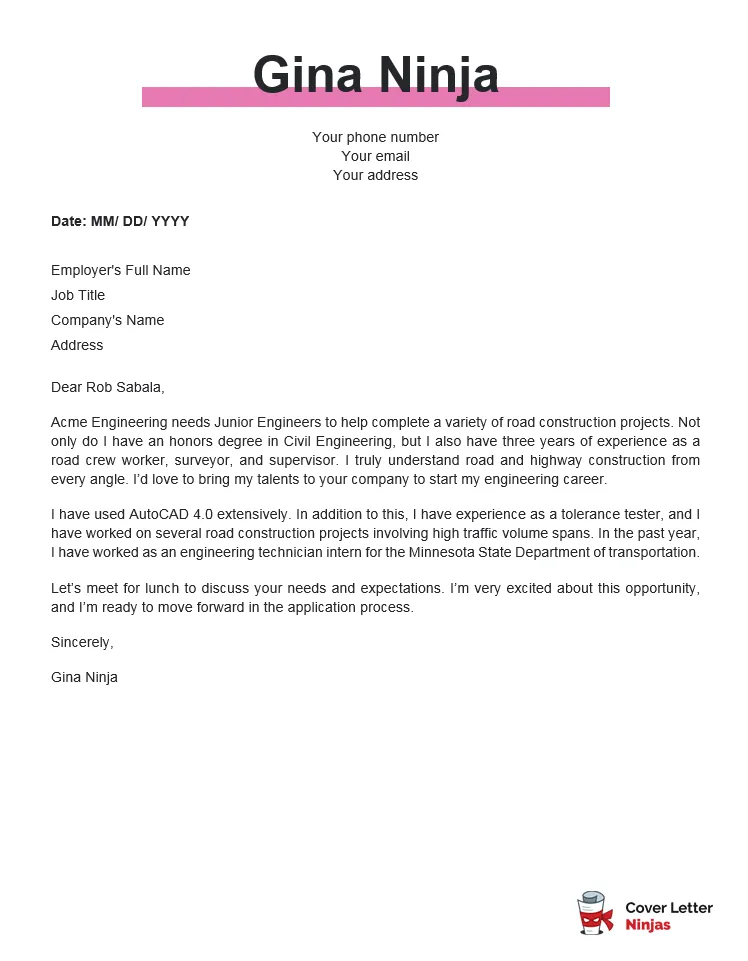
What is an Engineering Cover Letter?
An engineering cover letter is a crucial document that accompanies your resume when applying for engineering positions. It serves as a personalized introduction, allowing you to highlight your skills, experience, and enthusiasm for the specific role and company. Unlike a resume, which provides a factual overview of your qualifications, a cover letter gives you the opportunity to tell your story, explain why you’re the perfect fit, and demonstrate your communication skills. It’s your chance to make a strong first impression and persuade the hiring manager to read your resume more closely.
Why is an Engineering Cover Letter Important?
The importance of an engineering cover letter cannot be overstated. It’s your first chance to showcase your personality and communication style. Engineers are often evaluated on their ability to articulate complex ideas clearly and concisely. A well-written cover letter demonstrates these skills immediately. Moreover, a cover letter allows you to tailor your application to each specific job, showing that you understand the company’s needs and are genuinely interested in the position. This level of personalization sets you apart from generic applicants and significantly increases your chances of getting an interview.
How to Write a Strong Engineering Cover Letter

Crafting a compelling engineering cover letter involves several key steps, from researching the company to showcasing your achievements. Each element contributes to creating a document that resonates with hiring managers and demonstrates your suitability for the role. By following these guidelines, you can significantly enhance your chances of success in your job search.
Research the Company and Role
Before you start writing, thoroughly research the company and the specific role you’re applying for. Understand the company’s mission, values, and recent projects. Explore their website, social media profiles, and any news articles about them. This research will allow you to tailor your cover letter to demonstrate that you understand the company’s needs and how your skills align with their objectives. It shows initiative and genuine interest, making your application stand out.
Tailor Your Letter to the Job
Every cover letter should be customized to the specific job description. Review the job posting carefully, paying attention to the required skills and experience. Use the same keywords and phrases from the job description in your cover letter, but don’t just copy and paste. Instead, integrate these keywords naturally into your writing to highlight how your qualifications match the employer’s needs. This demonstrates that you have taken the time to understand the requirements and are a strong fit for the position.
Highlight Relevant Skills and Experience

Focus on the skills and experiences that are most relevant to the job. Don’t simply list your qualifications; provide specific examples that illustrate your abilities. Use the STAR method (Situation, Task, Action, Result) to provide context and demonstrate your impact. For each skill or experience you highlight, explain the situation, the task you were assigned, the actions you took, and the positive result you achieved.
Showcase Your Problem-Solving Abilities
Engineering is all about problem-solving. Use your cover letter to demonstrate your ability to identify, analyze, and solve complex problems. Describe projects where you overcame challenges, implemented innovative solutions, and achieved tangible results. Provide specific examples of how you approached a problem, the steps you took, and the outcome. This demonstrates your critical thinking skills and your capacity to deliver successful outcomes.
Emphasize Technical Proficiency
Engineers must have a strong technical foundation. Highlight your proficiency in relevant software, tools, and technologies. Mention any certifications or training you have received. If the job requires experience with specific software or equipment, be sure to mention your experience with those tools and provide examples of how you’ve used them in the past.
Quantify Your Achievements

Wherever possible, quantify your achievements. Use numbers, percentages, and metrics to demonstrate the impact of your work. Instead of saying “Improved efficiency,” say “Improved efficiency by 15% through the implementation of…” Quantifiable results provide concrete evidence of your abilities and make your accomplishments more convincing.
Use Action Verbs
Use strong action verbs to describe your accomplishments and responsibilities. Action verbs make your cover letter more dynamic and engaging. Examples of effective action verbs include: designed, developed, implemented, managed, led, analyzed, improved, optimized, and resolved. Use these verbs to actively describe your past experiences and demonstrate your capabilities.
Proofread and Edit Carefully
Before submitting your cover letter, proofread it multiple times to catch any errors. Typos, grammatical errors, and formatting mistakes can undermine your credibility. Read your letter out loud to catch any awkward phrasing. Ask a friend, mentor, or career counselor to review your cover letter for feedback. A polished and error-free cover letter shows attention to detail and professionalism.
Engineering Cover Letter Structure
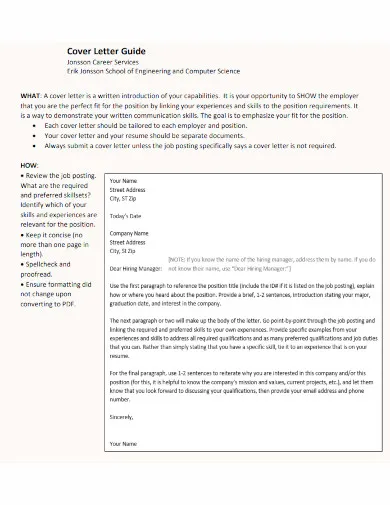
A well-structured cover letter is easy to read and highlights the most important information. The standard structure includes a heading, an introduction, body paragraphs, and a closing. Using this format ensures that your letter is organized, professional, and effectively communicates your qualifications.
Heading
Your heading should include your contact information (name, address, phone number, and email address), the date, and the recipient’s contact information (name, title, and company address). This section provides essential details and helps the hiring manager quickly identify you and know how to reach you.
Introduction Paragraph
Start your introduction by stating the position you are applying for and where you found the job posting. Briefly mention why you are interested in the company and the role. It is crucial to grab the reader’s attention immediately. You can also include a brief statement about your key qualifications or a compelling achievement that aligns with the job requirements.
Body Paragraphs

The body paragraphs should highlight your relevant skills, experience, and accomplishments. Each paragraph should focus on a specific aspect of your qualifications. Use examples and quantifiable results to support your claims. The body paragraphs are the core of your cover letter, where you convince the hiring manager that you are the right candidate.
Highlight Relevant Experience
Focus on the experiences that directly relate to the job description. Detail your responsibilities and accomplishments in previous roles. Use the STAR method to provide context and demonstrate the impact of your work. Show how your past experiences have prepared you for the specific challenges of this new position.
Demonstrate Skills and Knowledge
Showcase your technical skills, problem-solving abilities, and any relevant certifications or training. Provide specific examples of how you have used your skills in practice. Align your skills with the requirements outlined in the job description, demonstrating that you have what it takes to excel in the role.
Show Enthusiasm and Interest

Express your genuine interest in the company and the role. Explain why you are excited about the opportunity and what you hope to contribute. Your enthusiasm can make a significant difference and show that you are not only qualified but also eager to join their team.
Closing Paragraph
In your closing paragraph, reiterate your interest in the position and thank the hiring manager for their time and consideration. Include a call to action, such as inviting them to review your resume or expressing your availability for an interview. Make sure to proofread your closing for any errors.
Common Mistakes to Avoid
Avoiding common mistakes is critical to creating a strong engineering cover letter. These errors can damage your credibility and reduce your chances of getting an interview. By being aware of these pitfalls, you can ensure your cover letter makes a positive impression.
Generic Cover Letter
Sending a generic cover letter that is not tailored to the specific job and company is a major mistake. Hiring managers can easily recognize a generic letter. Always customize your cover letter to highlight the skills and experiences that are most relevant to the role. Personalize your letter to show that you understand the company and are genuinely interested in the opportunity.
Typos and Grammatical Errors
Typos and grammatical errors make you look unprofessional and can undermine your credibility. Proofread your letter carefully, and consider having someone else review it. A polished and error-free cover letter demonstrates attention to detail, a key skill for any engineer.
Not Tailoring the Letter
Failing to tailor your cover letter to each job is a critical error. The most effective cover letters are specific and demonstrate that you understand the company’s needs and the requirements of the role. Tailoring your letter shows that you have taken the time to understand the opportunity and are a good fit for the position.
Ignoring the Call to Action
A cover letter should include a clear call to action. Tell the hiring manager what you want them to do next, whether it is to review your resume or to schedule an interview. A call to action encourages them to take the next step and shows your initiative.
Engineering Cover Letter Examples
Reviewing engineering cover letter examples can provide inspiration and guidance. Look for examples that are tailored to specific engineering roles and industries. Analyze the structure, language, and content to understand how to effectively showcase your qualifications. Adapt the examples to fit your own skills, experience, and the job you’re applying for. Remember that each cover letter should be unique and reflect your individual experiences and aspirations.
Writing a stellar engineering cover letter is a crucial step in securing your desired engineering position. By following the guidelines outlined above, including thorough research, customization, skills highlighting, and diligent proofreading, you can create a compelling cover letter that makes a strong impression and sets you apart from the competition. Remember to highlight your specific skills, quantify your achievements, and express your enthusiasm for the role. Good luck!