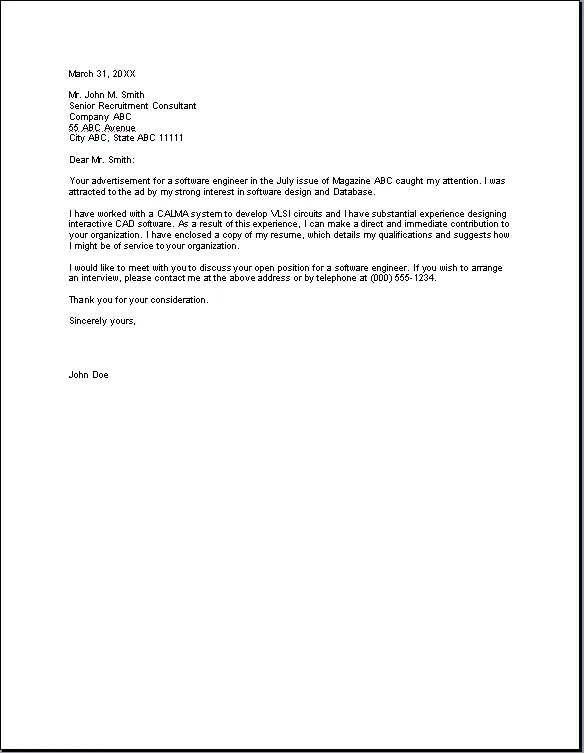
Why a Personal Cover Letter Matters
A personal cover letter is your opportunity to make a strong first impression and showcase why you’re the perfect fit for a job. Unlike your resume, which provides a factual summary of your experience, a cover letter allows you to tell a story, express your personality, and demonstrate your genuine interest in the position and the company. It helps you stand out from the competition and gives you the chance to address any potential concerns or gaps in your resume. A well-written cover letter can significantly increase your chances of getting an interview, making it a crucial part of your job application.
Highlighting Your Skills and Experiences
The primary goal of your cover letter is to highlight the skills and experiences that are most relevant to the job you’re applying for. Carefully review the job description and identify the key requirements and qualifications the employer is seeking. Then, in your cover letter, provide specific examples from your past experiences that demonstrate your ability to meet those requirements. This could include specific projects you worked on, challenges you overcame, and results you achieved. The more specific and detailed you are, the more convincing your letter will be. Use action verbs and quantifiable results to make your accomplishments stand out.
Understanding the Purpose of a Cover Letter

The purpose of a cover letter is multifaceted. It serves as an introduction, a sales pitch, and a bridge between your resume and the employer’s needs. It should clearly state why you’re applying for the job, how your skills and experience align with the job requirements, and why you’re a good fit for the company culture. It’s also an opportunity to express your enthusiasm for the role and demonstrate your understanding of the company’s mission and values. Think of the cover letter as a personalized narrative that complements your resume and convinces the employer to invite you for an interview.
Cover Letter Structure
A well-structured cover letter follows a standard format that makes it easy for the hiring manager to read and understand. The key components include contact information, a professional greeting, a compelling opening paragraph, a body that highlights your relevant skills and experience, a closing paragraph that reiterates your interest and includes a call to action, and a formal closing with your signature. Each section plays a vital role in conveying your message effectively. A clear and organized structure ensures that your key qualifications and enthusiasm are easily conveyed.
Contact Information
At the top of your cover letter, include your contact information: your full name, phone number, email address, and optionally, your LinkedIn profile URL. This information ensures that the hiring manager can easily reach you. Ensure your email address is professional. Using a current and readily accessible phone number is also essential. Consistency in contact information between your resume and cover letter is important for professional presentation. Keeping your contact information clear and readily available is important for recruiters.
Greeting the Hiring Manager

Start your cover letter with a professional greeting. If possible, address the hiring manager by name. This shows that you’ve done your research and are taking the time to personalize your application. Research the company to find the name of the hiring manager or recruiter. If you can’t find a specific name, use a general greeting like ‘Dear Hiring Manager’ or ‘Dear [Company Name] Team’. Avoid generic greetings such as ‘To Whom It May Concern,’ as they can make your letter seem impersonal. Personalizing this section can enhance your letter’s impact.
Opening Paragraph Strategies
Your opening paragraph is your first chance to grab the reader’s attention. Start with a strong hook that highlights your enthusiasm for the position and the company. Briefly mention the position you’re applying for and where you found the job posting. You might state your interest in the role. In this section, you can state your most relevant skill. Avoid generic opening lines and aim to make your statement memorable. Demonstrate your knowledge of the company and your eagerness to contribute. Make it compelling to get their attention.
Showcasing Relevant Skills and Experience
In the body paragraphs, elaborate on your skills and experiences that align with the job requirements. Use specific examples from your past roles or projects to demonstrate how you’ve successfully applied those skills. For each point, explain the situation, the actions you took, and the results you achieved (the STAR method is useful here). It’s important to tailor your examples to the specific job description, highlighting the qualifications and skills that the employer values most. This is your opportunity to explain what you have done and how you are a great fit for this role.
Quantifying Achievements

Whenever possible, quantify your achievements with numbers and data. For example, instead of saying ‘Improved customer satisfaction,’ say ‘Increased customer satisfaction by 20% through implementing new support strategies.’ Using numbers makes your accomplishments more tangible and credible. It allows the hiring manager to understand the impact you’ve made in previous roles. This also gives you a significant advantage over other candidates. Highlighting your tangible accomplishments boosts your chances of being selected.
Expressing Enthusiasm and Interest
Throughout your cover letter, express your genuine enthusiasm for the position and the company. Show that you’ve researched the company and understand its mission and values. Explain why you’re excited about the opportunity and how you believe you can contribute to its success. This level of engagement goes beyond merely listing qualifications and makes you appear more committed to the company. Your passion and dedication should be evident to the hiring manager.
Body Paragraph Strategies
Structure your body paragraphs logically, typically focusing on 2-3 key skills or experiences that match the job requirements. Use the STAR method (Situation, Task, Action, Result) to provide concrete examples. Start with the situation, then describe the tasks you faced, the actions you took, and the positive results you achieved. This method ensures your examples are clear, concise, and effective. Always keep the reader engaged by showcasing the relevance of your skills and experiences. Clear and structured paragraphs make your letter easy to follow.
Tailoring the Letter to the Role

Customize your cover letter for each job application. Avoid using a generic cover letter for all roles. Carefully review each job description and tailor your letter to highlight the skills, experiences, and qualifications that are most relevant to that specific position. Research the company and the specific needs of the team you would be joining. This personalization demonstrates your commitment and shows the employer that you’re genuinely interested in the role and the company. Take the time to customize your letter for each application.
Researching the Company
Before you start writing your cover letter, research the company thoroughly. Visit the company’s website, read its mission statement, and check its social media profiles. Understand the company’s values, culture, and recent achievements. This research will help you tailor your cover letter to the company’s specific needs and demonstrate your understanding of its goals. By demonstrating knowledge of the company, you show your dedication and increase your likelihood of making a great first impression. Use the information in your letter to show you’re a perfect fit.
Including a Call to Action
In your closing paragraph, include a clear call to action. State that you’re eager to discuss your qualifications further and express your interest in an interview. Provide your availability for an interview. Make it easy for the hiring manager to contact you by reiterating your email address or phone number. Including a call to action gives the employer a clear next step. It shows your enthusiasm and initiative and also encourages them to take action. Make your final message memorable.
Closing the Cover Letter

Close your cover letter with a professional closing, such as ‘Sincerely,’ ‘Best regards,’ or ‘Thank you.’ Following your closing, leave space for your signature if you’re submitting a physical copy. If you’re submitting an electronic copy, you can simply type your full name. The closing is your final opportunity to reinforce your professionalism. This small detail completes your cover letter and gives it a polished, professional look. It reinforces that you pay close attention to the details.
Formal Closing and Signature
A formal closing is crucial. Make sure it aligns with the overall tone of the cover letter. Choose a closing that sounds professional and polished. If submitting a physical letter, sign your name neatly above your typed name. If submitting electronically, you can include a digital signature or simply type your full name. This will show the hiring manager you value professionalism. Your signature shows that you have taken the time to read and understand the application.
Proofreading and Editing
Before submitting your cover letter, proofread and edit it carefully for any errors in grammar, spelling, and punctuation. Ask a friend or family member to review it as well. A single mistake can make your letter look unprofessional and hurt your chances of getting an interview. Ensure the language is clear, concise, and easy to read. Always edit to ensure your letter flows nicely. Polished writing showcases attention to detail and a strong commitment to quality.
Common Mistakes to Avoid

Several common mistakes can undermine your cover letter. Being aware of these and avoiding them can significantly improve your chances of success. These mistakes include grammatical errors, generic language, and formatting issues. Also, avoid using too much jargon, as it can confuse the reader. Focusing on these details will show you understand the importance of this document. It makes your application look professional.
Grammar and Spelling Errors
Grammatical and spelling errors are a major turnoff for hiring managers. They can make you appear careless and unprofessional. Always proofread your cover letter carefully. Use a spell-checker and grammar checker, but don’t rely on them completely. Have a friend or family member review your letter to catch any errors you might have missed. Taking these steps demonstrates professionalism and attention to detail.
Generic Language
Avoid using generic and cliché phrases that could apply to any job. Instead, use specific examples to showcase your skills and experience. Generic language makes your letter sound impersonal and makes it difficult for you to stand out from other candidates. Use action verbs and tailor your language to reflect the specific requirements of the role and the company’s values. Always avoid clichés to create a unique application.
Length and Formatting Issues
Keep your cover letter concise and to the point. Aim for one page, unless the job description specifically requests otherwise. Use a professional font and formatting style that’s easy to read. Ensure your cover letter has a clean, uncluttered layout. Ensure your letter is visually appealing. A poorly formatted letter can make your application harder to read and negatively affect your chances. Make sure your letter is well-structured and easy to navigate.
Formatting Your Cover Letter
Formatting plays a critical role in the readability of your cover letter. Choose a simple, professional font, such as Times New Roman, Arial, or Calibri. Use standard 1-inch margins and single-space your text. Use the same format as your resume so you can create consistency across your application. Use clear headings and bullet points to break up the text and make it easy to scan. Well-formatted letters are easier to read and create a positive first impression.
Choosing the Right Font
The font you choose should be professional, clean, and easy to read. Avoid overly decorative or unusual fonts that can distract from your message. Stick to standard fonts like Times New Roman, Arial, Calibri, or Helvetica. Keep the font size consistent. A font size of 10-12 points usually works well. Ensure your font choices reflect professionalism and good design principles. Choose a font that suits your brand and style and is easy to read.
Formatting Tips for Readability
To make your cover letter easy to read, use clear formatting. Use white space effectively to separate sections and paragraphs. Use bullet points to list key skills or achievements. Be consistent with your formatting choices. A well-formatted letter shows that you pay attention to detail. This makes your letter more engaging for the reader. This will also make your key points and contributions stand out.
Personal Cover Letter Sample and Template
You can find several personal cover letter samples and templates online to help you get started. Use these resources to understand the structure and formatting. Remember to customize the template to reflect your unique skills, experiences, and the specific requirements of each job. Always adapt and personalize the template for your needs. Make sure it’s tailored to you and showcases your best qualities.
Adapting the Template to Your Needs
Templates are great for getting started, but always tailor the template to your specific situation. The template should give you a solid foundation. Adapt the language to showcase your unique experience and skills. Make sure the content addresses the specific requirements of the job description. Your personality should also shine through in your cover letter. Modifying the template is an important part of getting hired.