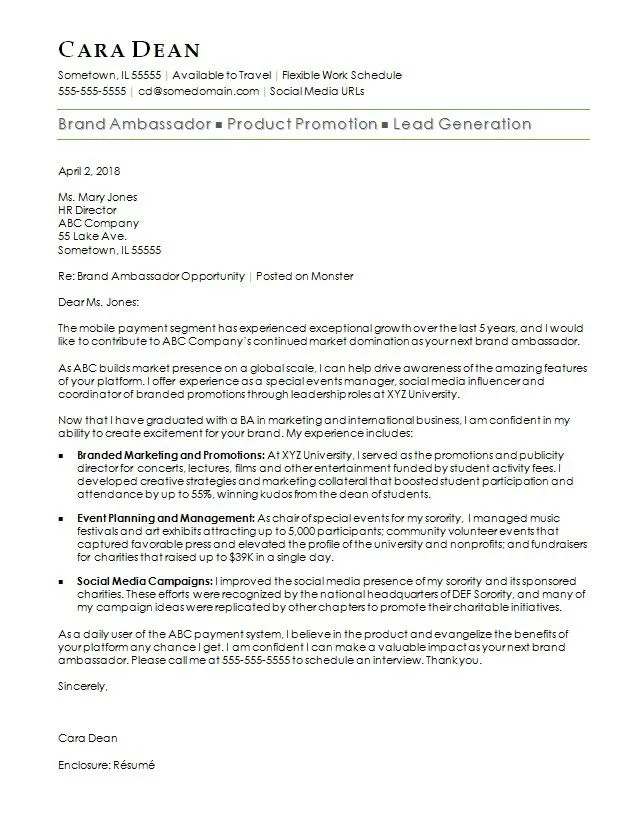
Crafting Your Film Festival Cover Letter
Submitting your film to a festival is a significant step in a filmmaker’s journey. Beyond the film itself, the cover letter is your first impression. It’s a crucial document that can significantly influence the festival’s decision to screen your work. This guide provides comprehensive instructions to help you create a compelling cover letter that showcases your film, your filmmaking expertise, and your enthusiasm for the festival. A well-crafted cover letter demonstrates professionalism, attention to detail, and genuine interest, all of which are vital for a successful submission.
Why a Cover Letter Matters
A cover letter serves as more than just an introduction; it’s a chance to provide context and passion for your film. It allows you to connect with the festival’s selection committee on a personal level. While a film speaks for itself, the cover letter helps explain your creative process, motivations, and why your film is a good fit for the festival’s programming. It demonstrates your commitment to the craft and can highlight aspects of your film that might not be immediately apparent. Essentially, it is your opportunity to make a strong case for your film and yourself.
Showcasing Your Film

The primary goal of your cover letter is to present your film in the best possible light. This involves providing key information about your film, such as its title, running time, genre, and a brief synopsis. Highlighting your film’s unique qualities, themes, and artistic vision is essential. Consider what makes your film stand out from the competition and articulate that effectively. Use clear, concise language, and avoid jargon that might confuse the selection committee. Remember, your aim is to capture their interest and encourage them to watch your film.
Essential Elements of a Cover Letter
A well-structured cover letter includes several key components that work together to make a compelling case for your film. Ensuring each part is done with care is very important. These elements include contact information, a festival-specific salutation, a logline and synopsis of your film, details of your filmmaking experience, any previous festival successes, a clear explanation of why you’re submitting to this festival, and a call to action. Each of these components plays a vital role in presenting you and your film professionally and persuasively.
Your Contact Information
At the top of your cover letter, provide your full name, email address, and phone number. This allows the festival to easily contact you if they have questions or want to inform you of their decision. Make sure your contact details are accurate and up-to-date. Consider including a link to your website or online portfolio if you have one, to give the selection committee easy access to see more of your work.
Festival-Specific Salutation

Address your cover letter to a specific person if possible. Research the festival to find the name of the programming director, festival director, or the person in charge of film submissions. Use a formal salutation, such as ‘Dear Mr./Ms. [Last Name]’ or ‘Dear Film Festival Selection Committee’. This shows that you have done your research and are genuinely interested in the festival, making your submission feel less generic.
Highlighting Film Details
Clearly state your film’s title, running time, and genre. This gives the selection committee essential information at a glance. Also, mention the film’s format (e.g., digital, 35mm) and year of completion. Include any key cast or crew members, especially if they are well-known or have notable achievements. The goal is to provide a concise summary of your film’s basic information to create a clear initial impression.
Logline and Synopsis
A concise logline (one or two sentences) summarizes your film’s core concept and hook. The synopsis provides a more detailed, but still brief, overview of your film’s plot, characters, and themes. Aim to capture the essence of your film in a compelling way. Think of these elements as the ’elevator pitch’ of your film. They should grab the reader’s attention and give them a sense of what your film is about. Avoid giving away the entire plot; instead, focus on the most critical aspects to intrigue them.
Filmmaking Experience

Briefly mention your filmmaking experience, including previous films, relevant training, or any awards or recognition you’ve received. If you’re an emerging filmmaker, highlight any relevant experience or skills that demonstrate your potential. If you’re more experienced, list your key credits and achievements. The aim is to establish your credibility and show that you possess the skills and dedication necessary to create quality films. Be honest and don’t exaggerate your accomplishments.
Previous Festival Successes
If your film has been selected for or won awards at other festivals, mention these successes. This boosts your credibility and demonstrates that your film has already gained recognition. Include the names of the festivals, the awards won, and any other relevant achievements. This shows that your film has already resonated with audiences and critics, giving the selection committee confidence in its quality. List them chronologically or by importance.
Why This Festival
Explain why you are submitting your film to this specific festival. Research the festival’s mission, programming, and audience. Show that you understand the festival’s values and believe your film is a good fit. Mention specific films or filmmakers that the festival has showcased in the past that are similar to your work. This demonstrates that you are targeting your submissions and that you appreciate and respect the festival’s unique character. It shows you’ve put thought into why your film is appropriate.
Expressing Your Passion

Convey your enthusiasm for filmmaking and your genuine interest in the festival. Let your personality shine through. Share your motivation for making this film and why you are excited to share it with the festival audience. Personal stories, anecdotes, or insights into your creative process can make your cover letter more memorable. It is important to come across as authentic and passionate about your work and the opportunity to participate.
Call to Action
Conclude your cover letter with a clear call to action. Thank the selection committee for their time and consideration. Express your hope that they will screen your film. Reiterate your contact information if needed. Ensure the selection committee knows how to reach you and how eager you are for your film to be seen. End with a polite and professional closing.
Professional Closing
Use a professional closing such as ‘Sincerely,’ ‘Best regards,’ or ‘Thank you’. Include your full name and, if applicable, your title or role. This gives a final impression of professionalism and respect. Double-check that your contact information is correct and readily available. This final touch helps to secure a positive and lasting impression.
Proofreading Your Cover Letter

Before sending your cover letter, proofread it carefully for any errors in grammar, spelling, and punctuation. Typos and grammatical errors can detract from your credibility and professionalism. Use a grammar checker, read it aloud, and have someone else review it. Ensure that the tone of your letter is appropriate for the festival. Make sure that your message is clear, concise, and polished. A well-proofread cover letter demonstrates attention to detail, and it shows the festival organizers that you value their event.
Formatting and Presentation
Format your cover letter in a professional manner. Use a readable font like Arial or Times New Roman, with a font size of 11 or 12 points. Keep the letter concise, typically no more than one page. Use appropriate margins and spacing. Ensure that your letter is visually appealing and easy to read. If the festival provides specific formatting guidelines, follow them carefully. A well-formatted cover letter shows that you are organized and respectful of the festival’s rules.
Writing a compelling film festival cover letter is essential to making a strong first impression. By following these guidelines and tailoring your letter to each festival, you increase your chances of getting your film selected. Your cover letter is your opportunity to demonstrate professionalism, passion, and a genuine interest in the festival. Good luck with your submissions.