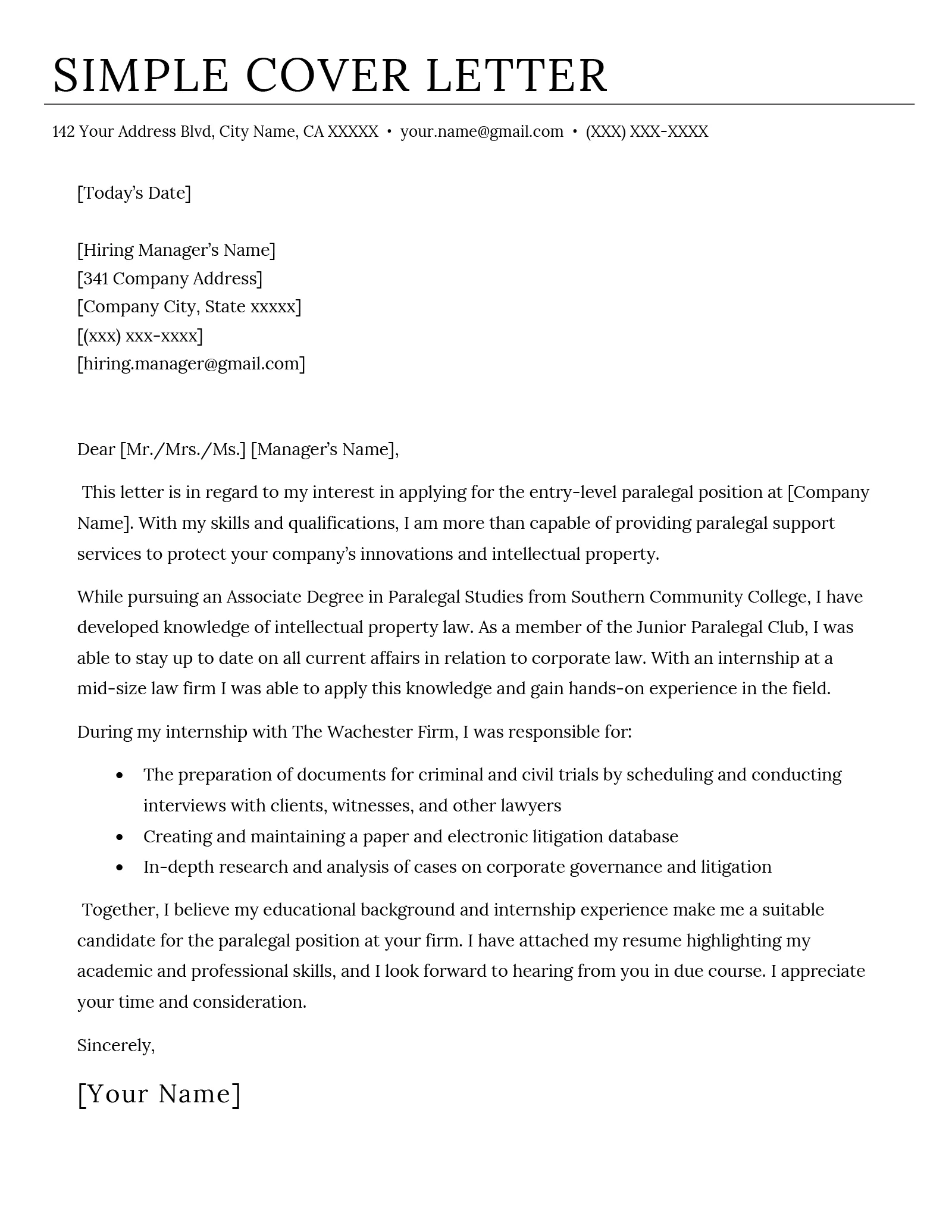
The Importance of a Cover Letter
A cover letter is more than just a formality it is your first opportunity to make a strong impression on a potential employer. It serves as a crucial introduction to your resume and provides you with the space to elaborate on your qualifications and express your enthusiasm for the specific role. It allows you to highlight the experiences and skills that best align with the job requirements, making it a vital tool in setting you apart from other candidates. Writing a compelling cover letter significantly increases your chances of landing an interview, as it showcases your communication skills and demonstrates your genuine interest in the position and the company. Neglecting a cover letter, especially when one is requested, can be a missed opportunity that could lead to your application being immediately dismissed.
Why You Need a Cover Letter
Cover letters provide a personal touch to your application, allowing you to showcase your personality and communication skills in a way that a resume cannot. They allow you to explain any gaps in employment, career changes, or other aspects of your work history that may need clarification. Furthermore, cover letters let you demonstrate your understanding of the company’s needs and how your skills can address them. They offer a space to articulate your career goals and show how the position aligns with your aspirations. In essence, a well-crafted cover letter is a strategic tool that can transform a standard application into a compelling narrative, significantly boosting your chances of getting an interview.
When a Cover Letter is Essential

Cover letters are essential in nearly all job applications. Whenever a job posting specifically requests a cover letter, it is a non-negotiable requirement. Even if not explicitly requested, it is always a good idea to include one, as it demonstrates initiative and attention to detail. For roles that require strong communication skills, such as marketing, public relations, or writing positions, a cover letter becomes even more important as it serves as a writing sample. Moreover, when applying for positions where you may be changing careers or have gaps in your work history, a cover letter is crucial for providing context and explaining your motivations. Tailoring a cover letter to each job application demonstrates your genuine interest in the specific role and company, which significantly increases your chances of success.
Top 7 Tips for Writing a Winning Cover Letter
Research the Company
Before you start writing, thoroughly research the company and the specific role. Understand the company’s mission, values, and recent achievements. Tailor your cover letter to demonstrate how your skills and experience align with their needs and culture. Mention specific projects, initiatives, or values that resonate with you. This shows that you are genuinely interested in the opportunity and have taken the time to understand what the company is looking for. By demonstrating this level of preparedness, you significantly increase your chances of making a positive impression.
Customize Your Cover Letter

Avoid using generic cover letters. Tailor each one to the specific job you are applying for. Review the job description carefully and identify the key requirements and desired skills. Customize your letter to address these points directly, using the same keywords and phrases as the job posting. Highlight the experiences and skills that match the specific requirements. By demonstrating a clear understanding of the role and the company’s needs, you significantly increase your chances of standing out among other applicants. Customization shows that you are serious about the position and have invested time in demonstrating your fit.
Highlight Relevant Skills and Experience
Focus on the skills and experiences that are most relevant to the job. Use the cover letter to elaborate on the details that demonstrate your competence and suitability for the position. Refer to specific achievements and quantify them whenever possible. This shows concrete examples of your successes and illustrates how you have added value in previous roles. By highlighting the most important skills and achievements, you make it easier for the hiring manager to see why you are a good fit. Ensure that the skills you emphasize align with the job requirements. This targeted approach makes your application more compelling.
Quantify Your Achievements
Use numbers and data to illustrate your accomplishments. Instead of saying, ‘I improved sales,’ say ‘I increased sales by 15% in six months.’ Quantifying your achievements adds credibility and provides concrete evidence of your value. Include metrics like the amount of money saved, projects completed on time, or positive feedback received. This helps the hiring manager understand the real impact you had in your previous roles. By providing specific results, you make it easier for the hiring manager to see the value you can bring to their organization.
Use a Professional Tone

Maintain a professional and respectful tone throughout your cover letter. Use formal language, avoid slang, and proofread carefully for grammar and spelling errors. Address the hiring manager by name if possible, and always show courtesy. Your cover letter is a reflection of your attention to detail and professionalism. A polished cover letter demonstrates that you take your application seriously and that you understand how to communicate effectively in a professional setting. It is important to project an image of confidence and competence while maintaining a respectful and appropriate tone.
Proofread Carefully
Proofreading is essential for ensuring your cover letter is error-free. Errors can undermine your credibility and make you appear careless. Read your cover letter multiple times, and use grammar and spell-checking tools. Ask a friend or family member to review it as well, as a fresh pair of eyes can often catch mistakes you might have missed. Errors in your cover letter can be a major turnoff for potential employers. By taking the time to proofread carefully, you demonstrate your commitment to excellence and attention to detail. This can significantly improve your chances of making a positive impression.
Keep it Concise and Focused
Your cover letter should be concise and to the point. Hiring managers are busy and may not have time to read long, rambling letters. Aim for one page, and focus on the most important points. Avoid including unnecessary details that are already in your resume. Make every word count, and use strong action verbs to make your points clear and compelling. Be sure to stay focused on the specific job requirements and how your skills and experiences align with them. This focused approach helps the reader quickly understand why you are the best candidate.
Formatting Your Cover Letter

Choosing the Right Font and Font Size
Select a professional and easy-to-read font, such as Times New Roman, Arial, or Calibri. Choose a font size between 10 and 12 points. Ensure that your cover letter is visually appealing. A clean, well-formatted cover letter shows your attention to detail and professionalism. Avoid using overly fancy or difficult-to-read fonts, as this can make your cover letter seem unprofessional. Make sure the text is easy on the eyes, allowing the hiring manager to quickly read and understand the information provided.
Structuring Your Cover Letter
Structure your cover letter with a clear and logical flow. Start with a compelling opening that grabs the reader’s attention. Follow with a few paragraphs highlighting your relevant skills and experience. Conclude with a strong closing that reiterates your interest and includes a call to action. Organize your content in a way that makes it easy for the hiring manager to understand why you are a good fit for the job. Divide your letter into clear paragraphs, using headings and bullet points to break up the text and highlight key information. This structured format will make your cover letter more readable and engaging.
Cover Letter Dos and Don’ts

What to Include
Include a strong opening statement that captures the reader’s interest. Highlight your relevant skills and experiences that match the job requirements. Quantify your achievements whenever possible. Show how your skills align with the company’s needs and values. Express your enthusiasm for the specific role and company. Be sure to proofread carefully for any errors in grammar or spelling. By focusing on these elements, you will improve your chances of creating a cover letter that will make a good impression on the hiring manager.
What to Avoid
Avoid generic language and phrases that lack personality. Do not simply restate your resume; use the cover letter to elaborate. Avoid errors in grammar or spelling, as they can immediately put off the reader. Do not write a letter that is too long or too short. Do not use jargon, slang, or unprofessional language. Avoid negative comments about your previous employers or jobs. By avoiding these common pitfalls, you will create a cover letter that effectively highlights your skills and qualifications.
Examples of Effective Cover Letters

Reviewing successful cover letter examples can provide valuable insights into structure, content, and tone. Search online for examples that are relevant to your industry and the type of job you are seeking. Pay attention to how the writers introduce themselves, highlight their skills, and express their interest in the company. Notice how they tailor their letters to the specific job requirements and how they use language effectively. Adapt and adjust the best practices you see to fit your own unique experience and style, remembering to maintain authenticity. Observing other professionals will help you write an effective cover letter.
Cover Letter Template and Resources
Use online cover letter templates as a starting point. Many websites offer free templates that can help you structure your letter. Customize the template to match your style and the specific job application. Utilize resources such as career websites and resume writing services for additional guidance and tips. These tools can help you develop a cover letter that is not only well-written but also tailored to your specific skills and experience. Templates are a great place to start, but make sure you customize them. You will enhance your chances of success when you take advantage of all the resources available.