Understanding the Power of a Cover Letter
In the competitive world of job hunting, a well-crafted cover letter can be your secret weapon. While a resume provides a snapshot of your professional history, a cover letter allows you to tell your story, highlight your qualifications, and express your genuine interest in the position and the company. It’s an opportunity to go beyond the bullet points and connect with the hiring manager on a more personal level. Many job seekers underestimate the importance of cover letters, but in many cases, it can be the deciding factor in whether you get an interview or your application ends up in the reject pile. A cover letter is your chance to make a strong first impression and persuade the employer that you’re the perfect fit.
Why Cover Letters Are Still Relevant
Despite the rise of online applications and automated resume screening, cover letters remain highly relevant. They offer a space to showcase your personality, writing skills, and communication abilities skills that are difficult to convey through a resume alone. Cover letters allow you to tailor your application to each specific job, demonstrating that you’ve taken the time to understand the role and the company’s needs. They provide context to your resume, explaining why you’re a good fit for the position. By addressing the hiring manager directly, you show your enthusiasm and willingness to go the extra mile, setting you apart from candidates who may only submit a resume. Therefore, it is still relevant to attach cover letters to any kind of job you are applying.
When a Cover Letter is Absolutely Necessary

There are certain situations where a cover letter is not just recommended but essential. If the job posting specifically requests a cover letter, it’s a must. Failing to include one would immediately disqualify you. When you’re applying for a job that requires a high level of writing or communication skills, such as marketing, public relations, or journalism, a cover letter provides an opportunity to showcase your abilities. If you have gaps in your employment history or are making a career change, a cover letter allows you to explain your situation and highlight how your skills are transferable. Furthermore, when you’re applying for a position at a company you’re particularly excited about, a cover letter lets you express your enthusiasm and demonstrate your knowledge of the company.
Crafting a Winning Cover Letter
Creating a cover letter that stands out requires careful planning and execution. It should be a well-structured document that is easy to read and quickly conveys the most relevant information. Remember, your cover letter should complement your resume, not simply repeat it. The goal is to highlight your key skills and experiences while providing a compelling narrative that showcases your suitability for the role. Always tailor your cover letter to each job you apply for, demonstrating that you’ve taken the time to research the company and understand their specific requirements.
Header and Contact Information
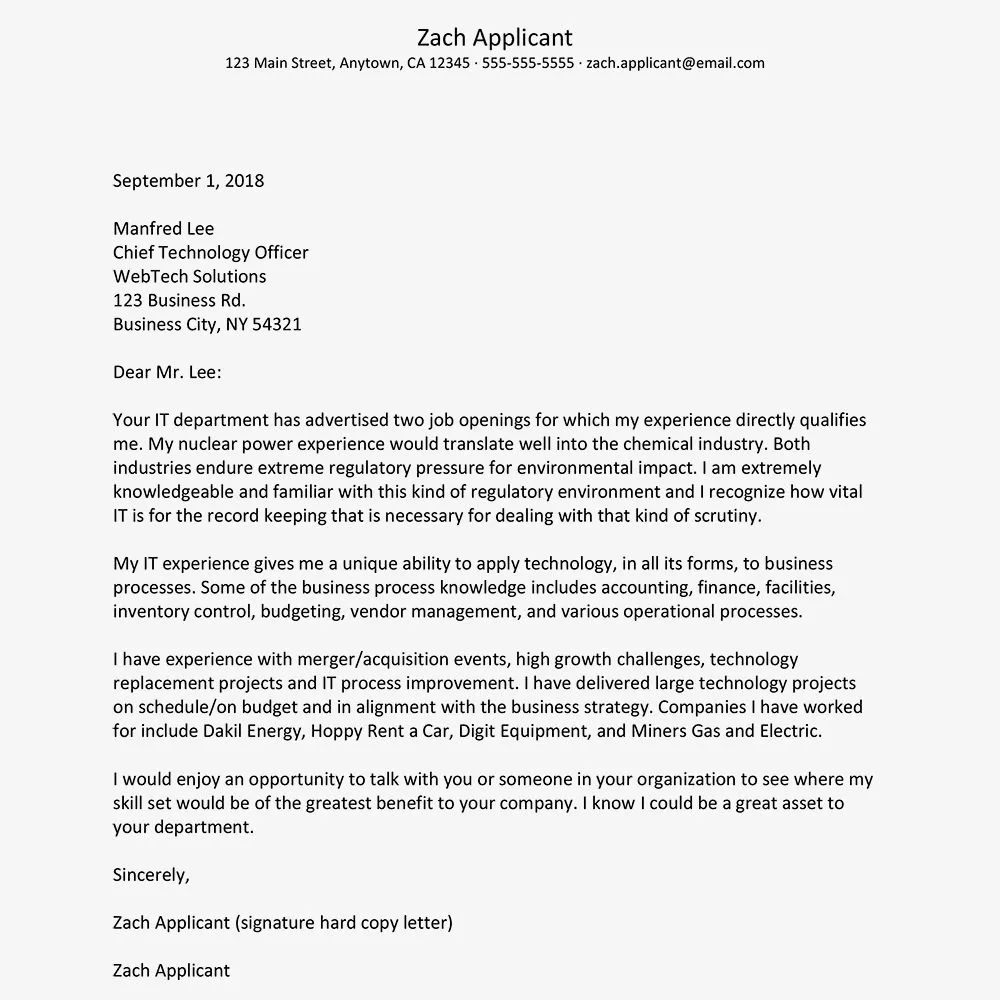
Start your cover letter with a professional header that includes your full name, contact information (phone number and email address), and the date. If you know the hiring manager’s name, include it; otherwise, use a general greeting like ‘Dear Hiring Manager’. Make sure your contact information is up-to-date and easily accessible. Ensure your email address sounds professional. This section sets the stage for the rest of your letter, so it is important to get it right from the beginning. It is also important that the font that you choose is readable, it is recommended to use font like Arial or Calibri.
Addressing the Hiring Manager

Personalizing your cover letter is crucial. Whenever possible, address the hiring manager by name. This shows that you’ve done your research and are genuinely interested in the position. If you can’t find the name, use a professional greeting like ‘Dear Hiring Manager’ or ‘Dear [Company Name] Hiring Team’. Avoid generic greetings such as ‘To Whom It May Concern’, as they lack the personal touch that makes your letter more engaging. If you are applying for a high position, the hiring manager might have a very busy schedule. Therefore, it is recommended that you keep it concise and to the point.
Opening Paragraph Grab Their Attention
The opening paragraph is your first opportunity to grab the hiring manager’s attention. Start with a strong hook that immediately captures their interest. Mention the specific position you’re applying for and where you found the job posting. Briefly state why you’re a great fit for the role, highlighting your most relevant skills and experience. Show enthusiasm and convey your excitement about the opportunity. Avoid generic opening lines; instead, make it clear why you’re the ideal candidate and what you can bring to the company. Make sure that the opening is concise and straight to the point, the first impression matters.
Highlighting Your Skills and Experience
The body of your cover letter should focus on your skills, experience, and accomplishments. Relate your qualifications to the job requirements, using specific examples to demonstrate how you’ve succeeded in the past. Instead of simply listing your responsibilities, explain how your skills and experiences align with the job description. Tailor this section to each job you apply for, emphasizing the most relevant information. Quantify your accomplishments whenever possible, using numbers and data to showcase your impact. Structure this part of your cover letter into concise paragraphs, each addressing a specific skill or experience.
Showcasing Relevant Achievements

Use the body section to highlight your relevant achievements. This section is your chance to showcase your success, so the potential employer can see your track records. Provide specific examples of how you’ve contributed to previous employers or projects. Use the STAR method (Situation, Task, Action, Result) to describe each achievement clearly and concisely. Quantify your achievements whenever possible, using metrics and data to showcase your impact. For example, ‘Increased sales by 20%’ or ‘Managed a team of 10 people and improved project efficiency by 15%’. These measurable results provide concrete evidence of your abilities.
Quantifying Your Accomplishments
Quantifying your accomplishments is a key to making your cover letter more persuasive. Instead of simply saying that you improved a process, explain by how much. Use numbers, percentages, and data to demonstrate your impact. For example, instead of saying, ‘Improved customer satisfaction,’ say, ‘Increased customer satisfaction scores by 15%’. Quantifying your accomplishments provides concrete evidence of your abilities and allows the hiring manager to easily assess your value. Including these kinds of data helps demonstrate your abilities, which will help your application.
Expressing Enthusiasm and Company Knowledge
Demonstrate your genuine interest in the company and the role. Research the company’s mission, values, and recent news, and incorporate this knowledge into your cover letter. Explain why you’re excited about the opportunity and how your skills align with the company’s goals. This shows that you’ve taken the time to understand the company and that you’re genuinely interested in joining their team. Mentioning specific aspects of the company that appeal to you demonstrates your initiative and makes your cover letter more compelling. Avoid generic statements; instead, be specific and show how you can contribute to the company’s success.
Call to Action and Closing

Conclude your cover letter with a clear call to action and a professional closing. Restate your interest in the position and express your enthusiasm for the opportunity to discuss your qualifications further. Thank the hiring manager for their time and consideration. Include a polite and professional closing, such as ‘Sincerely’ or ‘Best regards’, followed by your full name. Make sure your closing is concise and that it leaves a positive and lasting impression. Proofread everything to ensure there are no typos or grammatical errors.
Formatting and Design Best Practices
The formatting and design of your cover letter are just as important as the content. Choose a professional font, such as Arial or Times New Roman, and use a font size that’s easy to read (11 or 12 points). Use single spacing and leave a space between paragraphs. Maintain a clean and uncluttered layout. Ensure your cover letter is well-organized and easy to navigate. Use bullet points to highlight key skills and accomplishments. Use a consistent style throughout the document. Avoid using excessive colors or design elements that could distract from the content. Keep the letter concise – aim for one page if possible.
Avoiding Common Mistakes
Avoiding common mistakes is essential to writing a cover letter. Typos, grammatical errors, and poorly formatted documents can immediately damage your chances of getting an interview. Ensure the content of the cover letter is relevant to the job you are applying for. You should tailor the letter to each specific job, highlighting relevant skills and experiences. Furthermore, make sure the cover letter is not too long. Aim for one page, as hiring managers have limited time to review each application. If you avoid these common pitfalls, you will increase your chances of standing out from the crowd.
Generic and Unfocused Content

One of the biggest mistakes is submitting a generic cover letter that could be used for any job. Your cover letter should be tailored to each specific position, highlighting the skills and experiences that are most relevant to the job description. Avoid using vague or generic language. Instead, provide specific examples of how you’ve succeeded in the past. Focus on what you can bring to the company and how your skills align with their needs. Always tailor your letter to the specific job. Research the company and tailor your letter to demonstrate your understanding of their needs.
Typos and Grammatical Errors
Typos and grammatical errors can be incredibly damaging to your application. They create a negative first impression and suggest a lack of attention to detail. Proofread your cover letter carefully before submitting it. Use a spell checker and grammar checker, but don’t rely on them entirely. Have someone else review your cover letter to catch any errors you may have missed. Typos and grammatical errors can be a major turnoff for potential employers, so it is very important that you proofread carefully.
Being Too Lengthy
Hiring managers are often overwhelmed with applications, so they have limited time to review each one. Keep your cover letter concise and to the point. Aim for one page, focusing on the most relevant information. Avoid unnecessary details or lengthy explanations. Every sentence should contribute to the overall message of your cover letter. Respect the hiring manager’s time by presenting your qualifications in a clear and efficient manner. It is important that you get your point across quickly and efficiently.
Failing to Tailor to the Job

Submitting a generic cover letter is a common mistake. A cover letter must be tailored to each job you apply for. You need to do research on the company and the specific role. Customize your cover letter to highlight the skills and experiences that are most relevant to the job description. Show that you understand the company’s needs and that you’re a good fit for their culture. Demonstrate your enthusiasm by mentioning the specific aspects of the role that appeal to you. Taking the time to tailor your cover letter is one of the most effective ways to increase your chances of getting an interview.
Proofreading and Editing Your Cover Letter
Proofreading and editing are crucial steps in the cover letter writing process. Take the time to carefully review your cover letter before submitting it, as any errors could damage your chances. Make sure everything is accurate, clear, and concise. A polished cover letter demonstrates professionalism and attention to detail.
Tools and Techniques for Perfection
Utilize available tools and techniques to improve the quality of your cover letter. Use a spell checker and grammar checker to catch any obvious errors. Read your cover letter aloud to identify awkward phrasing or sentences. Check for consistency in formatting and tone. Take breaks during the writing process to refresh your perspective. Ensure every sentence contributes to your message. Utilize tools like Grammarly, to help ensure it is free of errors.
Seeking Feedback From Others
Ask a trusted friend, family member, or career advisor to review your cover letter. They can provide valuable feedback on your writing style, clarity, and overall effectiveness. Ask them to look for any typos, grammatical errors, or areas where the content could be improved. Fresh eyes often catch mistakes that you may have missed. Consider asking someone with experience in your field to provide feedback on the content. Reviewing with a professional can help you increase your chance of success.
Final Thoughts
Writing a compelling cover letter is an essential skill for any job seeker. It’s your chance to showcase your personality, highlight your skills, and express your genuine interest in the position. By understanding the power of a cover letter, crafting a winning document, and avoiding common mistakes, you can significantly increase your chances of getting an interview. Always remember to tailor your cover letter to each job you apply for and proofread carefully before submitting it. A well-written cover letter can make all the difference in your job search, so invest the time and effort to create a document that will help you stand out from the crowd. Use this guide as your resource and start applying for the job you want today.