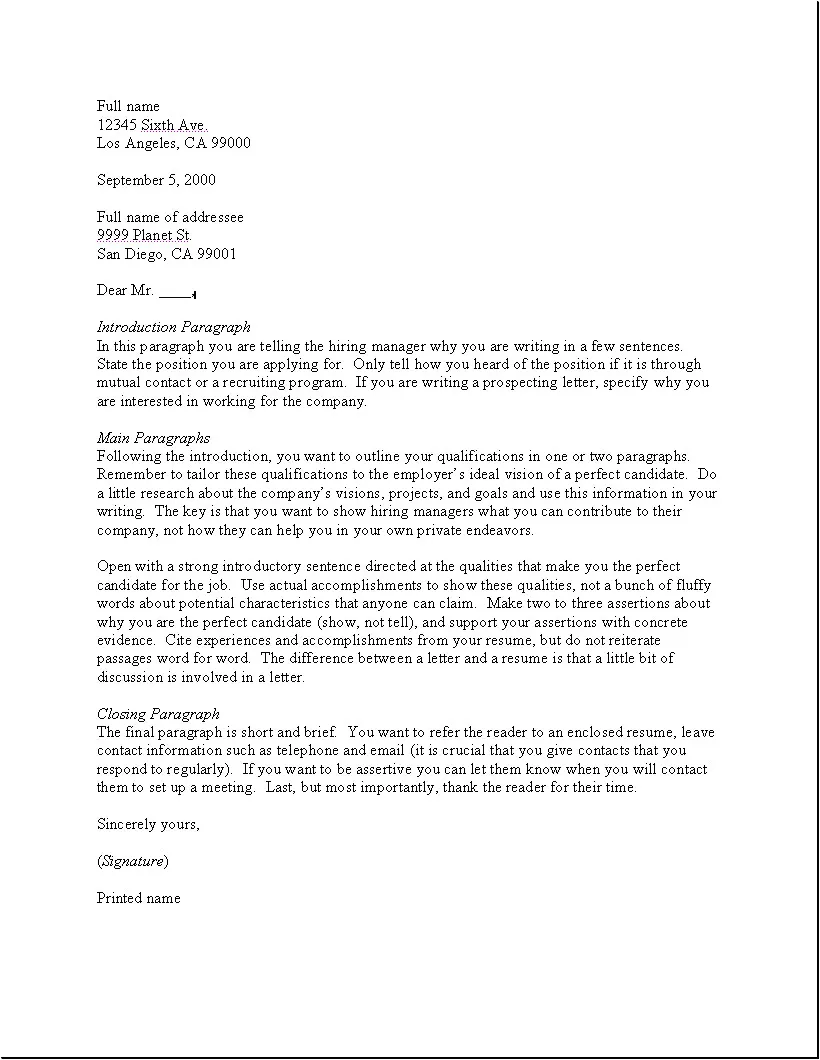
What is a Cover Letter and Why Do You Need One?
A cover letter is a crucial document that accompanies your resume when applying for a job. It serves as your introduction to the hiring manager, providing an opportunity to showcase your personality, skills, and enthusiasm for the position. In today’s competitive job market, a well-crafted cover letter can significantly increase your chances of landing an interview. It allows you to expand on the information in your resume, highlight specific achievements, and explain why you are the perfect fit for the role. While a resume provides a snapshot of your qualifications, the cover letter offers a more personal and engaging narrative.
Understanding the Purpose of a Cover Letter
The primary purpose of a cover letter is to persuade the hiring manager that you are worth considering for an interview. It’s your chance to make a strong first impression and demonstrate your communication skills. Think of it as a sales pitch where you’re selling yourself and your abilities. The cover letter allows you to tailor your application to the specific job and company, showing that you understand their needs and are genuinely interested in the opportunity. It also provides an opportunity to address any gaps in your resume or explain career transitions.
Key Components of an Effective Cover Letter

A compelling cover letter consists of several key components that work together to create a positive impression. Each section plays a vital role in effectively communicating your qualifications and interest in the position. From the initial greeting to the final call to action, every element should be carefully crafted to maximize your chances of success. A well-structured cover letter follows a logical flow, guiding the reader through your relevant skills, experiences, and enthusiasm for the job. It provides a concise yet comprehensive overview of why you are the ideal candidate.
Contact Information and Date
Begin your cover letter with your contact information, including your name, address, phone number, and email address. This should be placed at the top of the letter, typically aligned to the left or right. Following your contact information, include the date. This helps the hiring manager know when the letter was written. Ensure your contact information is accurate and up-to-date, as this is how recruiters will reach out to you.
Greeting the Hiring Manager
Address the hiring manager by name whenever possible. Research the company and use LinkedIn or the company website to find the hiring manager’s name. If you cannot find a specific name, use a professional greeting such as “Dear Hiring Manager” or “Dear [Company Name] Hiring Team.” Avoid generic greetings like “To Whom It May Concern,” as these can make your letter feel impersonal. Addressing the letter to a specific person shows that you have taken the time to research the company and are genuinely interested in the position.
Opening Paragraph Crafting a Compelling Start

The opening paragraph is your opportunity to grab the hiring manager’s attention. Start with a strong statement that immediately highlights your interest in the position and the company. Briefly mention how you learned about the job and why you are excited about the opportunity. You can also include a brief summary of your most relevant skills or experience. Make sure to clearly state the specific position you are applying for. The opening paragraph sets the tone for the rest of your letter and encourages the reader to continue reading.
Body Paragraphs Highlighting Your Skills and Experience
The body paragraphs are where you provide detailed information about your qualifications and how they align with the job requirements. Focus on the skills and experiences that are most relevant to the position. Use specific examples to illustrate your accomplishments and demonstrate your value. Explain how your skills and experiences have prepared you for the role. Tailor each paragraph to match the specific job description, highlighting the key requirements the employer is seeking. This section is where you sell your abilities and convince the hiring manager you are the best candidate.
Quantifying Achievements Using Numbers and Data
Whenever possible, quantify your achievements using numbers and data. This adds credibility to your claims and demonstrates the impact you have made in previous roles. Instead of saying “Improved customer satisfaction,” say “Increased customer satisfaction by 15% through implementing a new feedback system.” Use metrics to showcase your successes and provide concrete evidence of your capabilities. This helps the hiring manager quickly understand the value you bring to the table and how you have contributed to previous employers. Providing specific numbers makes your achievements more memorable.
Tailoring Your Letter to the Job Description

Carefully review the job description and tailor your cover letter to match the specific requirements and keywords. Highlight the skills and experiences the employer is seeking and provide examples of how you have demonstrated those qualities in the past. Show the hiring manager that you understand the role and are capable of performing the required tasks. By customizing your letter for each job, you show that you have taken the time to understand the company’s needs and are genuinely interested in the opportunity. This approach significantly increases your chances of getting noticed and selected for an interview.
Closing Paragraph Expressing Enthusiasm and Call to Action
In the closing paragraph, reiterate your enthusiasm for the position and the company. Thank the hiring manager for their time and consideration. Clearly state your interest in an interview and how you can be reached. A strong call to action encourages the hiring manager to take the next step and contact you. End with a professional closing, such as “Sincerely” or “Best regards,” followed by your name. Make it clear that you are eager to discuss your qualifications further and demonstrate your commitment to the role.
Formatting and Design Tips
The formatting and design of your cover letter are crucial for making a positive first impression. A well-formatted letter is easy to read, professional-looking, and reflects attention to detail. Ensure that your cover letter is visually appealing and easy for the hiring manager to scan quickly. Proper formatting helps to highlight your key information and make your letter stand out from the competition. A clean and organized layout reflects your professionalism and commitment to quality.
Choosing the Right Font and Font Size

Select a professional and easy-to-read font, such as Times New Roman, Arial, or Calibri. Use a font size between 10 and 12 points for the body of your letter. Ensure that the font size is comfortable to read and doesn’t strain the eyes. Avoid using overly decorative or unusual fonts, as these can make your letter look unprofessional. Consistency in font style and size throughout the document creates a polished and professional appearance. Choosing a readable font ensures that your message is easily understood by the hiring manager.
Maintaining a Professional Tone
Maintain a professional and respectful tone throughout your cover letter. Use formal language and avoid slang or colloquialisms. Proofread carefully for any typos or grammatical errors. Ensure that your writing style is clear, concise, and to the point. Your cover letter should reflect your personality, but maintain a professional demeanor appropriate for a job application. Using professional language shows that you take the application process seriously and are committed to the role.
Proofreading and Editing
Proofread your cover letter carefully for any errors in grammar, spelling, and punctuation. Errors can create a negative impression and detract from your qualifications. Use a spell checker and grammar checker, but also read the letter aloud to catch any mistakes that these tools might miss. Ask a friend or colleague to review your letter as a second pair of eyes. Taking the time to proofread your cover letter shows attention to detail and professionalism.
Common Cover Letter Mistakes to Avoid

Avoiding common cover letter mistakes can significantly improve your chances of success. Many applicants make mistakes that can hurt their application. Understanding these mistakes and proactively avoiding them can set you apart from the competition. This helps you to ensure your cover letter makes the best possible impression.
Generic and Uninspired Content
Avoid using a generic cover letter that could be sent to any company. Tailor each cover letter to the specific job and company. Customize your letter to match the requirements of the position. Generic content doesn’t show a genuine interest in the role and can make you seem less enthusiastic. Demonstrate your unique qualifications and why you are a good fit for the company. Doing so will set you apart from other applicants and make your application stand out.
Typos and Grammatical Errors
Typos and grammatical errors can damage your credibility and make you look unprofessional. Proofread your cover letter carefully to eliminate any mistakes. Use a spell checker and grammar checker, but also review the letter yourself. Ask someone else to proofread it as a final check. Errors can create a negative impression and suggest a lack of attention to detail. Double-checking for errors ensures your cover letter is polished and professional.
Lengthy and Overly Detailed Information

Keep your cover letter concise and to the point. Hiring managers are busy, and they don’t have time to read lengthy letters. Focus on the most relevant skills and experiences. Avoid providing unnecessary details that are not directly related to the job. Aim for a cover letter that is approximately one page in length. Be clear, concise, and focus on the key information that demonstrates why you are a good fit for the role. A well-crafted, concise letter will make a more positive impression.
Examples of Great Cover Letters
Reviewing examples of great cover letters can provide inspiration and guidance. Studying different formats and styles can help you create your own effective cover letter. The following examples illustrate how to present your skills, experience, and enthusiasm in a way that grabs the hiring manager’s attention.
Cover Letter Example 1
This example showcases a recent graduate applying for a marketing position. The letter highlights relevant coursework and projects and includes a strong call to action, encouraging the reader to review the resume for more information. The candidate shows their enthusiasm for marketing and provides a clear overview of their skills and experiences, along with the use of targeted keywords related to the specific job posting.
Cover Letter Example 2
This example demonstrates how to address a career change. The letter clearly explains the reasons for the career shift and highlights transferable skills from a previous role. The candidate focuses on how they can add value to the new position and includes achievements relevant to the target role, creating a compelling case for their candidacy.
Cover Letter Example 3
This example showcases a professional with years of experience applying for a leadership position. The letter emphasizes accomplishments and leadership qualities and shows the candidate’s ability to make a positive impact. The candidate focuses on demonstrating their qualifications and experience to align with the job requirements, while using a professional tone and incorporating relevant keywords.
Conclusion
Writing a strong cover letter is essential for making a positive first impression and increasing your chances of landing an interview. By following the guidelines and tips outlined in this guide, you can create a compelling cover letter that highlights your skills, experience, and enthusiasm for the job. Remember to tailor your letter to each job application, proofread carefully, and showcase your unique value. A well-crafted cover letter can be your key to unlocking new career opportunities. Good luck with your job search!