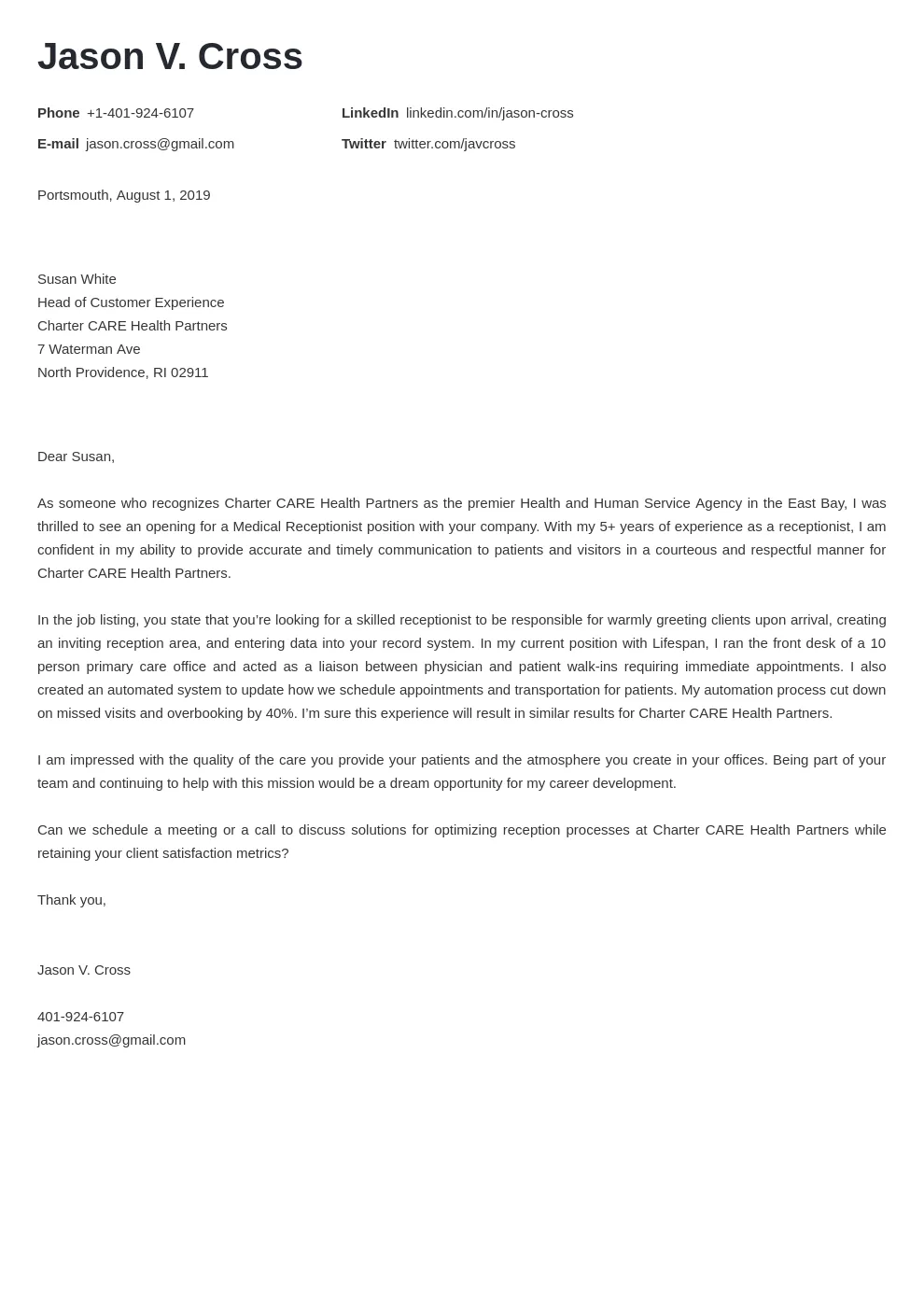
What is a Cover Letter Address?
The cover letter address is a crucial component of a professional cover letter. It’s the block of text at the top of your letter that provides essential information for the recipient, establishing a formal and respectful tone. Think of it as your first point of contact, setting the stage for the rest of your application. It clearly outlines your contact details, the date, and the recipient’s information, ensuring your letter reaches the right person within the company. A well-formatted address demonstrates attention to detail and professionalism, qualities that employers highly value. This part of the cover letter is a simple yet powerful way to make a positive first impression and make the best of your chances.
Why the Cover Letter Address Matters
A well-crafted cover letter address does more than just provide information; it significantly impacts the impression you make on a potential employer. It’s a sign of professionalism and attention to detail, demonstrating that you’ve taken the time to properly format and personalize your application. Addressing your letter to the correct person, if possible, shows that you’ve done your research and are genuinely interested in the role and the company. This level of care is a powerful signal that you’re serious about the opportunity and that you understand the importance of effective communication. Including the correct address information also helps to ensure that your application doesn’t get lost, goes straight to the right person, and increases the chances of it being reviewed.
Components of a Cover Letter Address

The cover letter address consists of three primary sections, each designed to convey essential information clearly and concisely. These sections are arranged in a specific order, creating a professional and easily readable format. Understanding each part is critical to writing a cover letter address. It ensures that you provide all the necessary details and that your address follows standard business letter conventions. The correct format not only looks professional but also aids in the smooth delivery of your application. The correct format enhances the overall quality of your application materials.
Your Contact Information
Your contact information is placed at the top of the address, usually aligned to the left. This section includes your full name, address, phone number, and email address. Make sure the contact information is accurate and up-to-date. Presenting your contact details in a clear and easy-to-read format enables the hiring manager to quickly and easily reach you. It’s essential to double-check for any typos and confirm that your email address is professional. This is the fastest path for the hiring manager to reach you, so ensure the email address is an appropriate one, and the phone number is accessible.
Date
Following your contact information, include the current date. This date is critical as it indicates when you wrote the letter. The date is usually placed directly below your contact details, typically aligned to the left. Use a standard format such as Month, Day, Year. The date helps the recipient understand when the letter was written. This information is useful for tracking and record-keeping within the company. The consistent use of the date provides a professional and formal element to your cover letter, highlighting attention to detail.
Recipient’s Information

The recipient’s information is the final part of the cover letter address, and it should be placed directly below the date. This section comprises the recipient’s name, title, and the company’s name and address. Addressing your letter directly to the hiring manager or the person responsible for reviewing applications is best. This level of personalization shows that you have researched the company and the role. If you do not know the hiring manager’s name, try to find it through the company’s website, LinkedIn, or other professional platforms. If you can’t find a specific person, then use a professional title, like “Hiring Manager.”
Company Name
The company name should be written as the first line of the recipient’s information. It sets the context for whom you’re writing and shows you know where your application is headed. Ensure the company name is written in full and accurately. If the company has a specific brand name or uses a particular format for its name, follow it. The name of the company adds to the professional look and demonstrates your understanding of the company you are applying to.
Recipient’s Name and Title
If you know the name of the hiring manager or the specific person to whom you’re addressing the letter, this is where you include it. Begin with a professional title, like ‘Mr.’, ‘Ms.’, ‘Dr.’, or other appropriate title, followed by the full name. Below their name, include their job title or role within the company. This personalization shows that you’ve taken the time to research and tailor your application. Getting the recipient’s name and title correct demonstrates your attention to detail and your professional approach. Proper formatting adds a layer of respect and consideration to the letter.
Company Address

Include the full company address below the recipient’s name and title. The address should contain the street address, city, state, and zip code. Ensure that the address is accurate to help with mail delivery or internal routing, especially if you’re sending a physical copy. Double-check the company’s website or other reliable sources to confirm the correct address. Including the company address in your cover letter shows that you have the essential details. This simple element indicates your thoroughness.
Formatting Your Cover Letter Address
Correct formatting is essential for a professional appearance. Consistent formatting across the address ensures that your cover letter looks clean and is easy to read. Formatting also signals your attention to detail and professionalism. Take the time to get the details right. A well-formatted address is more likely to be noticed by the hiring manager.
Placement of the Address
The cover letter address is always placed at the top of the letter, just below the salutation. This location is a standard practice and is easily recognized by hiring managers. Typically, the address is aligned to the left. Keeping the address at the top and left side of the cover letter is consistent. This location immediately allows the reader to identify the sender and the recipient. This layout is standard for a business letter.
Font and Style Considerations

Use a standard, readable font such as Times New Roman, Arial, or Calibri for your cover letter address. The font size should typically be between 10 and 12 points, which is easy to read. Choose a font style that matches the rest of your cover letter, ensuring a consistent and professional appearance. Maintain a simple and uncluttered style. Keep the text in black to keep your application professional. Avoid using excessive formatting options. Choose fonts and sizes that are universally readable on any computer or device.
Common Mistakes to Avoid
Avoiding common mistakes is crucial for making a positive impression. Incorrect formatting, inaccurate details, or a lack of professionalism can undermine your application. A little effort in the address section can prevent common pitfalls. Pay close attention to detail and be sure to proofread your entire cover letter. Taking extra steps to avoid these mistakes will increase your chances of success. Avoiding common errors will elevate the overall quality of your application materials.
Incorrect Contact Information
Ensure that the contact information you provide is entirely correct. This includes your address, phone number, and email address. An error in your contact information could prevent the hiring manager from reaching you. Check that your phone number is active and your email is professional. A typo can mean you miss out on job opportunities. Always double-check your information and make sure it is accurate, up-to-date, and appropriate.
Addressing the Wrong Person

If you can, address your cover letter to a specific person, such as the hiring manager or the recruiter. If you don’t know who to address it to, it’s fine to use a title like ‘Hiring Manager.’ Avoid using a generic greeting or addressing the cover letter to the wrong person, as this can make it look like you haven’t researched the company. If a name is available, use it to personalize your cover letter. Always try to find the appropriate contact person, even if it requires a bit of research. If a name is not available, the hiring manager title is a good alternative.
Neglecting Professionalism
Maintain a high level of professionalism throughout your cover letter address. Avoid using informal language, slang, or casual formatting. A cover letter is a formal document, so keep the tone appropriate for the situation. Your cover letter address reflects your overall professionalism and attention to detail. Always use a professional email address and a formal tone. Maintain a professional appearance in all aspects of your application.
Tips for Different Scenarios
Different situations may call for different approaches when crafting the cover letter address. Knowing how to address your cover letter in different scenarios will increase your chances of making a positive impression. Be sure to adjust your approach to match the specific details of the job and the company. You can adapt your address to fit the situation. Tailoring your approach to different scenarios ensures that your cover letter resonates with the reader.
When to Use a Specific Person

If you know the name of the hiring manager or the person reviewing applications, always use their name. This personalizes your cover letter and shows that you have researched the company and the job. If possible, find the name through the job posting, the company’s website, or LinkedIn. When you address the cover letter to a specific person, use a formal title, such as Mr., Ms., or Dr. This personal touch helps build a connection and demonstrates attention to detail.
When to Use a Department
If you can’t find a specific person’s name, it is acceptable to address your cover letter to a department, such as “Hiring Manager” or “Human Resources Department.” This is better than using a generic greeting. Addressing the letter to a department indicates that you are aware of the company’s structure and shows your ability to adapt when specific information is not available. This is a simple, professional way to ensure your cover letter goes to the right place.
When the Contact is Unknown
If you can’t find any specific contact information, you can use a general salutation, such as ‘Dear Hiring Manager’. If no name is available, do some research to see if the hiring manager’s name is listed on the job posting or company website. Make sure the general salutation is a professional option and the best alternative. While it is not ideal, using a general salutation is acceptable.
Final Thoughts on Cover Letter Addresses

The cover letter address might seem like a small part of the application, but it sets the tone. It is a simple way to show professionalism and attention to detail. Always make sure your address is well-formatted, accurate, and personalized when possible. Taking the time to craft the perfect cover letter address improves your chances of getting your application seen. A well-crafted cover letter address can leave a positive first impression and show that you understand the importance of the details.