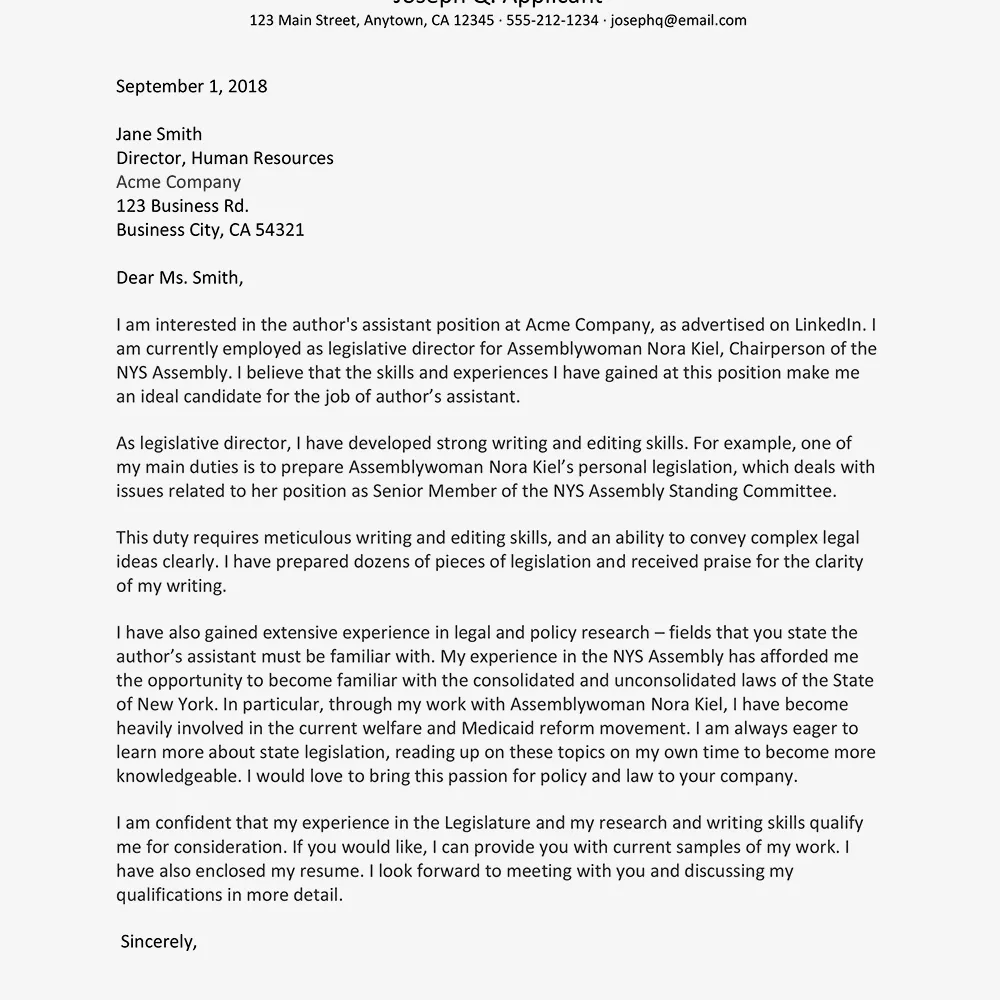
What is a Cover Letter
A cover letter is a crucial document that accompanies your resume when applying for a job. It serves as your introduction to the hiring manager, providing an opportunity to express your interest in the position and elaborate on your qualifications. Unlike a resume, which presents a factual summary of your experience and skills, a cover letter allows you to tell a story, connecting your abilities to the specific requirements of the job and demonstrating your enthusiasm for the opportunity. Think of it as your personal sales pitch, designed to persuade the employer to read your resume and invite you for an interview. A well-crafted cover letter can significantly increase your chances of landing an interview, while a poorly written one can lead to your application being overlooked.
Why Cover Letters Matter
In today’s competitive job market, a cover letter is often the deciding factor between getting an interview and being overlooked. It offers a platform to showcase your personality, passion, and specific reasons for wanting the job. Many hiring managers consider a cover letter essential because it reveals whether you have taken the time to research the company and understand the role. It’s an opportunity to explain any gaps in your employment history, highlight transferable skills, and show how your unique background aligns with the company’s values and goals. A strong cover letter can set you apart from other candidates, demonstrating your attention to detail, communication skills, and genuine interest in the position.
Cover Letter Benefits

Cover letters offer numerous benefits. First, they provide a space to personalize your application and show why you are a good fit for the company culture. Second, they allow you to address specific job requirements and highlight your relevant skills and experience. Third, they demonstrate your writing proficiency and attention to detail. Fourth, they allow you to explain any unusual circumstances or career transitions in your resume. Fifth, they offer a chance to express your enthusiasm and passion for the role and the company. Using these benefits can help you make a lasting impression and increases your chances of getting an interview. Additionally, they help the hiring manager to understand more about you as a person, helping them to decide whether you’re a good fit for their company.
Cover Letter Essentials
Creating a compelling cover letter involves several essential elements. These components work together to present a clear, concise, and persuasive argument for why you should be hired. Start with a professional and well-formatted document. Then, include all the necessary contact and recipient information. Craft a compelling opening paragraph that grabs the reader’s attention. In the main body, highlight your skills and experience, quantifying your achievements whenever possible. Then, tailor your letter to address the job requirements and showcase how your qualifications align with the position. Finally, close your letter with a strong call to action and a professional sign-off.
Contact Information
Your contact information should be at the top of the cover letter, usually left-aligned. This includes your full name, phone number, email address, and optionally, your LinkedIn profile URL or personal website. Ensure that your contact information is accurate and up-to-date. This allows the hiring manager to easily reach you if they are interested in scheduling an interview. Presenting your contact details professionally gives a good first impression and shows that you pay attention to detail.
Your Name and Contact Details

Begin by typing your full name in a slightly larger font size than the rest of the text. Underneath your name, list your phone number, email address, and LinkedIn profile URL. Ensure the email address you use is professional and that your LinkedIn profile is updated. Make sure that all of the contact information is correct, so that the hiring manager can reach you. Double-check everything before sending the cover letter.
Recipient’s Information
Directly below your contact information, include the recipient’s details. This usually consists of the hiring manager’s name, their job title, the company name, and the company’s address. If you can’t find the hiring manager’s name, try to find it on LinkedIn, the company website, or the job posting. Using the correct name demonstrates that you have done your research and are genuinely interested in the position. This personalization can help you stand out from generic applications.
Addressing the Hiring Manager
Always address your cover letter to a specific person if possible. This shows that you’ve taken the time to research the company and the role. Use “Dear Mr./Ms./Mx. [Last Name]” for the salutation. If you are unsure of the hiring manager’s gender, use their full name. Avoid generic greetings such as “To Whom It May Concern” or “Dear Hiring Manager,” as they can make your letter feel impersonal. Tailoring your greeting to the specific recipient is a small but effective way to make a positive impression.
Opening Paragraph

The opening paragraph is your chance to immediately grab the reader’s attention. It should clearly state the position you are applying for, where you found the job posting, and why you are interested in the role. You want to create a compelling first impression and entice the hiring manager to read on. Keep the opening concise and focused, highlighting your enthusiasm and mentioning a key skill or experience that aligns with the job description.
Grab Their Attention
Start with a strong hook. This could be a brief statement about your most relevant experience or a memorable achievement. If you have a connection to the company or its values, mention it here. Avoid generic openings like “I am writing to apply for…” Instead, try to express your passion and excitement for the opportunity. The goal is to make the reader want to learn more about you and why you’re the perfect candidate. Use action verbs and powerful language to make your opening memorable.
Express Your Enthusiasm
Show genuine interest in the position and the company. Explain why you are excited about the opportunity and what specifically attracts you to the role or the organization. Demonstrate that you have done your research by mentioning something specific about the company or its mission that resonates with you. Your enthusiasm will make your application more engaging and memorable. It shows the hiring manager that you are not just applying for any job, but that you genuinely want to be a part of their team.
Highlight Your Skills

The body of your cover letter is where you provide evidence of your qualifications. This is where you connect your skills and experience to the specific requirements of the job. Focus on the key skills and experiences that are most relevant to the position. Use the job description as your guide, and tailor your examples to match what the employer is seeking. Always be sure to provide concrete examples of how you have demonstrated these skills in the past, ideally using quantifiable achievements.
Showcase Relevant Experience
Select 2-3 of your most relevant experiences. For each, briefly describe your responsibilities and then highlight the accomplishments that demonstrate your skills. Focus on achievements rather than simply listing your duties. Use the STAR method (Situation, Task, Action, Result) to structure your examples. This helps the hiring manager to understand the context, your role, the actions you took, and the positive outcome. Tailor your examples to align with the key requirements outlined in the job description.
Quantify Your Achievements
Whenever possible, quantify your accomplishments. Use numbers, percentages, and specific metrics to demonstrate the impact of your work. For example, instead of saying “Improved customer satisfaction,” say “Increased customer satisfaction by 15% within six months.” Quantifying your achievements makes your claims more credible and helps the hiring manager understand the tangible value you can bring to the role. It shows that you pay attention to results and can deliver measurable outcomes.
Address the Job Requirements

Carefully review the job description and identify the key skills, experience, and qualifications the employer is seeking. Then, address these requirements in your cover letter by directly stating how your skills and experiences match those criteria. Use the same keywords and phrases from the job description. This helps the hiring manager quickly see that you meet their needs. Provide specific examples that show how you have demonstrated these skills in the past. This helps to make a compelling case for your candidacy.
Closing the Cover Letter
The closing of your cover letter is a critical opportunity to reinforce your interest and encourage the hiring manager to take action. Keep the closing concise and professional, and make it clear that you are eager to move forward in the hiring process. Avoid clichés and overly casual language. Restate your enthusiasm and reiterate your value. Make the closing memorable and impactful.
Reiterate Your Interest
Restate your interest in the position and the company. Briefly summarize why you believe you are a strong fit and what you bring to the table. Reiterate your enthusiasm and passion for the role. This reinforces your desire to be considered for the position and reminds the hiring manager of your key qualifications. Showing genuine enthusiasm is one way to ensure you make a lasting impression.
Call to Action

Include a clear call to action, such as requesting an interview. State that you are available for an interview at their earliest convenience. Let the hiring manager know how they can best contact you and express your eagerness to discuss your qualifications further. Make it easy for them to take the next step and move your application forward. Providing a call to action shows you are proactive and confident.
Sign-off and Next Steps
Use a professional sign-off, such as “Sincerely,” “Respectfully,” or “Best regards.” Leave a few lines of space for your signature if you are submitting a hard copy. If submitting electronically, you can simply type your name. After the sign-off, proofread your entire cover letter again to make sure there are no errors. Review your contact information. Then, submit your cover letter with confidence.
Cover Letter Formatting and Style
The formatting and style of your cover letter are just as important as the content. A well-formatted letter demonstrates professionalism and attention to detail. Maintain a clean and easy-to-read layout. Use a clear font, consistent spacing, and proper margins. Pay attention to the overall presentation and aim for a visually appealing document. These elements can help to make a great first impression and show that you take pride in your work.
Font and Layout

Choose a professional font such as Times New Roman, Arial, or Calibri. Use a font size between 10 and 12 points for readability. Use 1-inch margins on all sides. Left-align your text, and use single-spacing within paragraphs and double-spacing between paragraphs. Make sure there is enough white space to make your letter easy to read. Keep your letter to one page long. A concise and visually appealing layout will make a good impression.
Proofreading and Editing
Thoroughly proofread your cover letter for any errors in grammar, spelling, and punctuation. Errors can detract from your message and create a negative impression. Read your letter aloud or have someone else review it. Use a spell-checker, but don’t rely on it entirely. Ensure your sentences are clear and concise, and that the tone is professional. Pay attention to detail; your cover letter reflects your professionalism and writing skills.
Cover Letter Examples and Templates
Reviewing cover letter examples and using templates can be helpful. They provide a good starting point and offer different writing styles and formats to choose from. Search online for templates that align with the type of job you are applying for and your industry. Customize the template to reflect your unique skills, experience, and personality. Remember to always tailor your cover letter to the specific job description. Cover letter examples and templates are valuable tools in your job search.