Why the Cover Letter Ending Matters
The ending of your cover letter is more than just a formality; it’s your last chance to make a strong impression and secure an interview. It’s the final piece of the puzzle, the opportunity to leave a lasting positive image in the hiring manager’s mind. A well-crafted cover letter ending can be the difference between your application being tossed aside and being moved to the “interview” pile. It’s the space where you can reiterate your interest, express your enthusiasm, and set the stage for the next step in the hiring process. Neglecting this crucial part of your cover letter is like running a marathon and collapsing just before the finish line. You’ve come so far, don’t let a weak ending undermine all your previous efforts. This is where you solidify your candidacy and make it impossible for the hiring manager to forget you.
The Importance of a Strong Close
A strong close accomplishes several key objectives. It reinforces your key qualifications, reminds the reader of your enthusiasm, and provides a clear call to action. Your ending should not only summarize what you’ve already stated but also leave the reader feeling confident that you’re the right fit for the role. A well-written ending reflects your professionalism, attention to detail, and genuine interest in the opportunity. A poorly written ending, on the other hand, can undermine everything you’ve built up to that point. This final section is your chance to highlight your key strengths and why you are the best candidate.
Creating a Positive Final Impression

The final impression you leave is what the hiring manager will remember. A positive ending should be concise, enthusiastic, and tailored to the specific job and company. It’s an opportunity to show off your personality and your genuine interest in the position. Make sure that your tone is confident, yet not arrogant, and that you convey your eagerness to learn more about the opportunity. This will also create a memorable impression. Think about what makes you unique and how you can showcase those qualities in a way that reflects what the employer wants.
Top 5 Tips for Ending Your Cover Letter
Here are the top 5 tips to make your cover letter ending stand out from the crowd and land you that interview.
Express Gratitude and Appreciation
Start by expressing your gratitude for the hiring manager’s time and consideration. This simple act of courtesy shows respect and professionalism. It sets a positive tone and indicates that you value the opportunity to be considered. Thanking the hiring manager is a small but significant gesture that leaves a positive mark. This demonstrates that you are thoughtful and appreciative of their time, even if you aren’t selected for the position. Ensure your gratitude feels sincere and not generic. You can do this by incorporating specific details about the company or role into your thank you.
How to show your excitement

Show enthusiasm for the role and company. Instead of simply saying you’re excited, mention a specific aspect that interests you. This could be the company’s mission, a specific project you’d be working on, or the opportunity to learn from experienced professionals. This shows that you’ve done your research and are genuinely interested in the opportunity, making it clear that you are the right fit. Tailor your expression of excitement to the specific job and company, making it clear you are not just sending out a generic letter. It shows that you have thought about the role and what you can bring to it.
Thank the Hiring Manager for Their Time
Conclude with a sincere thank you for their consideration of your application. A simple “Thank you for your time and consideration” or a similar phrase is sufficient. This shows that you value their time. It also demonstrates your professional courtesy. This small gesture shows that you respect their time and that you appreciate the opportunity to be considered for the role. This creates a sense of respect and professionalism that leaves a positive impression.
Reiterate Your Interest in the Position
Briefly restate your strong interest in the position. Remind the hiring manager why you’re the ideal candidate and why you’re excited about the opportunity. Keep it short and sweet, and don’t repeat yourself word-for-word from earlier in the letter. Focus on your most relevant skills and experience, and how they align with the job requirements. The main point is to reinforce your interest and enthusiasm for the role and to remind the hiring manager why they should consider you.
Highlight Key Qualifications Again

In this final section, briefly restate your key qualifications and how they align with the job requirements. This is a concise summary of why you are a good fit for the role. This should be a concise list of your top strengths that directly address the requirements outlined in the job description. Ensure the qualifications you emphasize are directly aligned with the specific needs of the role. This reinforces to the hiring manager that you are the right person for the job.
Mention Your Availability for an Interview
Make it easy for the hiring manager to take the next step by stating your availability for an interview. This can be done by explicitly saying you are available to discuss your qualifications further. Providing your availability proactively demonstrates your enthusiasm and eagerness to move forward in the hiring process. This shows that you are ready and willing to proceed with the next stages, demonstrating your commitment to the role. This reinforces your interest and makes it easy for the hiring manager to contact you.
How to suggest a follow up
Suggesting a follow-up shows that you are proactive and eager to hear back. State your availability and how you can be reached. This demonstrates a clear path to the next stage of the hiring process, whether by email or phone. Make it easy for them to contact you by reiterating your contact information. Make it clear that you are willing to take the initiative to learn more and discuss how you can contribute to their team. This shows that you are not just a passive applicant.
Use a Professional Closing

Choose a professional closing that suits the tone of your cover letter and the industry. Avoid overly casual or informal closings. Ensure it is consistent with the overall tone and formality of your cover letter. You want to show respect and professionalism. Consider the company culture and the specific role you are applying for, and tailor your closing to match. Some examples include, “Sincerely,” “Best regards,” “Respectfully,” or “Thank you for your consideration.”
Example Professional Closing
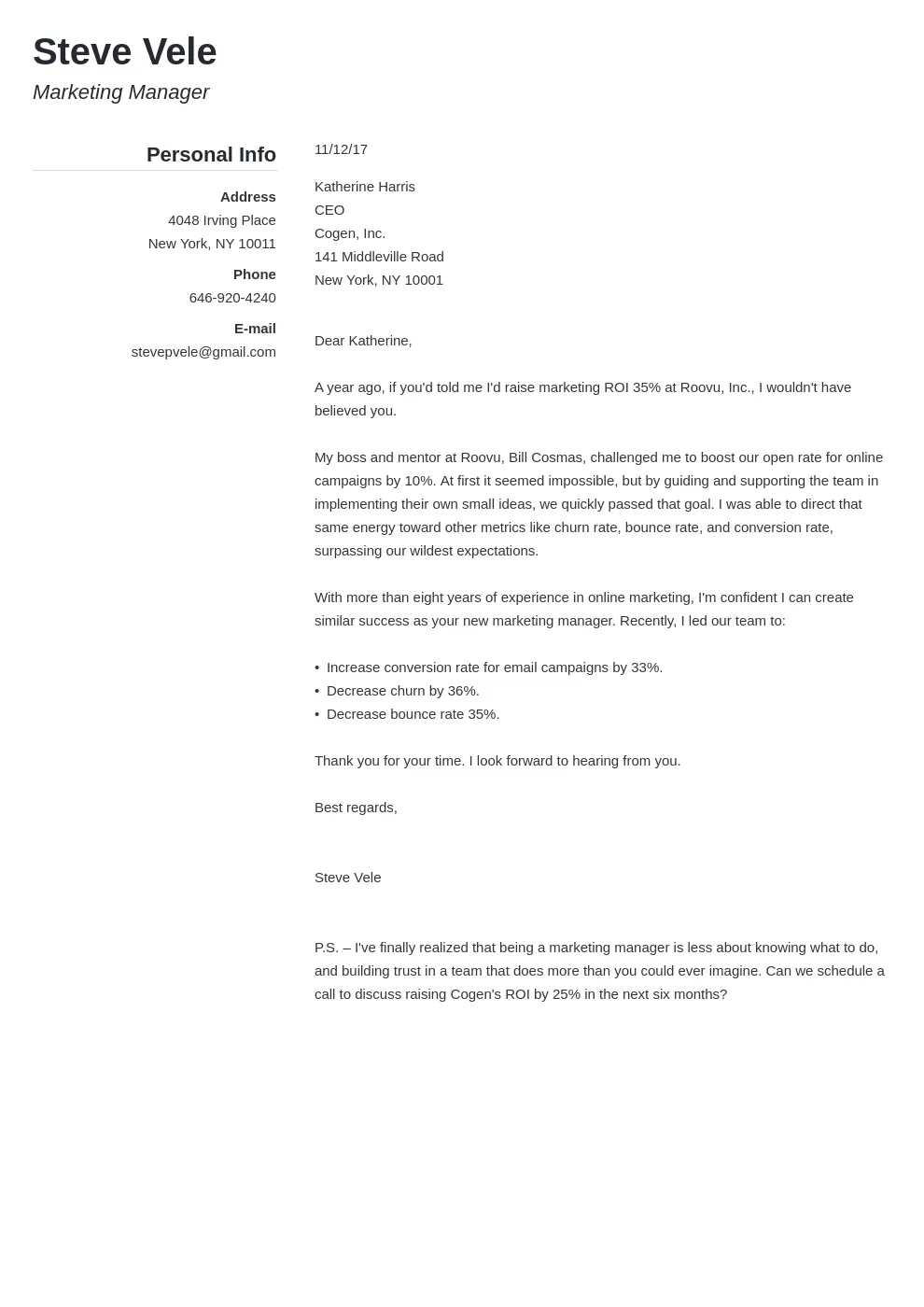
A strong professional closing could look like this “Thank you for considering my application. I am eager to learn more about this opportunity and discuss how my skills and experience align with the needs of your team. I am available for an interview at your earliest convenience and can be reached at [Your Phone Number] or [Your Email Address]. Sincerely, [Your Name]” Use the example as a guide and customize it to match your unique situation. This ensures you leave a positive and professional impression. This closing is concise, expresses your enthusiasm, and provides clear contact information.
Proofread Your Cover Letter Ending
Before submitting your cover letter, always proofread it carefully, especially the ending. Check for any typos, grammatical errors, or awkward phrasing. Ensure that your contact information is accurate and up-to-date. Proofreading is a simple step that can prevent you from making a negative impression. A single error in your closing can undermine the impact of your entire letter. Proofreading is the key to a professional presentation. Consider using a spellchecker, asking a friend to read it, or reading it aloud to catch any mistakes. Pay extra attention to names, titles, and dates. It is your last chance to present yourself as professional and polished.
Common Mistakes to Avoid in Your Cover Letter Ending

Certain mistakes can ruin your chance of securing an interview. Knowing what to avoid is just as important as knowing what to include. These pitfalls can damage your chances of getting the job, so be aware of them and avoid them at all costs. Paying attention to these small details will help you make a great impression and will make you a step closer to landing the job you want.
Using Vague Language
Avoid using vague or generic statements that don’t convey any specific information about your skills or experience. Instead, use specific examples and details that showcase your value to the employer. Instead of saying you are a “hard worker,” provide specific examples of how you have demonstrated hard work. Instead of saying you are “a team player,” provide an example of how you have collaborated effectively with others. The goal is to show, not just tell, why you are a valuable candidate.
Being Too Informal
Maintain a professional tone throughout your cover letter, including the ending. Avoid using slang, casual language, or overly familiar expressions. Ensure that your tone matches the company culture. This doesn’t mean you can’t show your personality, but it should be done in a way that is appropriate for a professional setting. Avoid phrases that might be perceived as too casual. Choose closings like “Sincerely” or “Best regards” instead of anything more casual. Remember, your cover letter is a professional document, and the ending should reflect this.
Not Including Contact Information

Make it easy for the hiring manager to contact you by providing your contact information. Even if your contact details are in your header, reiterate them in the closing. This is a simple but critical step, as it allows the hiring manager to reach you quickly. Ensure your email address and phone number are up-to-date and professional-sounding. Don’t assume the hiring manager will automatically look for your contact information elsewhere. Make sure you include your phone number and email address to make the contact process easier.
Conclusion
The ending of your cover letter is your final chance to make a lasting impression. A well-crafted closing can be the key to securing an interview. By following these tips, you can create an ending that highlights your qualifications, expresses your enthusiasm, and encourages the hiring manager to take the next step. Make sure the ending is professional, error-free, and tailored to the specific job. Don’t underestimate the power of a strong cover letter ending in helping you achieve your career goals. By implementing these suggestions, you’ll be well on your way to crafting a cover letter that stands out.