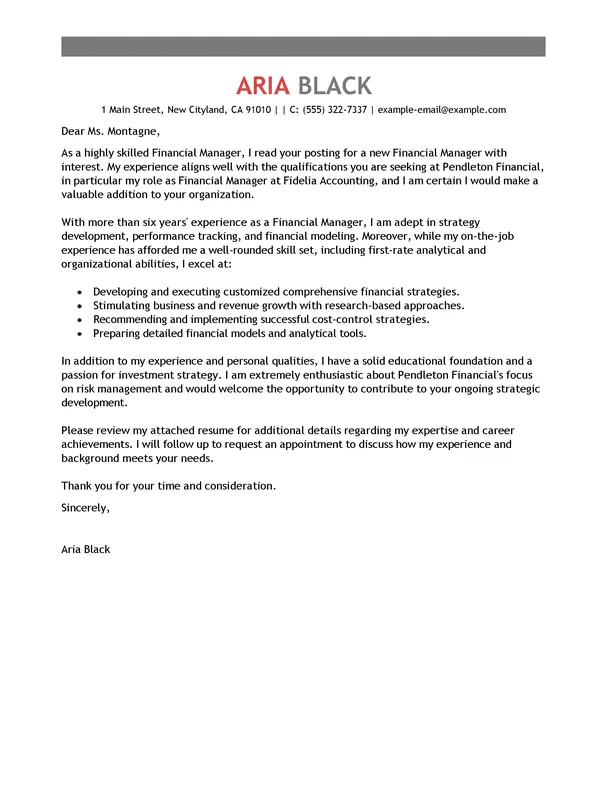
What is a Cover Letter (and Why You Need One)
A cover letter is your first opportunity to make a positive impression on a potential employer. It’s a concise and compelling document that accompanies your resume, offering a personalized introduction and showcasing your suitability for a specific role. Unlike a resume, which provides a chronological overview of your experience and skills, a cover letter allows you to tell a story, highlighting why you’re the perfect fit for the job and the company. In today’s competitive job market, a well-crafted cover letter is no longer optional; it’s essential. It’s a chance to differentiate yourself from other applicants and demonstrate your genuine interest in the position and the organization. It allows you to bridge any gaps in your resume, address specific requirements, and express your enthusiasm for the opportunity. Without a cover letter, your application may be overlooked, especially if the job description explicitly requests one.
The Core Components of a Cover Letter
A strong cover letter comprises several key elements working together to create a persuasive argument for your candidacy. Start with your contact information, followed by the hiring manager’s details, if available. The opening paragraph is crucial; it needs to grab the reader’s attention and immediately state the position you’re applying for and how you learned about it. The body paragraphs should then highlight your relevant skills and experience, demonstrating how they align with the job requirements. Showcase your achievements and quantify your impact whenever possible, using numbers and specific examples to illustrate your contributions. Express your enthusiasm for the opportunity and why you’re a good fit for the company’s culture. Finally, include a call to action, requesting an interview and expressing your gratitude for their time and consideration. Each section must work seamlessly to convey your value and create a memorable impression.
Your Contact Information (Top of the Letter)

At the very top of your cover letter, you should include your contact information. This is the first thing a recruiter or hiring manager will see, and it should be clear and easy to read. Include your full name, address, phone number, and email address. Ensure that your email address is professional and appropriate, preferably using your first and last name. The format should be clean and concise, with each piece of information on a separate line. This ensures that the hiring manager can easily reach you if they want to schedule an interview or learn more about your qualifications. Double-check that all the details are accurate, so there is no chance of a miscommunication. Ensure your phone number is up-to-date and that you have a professional voicemail message set up.
The Hiring Manager’s Contact Info (If You Know It)
If possible, address your cover letter to a specific person. Researching the hiring manager’s name and title can significantly increase your chances of getting noticed. It demonstrates that you’ve taken the initiative to learn about the company and the role. The hiring manager’s information should be placed below your contact details, typically including their name, title, and the company’s address. If you can’t find the hiring manager’s name, it’s acceptable to use a general salutation like ‘Dear Hiring Manager’ or ‘Dear [Department] Team’. Personalizing your cover letter is an important step, as it shows that you are genuinely interested in the position and are willing to take the time to research the company.
The Opening Paragraph (Grab Their Attention)
The opening paragraph is your chance to immediately capture the reader’s attention. Start by clearly stating the position you’re applying for and how you learned about the opportunity. This shows the employer that you are applying for the right job and are aware of the company’s openings. Then, within the first few sentences, briefly highlight your key skills or experiences that align with the job requirements. Consider including a compelling statement that reflects your enthusiasm for the role and the company. This could involve mentioning a specific project you admired, a company value that resonates with you, or a skill that you are eager to utilize. Avoid generic opening lines. The goal is to create an immediate connection and make the reader want to learn more about you.
Highlighting Your Skills and Experience

The body of your cover letter should highlight your relevant skills and experience in detail. Select the skills and experiences that are most closely aligned with the job requirements, and provide specific examples to demonstrate how you have successfully applied them in the past. Focus on achievements rather than just listing your responsibilities. Quantify your results whenever possible, using numbers to illustrate the impact of your contributions. This section of the cover letter is where you bridge the gap between your resume and the job description, explaining how your skills and experience directly translate to success in the role. Use keywords from the job posting to demonstrate your understanding of the role and the company’s needs.
Showcasing Your Achievements (Quantify Your Impact)
Instead of simply listing your responsibilities, focus on your achievements and quantify your impact whenever possible. Use data and metrics to showcase your successes and demonstrate your value to the company. For example, instead of saying ‘Managed social media accounts,’ you could write ‘Increased social media engagement by 40% within six months.’ This level of detail makes your accomplishments more compelling and helps the hiring manager understand the tangible benefits you can bring to the role. Quantifying your achievements highlights your skills and provides concrete evidence of your ability to deliver results. Consider using the STAR method (Situation, Task, Action, Result) to structure your examples and provide context for your accomplishments.
Matching Skills to Job Requirements
Carefully review the job description and identify the key skills and qualifications the employer is seeking. Then, tailor your cover letter to demonstrate how your skills and experience match those requirements. Use the same language and keywords used in the job posting to show that you understand the role and the company’s needs. For each skill or requirement, provide a specific example from your past experience that illustrates your ability to perform the task effectively. Avoid generic statements. Instead, provide concrete evidence of how you have successfully applied your skills in previous roles. This targeted approach demonstrates that you have carefully considered the job requirements and are a good fit for the position.
Expressing Your Enthusiasm (and Fit)

In addition to highlighting your skills and experience, express your genuine enthusiasm for the opportunity and the company. Explain why you’re interested in the specific role and what attracts you to the organization. This could be related to the company’s mission, values, or culture. Research the company’s recent projects or initiatives and mention them in your cover letter to show that you’ve taken the time to understand their work. Demonstrate how your personality and work style align with the company culture. This helps the hiring manager see how you would fit in and contribute to the team. Your passion for the role and the company is a key factor that can make your application stand out.
The Call to Action (Requesting an Interview)
Conclude your cover letter with a clear call to action. This is where you explicitly request an interview and express your interest in discussing your qualifications further. Thank the hiring manager for their time and consideration. Reiterate your enthusiasm for the opportunity and the company. Provide your contact information again, making it easy for them to reach you. Make sure to keep the call to action concise and professional. Avoid being overly demanding. Express your eagerness to learn more about the role and demonstrate your commitment to pursuing the job. Ensure that your closing paragraph leaves a positive and memorable impression.
Formatting and Presentation
The formatting and presentation of your cover letter are critical for creating a professional impression. Choose a clean and easy-to-read font, such as Arial or Times New Roman, and use a font size between 10 and 12 points. Maintain consistent formatting throughout the document. Use appropriate margins and spacing to ensure the text is easy on the eyes. Divide your cover letter into clear paragraphs and use headings and subheadings to organize the content. Ensure that the letter is free of grammatical errors and typos. Poor formatting can make it difficult for the hiring manager to read and understand your message. A well-formatted cover letter shows that you pay attention to detail and take pride in your work.
Choosing the Right Font and Style

The font you choose for your cover letter can impact how the hiring manager perceives your application. Select a professional and readable font. Some good options include Arial, Times New Roman, Calibri, and Helvetica. Avoid using overly decorative or unusual fonts, as they can be distracting and make your cover letter difficult to read. The font size should be between 10 and 12 points. Ensure that your cover letter has consistent spacing, making it easy to scan. Strive for a balance between readability and professionalism, and remember that a well-chosen font contributes to the overall impression of your application.
Proofreading and Editing (Crucial!)
Proofreading and editing your cover letter is essential before submitting your application. Carefully review your cover letter for any grammatical errors, typos, or punctuation mistakes. Consider using a grammar checker, but don’t rely on it entirely. Read your cover letter out loud to identify any awkward phrasing or sentences that don’t flow smoothly. Ask a friend or family member to review your cover letter and provide feedback. Ensure that all the details are accurate, including the hiring manager’s name and company information. Errors can damage your credibility and make it seem as if you don’t pay attention to detail. Take the time to ensure your cover letter is error-free; it’s a sign of your professionalism.
Tailoring Your Cover Letter
A generic cover letter that you send to multiple companies is unlikely to impress hiring managers. Tailor your cover letter to each job you apply for. Research the company and the specific role and customize the content to match the job requirements. Highlight the skills and experiences most relevant to the position and use keywords from the job description. Show that you understand the company’s mission, values, and culture and express your interest in joining their team. This level of personalization demonstrates that you’ve taken the time to understand the opportunity and are genuinely interested in the role. Tailoring your cover letter is a key to setting yourself apart from the competition.
Researching the Company

Before you write your cover letter, research the company. Visit their website, read about their mission and values, and learn about their recent projects or initiatives. Understand their products or services and identify their target audience. This research helps you to tailor your cover letter to demonstrate that you understand the company’s goals and are genuinely interested in working there. Include specific details in your cover letter that show your understanding of the company’s work. Researching the company is a sign of your initiative and helps you showcase how your skills and experience align with the company’s needs and culture.
Customizing for Each Application
Customizing your cover letter for each job application is essential for making a strong impression. Avoid using a generic template. Instead, customize your cover letter to address the specific requirements of each job. Highlight the skills and experiences most relevant to the position. Use the same language and keywords from the job description to demonstrate your understanding of the role. Mention the company’s values or recent projects and express your interest in contributing to their success. By customizing your cover letter, you can show the hiring manager that you’re a perfect fit for the role and that you’ve taken the time to understand their needs. This level of personalization significantly increases your chances of getting noticed.
Cover Letter Examples and Templates
There are many cover letter examples and templates available online that can help you get started. Use these resources as a guide to understand the structure and content of a well-written cover letter. However, don’t simply copy and paste the content from a template. Instead, use the template as a starting point and customize it to reflect your skills, experience, and the specific requirements of the job. Ensure the examples and templates align with the job you’re applying for. Personalize the content so that it reflects your unique qualifications and your enthusiasm for the opportunity. Consider the template as a framework and use it to write a compelling cover letter that sets you apart from other applicants.
Common Cover Letter Mistakes to Avoid

There are common mistakes to avoid when writing a cover letter. Avoid using generic language and clichés, such as ‘I am a hard worker’ or ‘I am a team player.’ Don’t simply repeat your resume; your cover letter should add value. Ensure your cover letter is error-free; proofread it carefully. Avoid using excessive jargon or overly complex language. Tailor your cover letter to each job; don’t send a generic cover letter to multiple companies. Don’t use negative language or complain about your previous employers. Avoid being too long; keep your cover letter concise and focused. By avoiding these common mistakes, you can increase your chances of making a positive impression on the hiring manager.
Length and Tone Considerations
The length and tone of your cover letter are important considerations. Keep your cover letter concise, ideally no more than one page. Use a professional and confident tone. Avoid using overly casual language or slang. Maintain a positive and enthusiastic attitude throughout the letter. Show your personality, but always remain professional. Ensure the tone matches the company’s culture. A well-written and appropriately toned cover letter demonstrates your professionalism and your ability to communicate effectively. A professional tone with a concise length will help you impress the hiring manager and show your interest.
Keywords and Applicant Tracking Systems (ATS)
Many companies use Applicant Tracking Systems (ATS) to screen job applications. To ensure your cover letter gets noticed, include keywords from the job description. Identify the key skills and qualifications that the employer is seeking and incorporate them into your cover letter. While keyword optimization is important, don’t stuff your cover letter with keywords. Ensure the keywords are used naturally and within the context of your sentences. The goal is to tailor the content to demonstrate that you’re a good fit for the role. Use keywords strategically to improve your chances of getting your cover letter read by a human recruiter.
Frequently Asked Questions (FAQs) about Cover Letters
You may have several questions about writing a cover letter. How long should a cover letter be? A cover letter is usually about one page long. Should I use a template? Use cover letter templates as a starting point, but always customize them to fit the job. Should I send a cover letter for every job? Yes, always include a cover letter unless the job description explicitly states not to. What font should I use? Use a professional font like Arial or Times New Roman. Should I include my salary expectations? Only if the job posting requests it. Take the time to learn the ins and outs of crafting a cover letter and make sure you’re following the basic principles to ensure you stand out from the crowd.