Understanding the Cover Letter’s Purpose
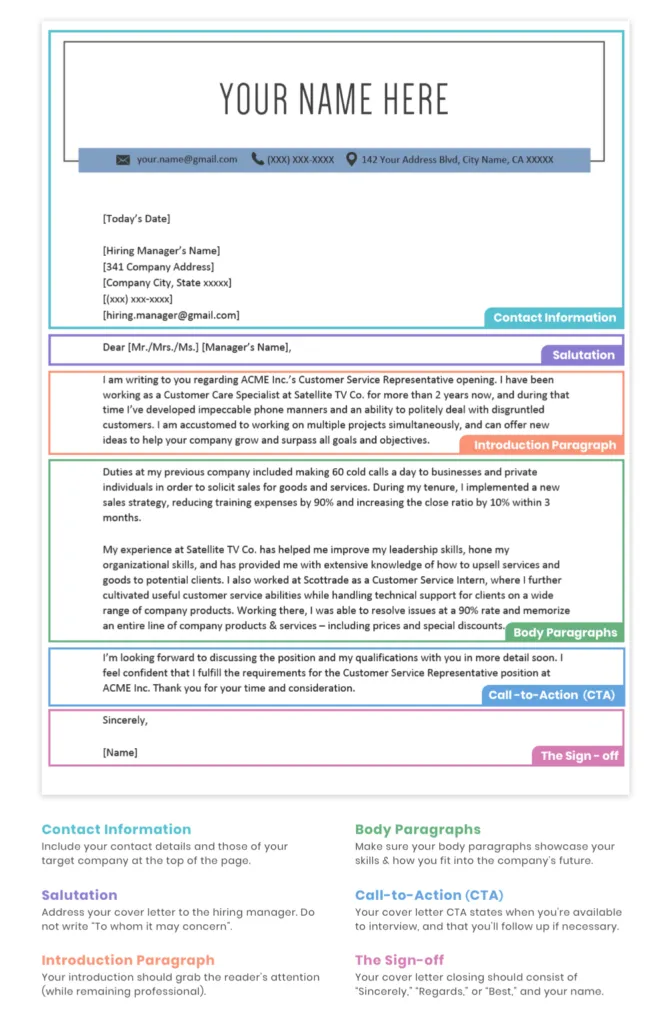
A cover letter is more than just a formality; it’s your first opportunity to make a strong impression on a potential employer. It serves as a personalized introduction, showcasing your qualifications, skills, and enthusiasm for the specific role and company. Unlike a resume, which provides a factual overview of your experience, a cover letter allows you to tell your story, connect your skills to the job requirements, and demonstrate why you’re the ideal candidate. It’s a chance to highlight your personality and express your genuine interest in the opportunity. The cover letter acts as a bridge, connecting the dots between your past experiences and the employer’s needs, making it a crucial component of any job application.
What is a Cover Letter?
A cover letter is a one-page document that accompanies your resume when applying for a job. It provides a brief overview of your qualifications and why you are a good fit for the position. It’s your chance to introduce yourself to the hiring manager and express your enthusiasm for the role and the company. The cover letter allows you to personalize your application, tailoring it to the specific requirements of the job and the company’s culture. Think of it as a sales pitch, where you are selling yourself and your skills to the potential employer. A well-crafted cover letter can significantly increase your chances of getting an interview.
Why You Need a Cover Letter?

In today’s competitive job market, a cover letter is essential for several reasons. Firstly, it allows you to elaborate on your resume, providing context and detail that a resume often lacks. Secondly, it demonstrates your communication skills and writing ability, which are crucial in many professional roles. Thirdly, it shows your genuine interest in the specific job and the company, setting you apart from generic applicants. Many hiring managers look for cover letters to assess your communication skills, attention to detail, and understanding of the job requirements. Ignoring the cover letter can be a missed opportunity, as it might be your first and only chance to capture a recruiter’s attention before they even glance at your resume. In essence, a well-written cover letter can significantly improve your chances of securing an interview.
Top 5 Cover Letter Tips
Crafting a winning cover letter requires more than just listing your skills and experiences. It’s about strategically presenting yourself as the ideal candidate. The following five tips will help you create a cover letter that stands out and secures you an interview. By following these guidelines, you can significantly increase your chances of landing the job you desire.
Customize Your Cover Letter
A generic cover letter is easily spotted and often disregarded. Instead, customize your cover letter for each job application. Tailoring your letter shows that you have taken the time to understand the specific requirements of the role and the company’s values. This personalized approach demonstrates your genuine interest and increases your chances of making a positive impression on the hiring manager.
Research the Company

Before you start writing, thoroughly research the company. Visit their website, read news articles, and check their social media profiles to understand their mission, values, and recent activities. This information will help you tailor your cover letter to align with their goals and demonstrate your knowledge of their business. Mentioning specific company projects, initiatives, or values can demonstrate your genuine interest and make your application more compelling.
Tailor to the Role
Carefully review the job description and identify the key skills and qualifications the employer is seeking. Then, in your cover letter, highlight the relevant experiences and accomplishments that demonstrate you possess these requirements. Use the same keywords and phrases from the job description to show that you are a strong match. By tailoring your letter to the role, you ensure that your application resonates with the hiring manager and clearly demonstrates your suitability for the position.
Highlight Relevant Skills and Experience
Your cover letter is your opportunity to showcase how your skills and experience align with the job requirements. Focus on the most relevant qualifications and achievements that make you a strong candidate. Provide specific examples of how you have used your skills to achieve results in previous roles. Avoid simply restating your resume; instead, provide context and expand on your accomplishments.
Showcase Achievements

Instead of just listing your responsibilities, showcase your achievements. Describe specific accomplishments that demonstrate your ability to excel in the role. Use the STAR method (Situation, Task, Action, Result) to provide context and quantify your achievements. This approach makes your cover letter more impactful and memorable, highlighting your value as a potential employee.
Quantify Your Accomplishments
Whenever possible, quantify your accomplishments with numbers, percentages, or specific data. For example, instead of saying “Improved customer service,” say “Increased customer satisfaction by 15% through implementing a new training program.” Quantifying your achievements provides concrete evidence of your abilities and makes your claims more credible. Data-driven results demonstrate the impact you have made in previous roles and showcase your potential to contribute to the company’s success.
Use Strong Action Verbs
Using strong action verbs can make your cover letter more dynamic and engaging. Action verbs such as “managed,” “developed,” “led,” “implemented,” and “achieved” paint a vivid picture of your skills and accomplishments. These verbs bring your experiences to life and show the hiring manager what you are capable of. They add impact to your statements and make your cover letter more memorable.
Write a Compelling Opening and Closing

The opening and closing paragraphs are crucial for capturing the reader’s attention and leaving a lasting impression. A strong opening grabs the hiring manager’s interest, while a compelling closing reinforces your enthusiasm and encourages them to take action, such as inviting you for an interview. The introduction should be captivating, and the closing paragraph must be assertive.
Opening Paragraph
Your opening paragraph should immediately grab the reader’s attention. Start with a strong statement that highlights your interest in the position and the company. Consider mentioning a mutual connection, referencing a specific project, or stating your most impressive accomplishment. Keep it concise and focused, setting the tone for the rest of the cover letter.
Closing Paragraph
In your closing paragraph, reiterate your interest in the role and the company. Express your enthusiasm for the opportunity and clearly state your desire for an interview. Thank the hiring manager for their time and consideration, and provide your contact information. End on a positive note, expressing your eagerness to discuss your qualifications further.
Proofread and Edit Meticulously

Before submitting your cover letter, carefully proofread and edit it to eliminate any errors in grammar, spelling, and punctuation. Errors can undermine your credibility and make you appear unprofessional. Read your cover letter aloud to catch any awkward phrasing or unclear sentences. Consider having a friend or career counselor review your letter for feedback. Ensure your cover letter is free of errors and polished before you send it to potential employers.
Formatting and Design Tips
The format and design of your cover letter are essential for creating a professional and polished appearance. A well-formatted cover letter is easy to read and visually appealing, making a positive impression on the hiring manager.
Choose a Professional Font
Select a professional and easy-to-read font, such as Times New Roman, Arial, Calibri, or Helvetica. Avoid using overly creative or decorative fonts that can be distracting. Ensure the font size is between 10 and 12 points for readability. Maintain consistency in your formatting throughout the document.
Keep it Concise

Keep your cover letter concise and to the point. Aim for one page in length, and focus on the most relevant information. Use clear and concise language, avoiding jargon or overly complex sentences. Break up long paragraphs into shorter ones to improve readability. The goal is to convey your qualifications efficiently without overwhelming the hiring manager.
Include Contact Information
Always include your contact information at the top of your cover letter. This should include your name, phone number, email address, and LinkedIn profile URL (if applicable). Make it easy for the hiring manager to contact you. Ensure your contact information is accurate and up-to-date.
Cover Letter Examples and Templates
Reviewing cover letter examples and using templates can be extremely helpful in crafting your own. There are many online resources that offer cover letter examples tailored to different industries and job roles. When using a template, customize it to reflect your unique skills and experiences. By studying successful examples, you can gain insights into effective cover letter writing techniques and create a compelling application.