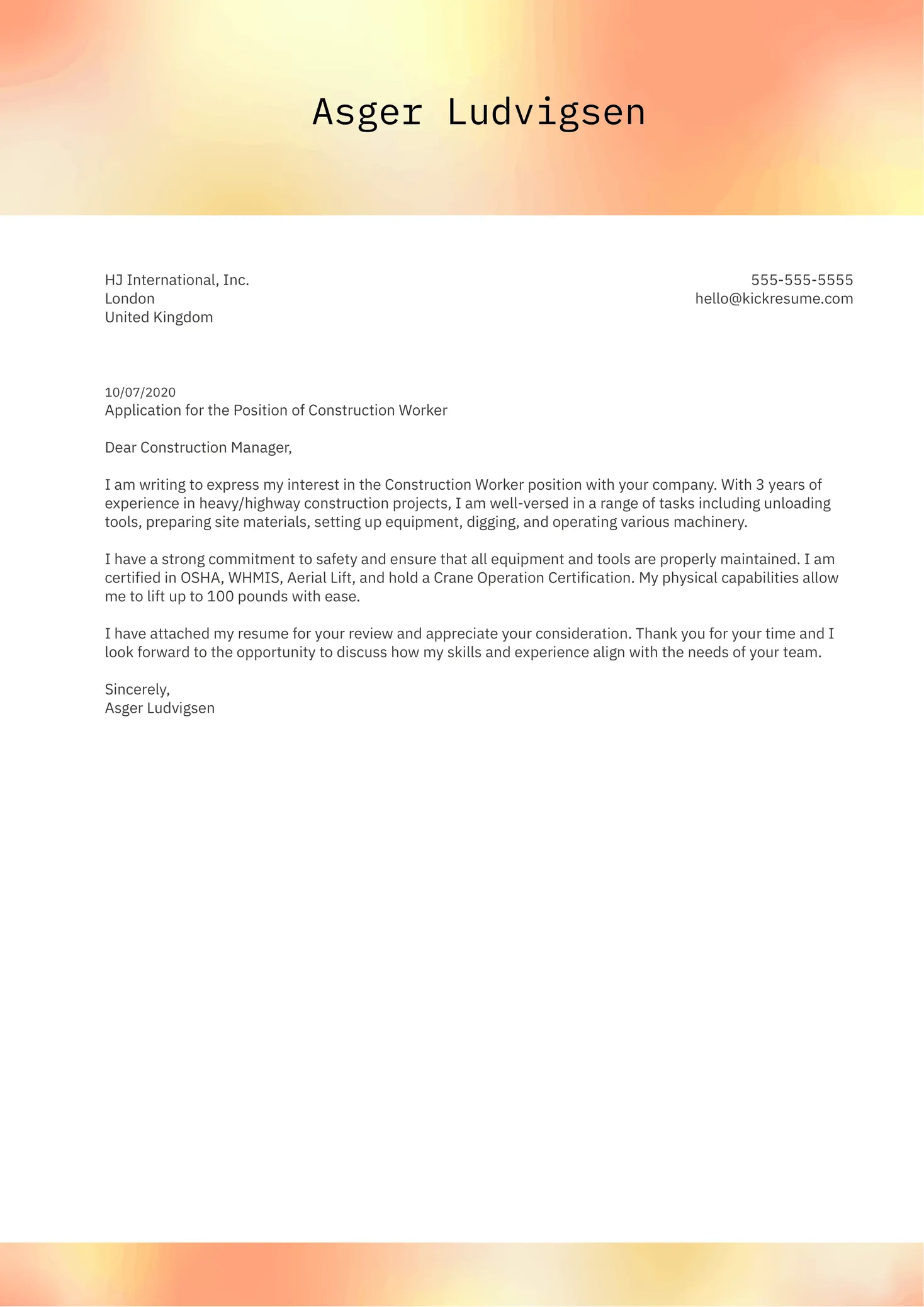
Understanding the Importance of Cover Letters
In the competitive landscape of job applications, a well-crafted cover letter can be your most effective tool. It serves as your introduction, allowing you to make a strong first impression and demonstrate your suitability for a role. A cover letter is not merely a formality; it’s an opportunity to showcase your personality, passion, and the unique value you bring to a potential employer. When constructed effectively, it complements your resume and significantly increases your chances of securing an interview. Neglecting the importance of a cover letter is a missed opportunity to stand out from other applicants and elevate your application to the top of the pile.
What is a Cover Letter?
A cover letter is a document you send alongside your resume when applying for a job. It’s a personalized introduction that highlights your skills, experience, and interest in the specific position and company. Unlike a resume, which provides a concise overview of your qualifications, a cover letter allows you to elaborate on your accomplishments, explain how your skills align with the job requirements, and express your enthusiasm for the opportunity. It provides a chance to connect with the hiring manager on a more personal level and demonstrate that you understand the company’s needs and values.
Why is a Cover Letter Important?

Cover letters are important for several reasons. First, they demonstrate your communication skills and attention to detail. A well-written cover letter showcases your ability to articulate your thoughts clearly and persuasively. Second, they allow you to tailor your application to each specific job, highlighting the most relevant skills and experiences. This level of customization shows that you’ve put thought and effort into your application and that you’re genuinely interested in the role. Third, they provide an opportunity to address any gaps in your resume or explain career transitions. Ultimately, a cover letter helps you make a strong first impression and increases your chances of getting noticed by the hiring manager.
Key Components of a Cover Letter
A compelling cover letter consists of several key components. These include the header, a professional greeting, body paragraphs that highlight your skills and experience, and a concluding paragraph that includes a call to action. Each section plays a crucial role in conveying your qualifications and demonstrating your enthusiasm for the position. Understanding the essential elements of a cover letter will help you create a document that captures the attention of the hiring manager and sets you apart from other candidates.
Header Information
The header of your cover letter should include essential information to help the employer identify you and contact you. Accuracy is crucial. Include your full name, address, phone number, and email address. This information should be clearly displayed at the top of your cover letter, usually on the left-hand side. Ensure your email address is professional. Verify all contact details are up-to-date to facilitate prompt communication. Proper header formatting makes it easy for the hiring manager to reach out to you.
Your Name and Contact Information

Begin your header with your full name, prominently displayed. Following your name, include your current mailing address. This gives the employer a quick way to verify your location. Provide a reliable phone number where you can be easily reached for interviews or other communications. It is also essential to include your professional email address. Double-check all details for accuracy before submitting your cover letter. An error in this section can lead to missed opportunities.
Date
Below your personal contact information, include the current date. This indicates when the cover letter was written. The date is typically aligned to the left or right. This is important for record-keeping purposes and shows that your application is current. Consistent formatting throughout the document makes your cover letter look clean and professional. Use the standard format for dates to ensure clarity.
Employer’s Contact Information
Below the date, include the employer’s contact information. This usually includes the hiring manager’s name (if known), their title, the company name, and the company’s address. If you don’t know the hiring manager’s name, you can use the general title of the position, such as ‘Hiring Manager’. Including this information shows that you have done your research and that you are addressing your application to the appropriate person or department. This is a sign of professionalism and attention to detail.
Professional Greeting

The greeting sets the tone for your cover letter. It should be professional and tailored to the recipient. Ideally, address the hiring manager by name, using ‘Dear Mr./Ms./Mx. [Last Name]’. This personal touch shows that you’ve done your research and taken the time to learn more about the company and the person you’re addressing. If you don’t know the hiring manager’s name, use a general greeting like ‘Dear Hiring Manager’ or ‘Dear [Department Name] Team’. Avoid generic greetings like ‘To Whom It May Concern’, as they can make your letter seem impersonal and less engaging.
Body Paragraphs
The body of your cover letter is where you showcase your qualifications and explain why you are a good fit for the role. This section is broken down into several paragraphs, each serving a specific purpose. These include an opening paragraph that grabs the reader’s attention, a paragraph that highlights your relevant skills and experience, a paragraph that demonstrates your enthusiasm for the company and the position, and a concluding paragraph that includes a call to action. The body paragraphs are the heart of your cover letter, so take the time to craft them carefully.
First Paragraph: Hook the Reader
Your opening paragraph should immediately capture the reader’s attention. Start with a strong statement that highlights your interest in the position and the company. Briefly mention how you learned about the job opportunity. If possible, make a connection between your skills and the company’s needs. You can also mention any relevant accomplishments or experiences that will make the reader want to learn more about you. The goal of the first paragraph is to encourage the hiring manager to read the rest of your letter and consider your application.
Second Paragraph: Highlight Skills and Experience

The second paragraph is where you highlight your relevant skills and experience. Focus on the qualifications that align with the job description. Provide specific examples of your accomplishments, using the STAR method (Situation, Task, Action, Result) to illustrate your contributions. Quantify your achievements whenever possible. For example, instead of saying ‘Managed social media accounts’, you could say ‘Increased social media engagement by 30% in six months’. This paragraph is your opportunity to showcase your value and demonstrate that you possess the skills the employer is looking for.
Third Paragraph: Show Enthusiasm and Company Alignment
In the third paragraph, demonstrate your enthusiasm for the company and the specific role. Explain why you are interested in working for this particular organization and how your values align with their mission and culture. Show that you have researched the company and understand its goals. Highlight any specific projects or initiatives that resonate with you. This demonstrates your genuine interest and commitment. Show your understanding of the company’s market position and how you can contribute to its success. Convey your desire to learn and grow within the organization.
Concluding Paragraph
The concluding paragraph should summarize your interest in the role and reiterate your key qualifications. Thank the hiring manager for their time and consideration. Reiterate your enthusiasm for the position. Make it clear that you are looking forward to the opportunity to discuss your application further. Make sure to show that you’re available for an interview and ready to take the next step in the application process. Leave a positive and professional impression.
Call to Action

Your cover letter should always include a clear call to action. This could be a request for an interview or a statement that you are eager to discuss your qualifications further. Make it easy for the hiring manager to take the next step. Provide your contact information again, making it easy for them to reach you. The call to action should be concise and professional. It confirms your interest and encourages the employer to move forward with your application.
Cover Letter Formatting and Design
The formatting and design of your cover letter are as important as its content. A well-formatted letter is easy to read and makes a positive first impression. Choose a professional font, use appropriate margins and spacing, and keep the length concise. Following these formatting guidelines ensures your cover letter is visually appealing and easy to navigate, making your qualifications more accessible to the hiring manager.
Font Selection and Readability
Choose a professional and easy-to-read font, such as Times New Roman, Arial, or Calibri. Avoid overly decorative or unusual fonts. The font size should be between 10 and 12 points for the body text. Ensure that the font is consistent throughout the document. Using a readable font enhances the overall readability of your cover letter. Make sure the font size is not too small or too large, as this can make your letter difficult to read. Consistency in font choice reflects professionalism and attention to detail.
Margins and Spacing

Use standard 1-inch margins on all sides of your cover letter. This provides enough white space and makes the text easier to read. Use single-spacing within paragraphs and double-spacing between paragraphs. This creates a clear visual separation between sections. Ensure that the spacing is consistent throughout the document. Proper margins and spacing improve the visual appeal and readability of your cover letter, making it more inviting for the hiring manager to review.
Length Considerations
Keep your cover letter concise and focused. Aim for one page, unless specifically instructed otherwise. Highlight the most relevant skills and experiences, and avoid unnecessary details. Be sure to select the most important information and organize it strategically. Hiring managers often have limited time to review applications. A shorter, well-written cover letter is more likely to be read in its entirety. Prioritize the key points that showcase your qualifications and match the job requirements.
Proofreading and Editing
Proofreading and editing your cover letter is crucial. Errors, such as typos and grammatical errors, can make your application look unprofessional. Carefully review your letter for any mistakes. Reading it aloud can help you catch errors that you might miss when reading silently. Consider asking a friend or family member to proofread your cover letter. They may notice errors that you have overlooked. Ensure your writing is clear and concise. Proofreading is an essential step to ensure your cover letter is polished and error-free.
Common Cover Letter Mistakes to Avoid
Avoiding common cover letter mistakes will help you create a more effective application. These include generic cover letters, typos and grammatical errors, and a lack of customization. Each mistake can significantly reduce your chances of getting hired. By being aware of these pitfalls, you can make sure your cover letter makes a positive impression.
Generic Cover Letters
Avoid sending generic cover letters that are not tailored to the specific job or company. Such cover letters do not demonstrate your genuine interest. Always customize your cover letter to match the job description and highlight the skills and experience the employer is seeking. Research the company and show that you understand its values and goals. A customized cover letter is essential to capture the employer’s attention and convince them you’re the right fit.
Typos and Grammatical Errors
Typos and grammatical errors can damage your credibility. Always proofread your cover letter carefully. Use a grammar checker and ask someone else to review your letter. Errors show a lack of attention to detail and can make the employer question your professionalism. Ensure that your writing is free of spelling errors, punctuation mistakes, and grammatical errors. Presenting a polished, error-free cover letter is essential.
Lack of Customization
A lack of customization will hurt your chances. Tailor your cover letter to each specific job. Show that you have researched the company and understand the role. Explain why you are interested in the specific opportunity and how your skills and experience align with the job requirements. Generic cover letters suggest a lack of genuine interest. Demonstrate that you are taking the time and effort to make your application stand out.
Examples of Effective Cover Letter Content
Effective cover letters use specific examples to showcase your qualifications. Consider highlighting achievements, quantifying your accomplishments, and tailoring your letter to the job description. Providing concrete examples demonstrates your skills and experience more effectively than making vague statements. This helps you make a stronger impression and differentiate yourself from other candidates.
Showcasing Achievements
Instead of simply listing your responsibilities, showcase your achievements. Use the STAR method to describe situations, tasks, actions, and results. Focus on how you contributed to successful outcomes. For example, rather than saying ‘Managed customer accounts’, say ‘Successfully managed a portfolio of 50 customer accounts, resulting in a 15% increase in client retention rates’. Highlighting your accomplishments is essential. Provide concrete examples of how you made a positive impact in your previous roles. Focusing on your achievements proves your capabilities.
Quantifying Accomplishments
Quantify your accomplishments whenever possible. Using numbers, percentages, and other metrics makes your achievements more impactful and demonstrates your ability to deliver results. For example, ‘Increased sales by 20%’ or ‘Reduced project costs by 10%’. This provides concrete evidence of your capabilities. Quantifying your accomplishments provides clear evidence of your success. Numbers make your achievements more convincing and demonstrate the value you bring to an organization.
Tailoring Your Letter to the Job Description
Carefully tailor your cover letter to the job description. Identify the key requirements and highlight the skills and experiences that match. Use the same keywords that are in the job description. This makes it easy for the hiring manager to see that you meet the requirements. Customizing your cover letter shows that you have taken the time to understand the role and that you are a strong candidate. Always customize your letter based on each specific job opportunity.