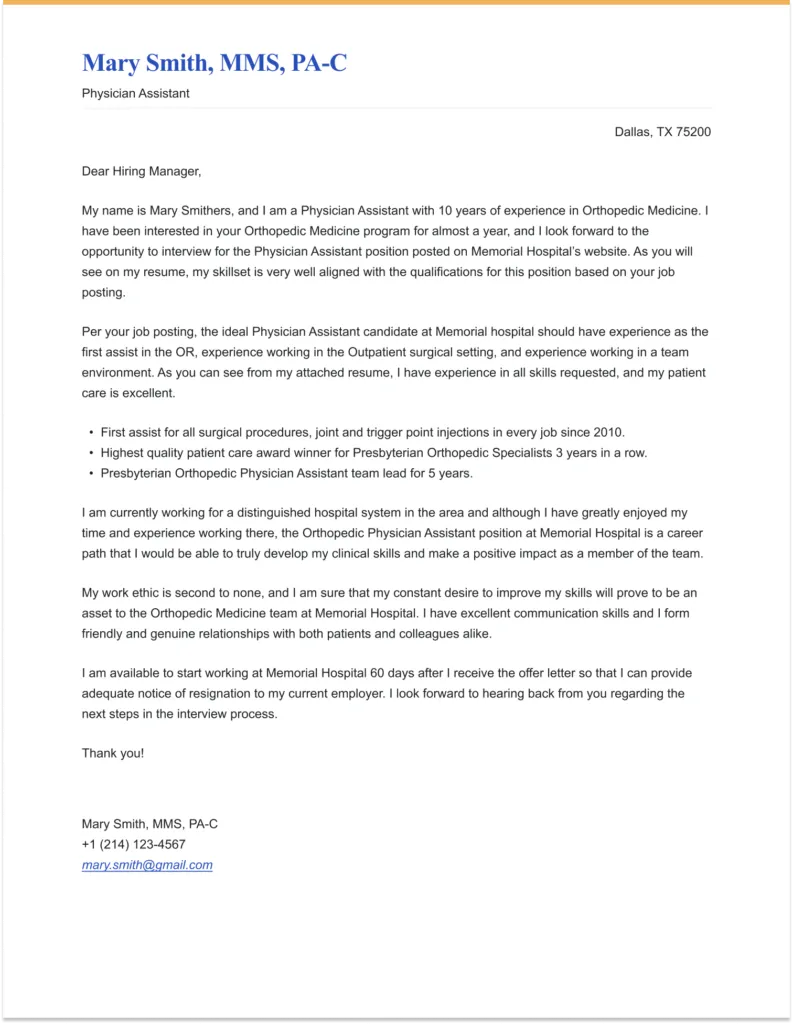
What is a Cover Letter (and Why You Need One)
A cover letter is a crucial document that accompanies your resume when applying for a job. It serves as your initial introduction to a potential employer, providing an opportunity to showcase your personality, skills, and enthusiasm for the position. Unlike a resume, which is a factual summary of your experience, a cover letter allows you to elaborate on your qualifications and explain why you’re the perfect fit for the role. Ignoring the need for a cover letter is a significant misstep. Think of it as the precursor to an interview, setting the stage for why you are unique and valuable. It’s your chance to make a memorable first impression and increase your chances of securing an interview. A well-crafted cover letter can significantly boost your application, while a poorly written one can lead to immediate rejection. So, taking the time to write a compelling cover letter is an investment in your job search.
The Purpose of a Cover Letter
The primary purpose of a cover letter is to introduce you, express your interest in the job, and persuade the hiring manager to read your resume. It provides context to your resume, highlighting the specific skills and experiences that align with the job requirements. A cover letter allows you to demonstrate your understanding of the company, the role, and how your qualifications make you a valuable asset. It also provides an opportunity to explain any gaps in your employment history or career changes. Furthermore, a cover letter showcases your communication skills, including your writing abilities, your ability to structure a compelling argument, and your attention to detail. Think of it as a personal sales pitch, designed to make you stand out from other applicants. In essence, the cover letter’s goal is to secure an interview by making a positive and memorable impression.
Key Elements of an Effective Cover Letter

A compelling cover letter includes several key elements that work together to create a persuasive argument for your candidacy. Each element serves a specific purpose, and their combined effect determines your success. From the header to the closing, every part of the cover letter contributes to the overall impression you make on the hiring manager. Paying attention to each of these components is critical to creating a strong and professional cover letter. Failing to include these key elements significantly weakens your application. A well-structured cover letter guides the reader through your qualifications, skills, and enthusiasm, ensuring they understand why you are the best fit for the job.
Header Contact Information
Your header should include your full name, contact information (phone number and email address), and optionally your professional social media profiles, such as LinkedIn. Ensure this information is accurate and up-to-date. The header should be consistently formatted throughout the letter. This is the first element the hiring manager sees, providing a professional impression and making it easy to contact you. Using a clear and concise header demonstrates your attention to detail, a crucial quality in any job application. This section is essential for the recruiter to connect with you. A well-formatted header sets a professional tone and ensures the hiring manager can easily reach you.
Professional Greeting
Address the hiring manager by name whenever possible. Research the company and find out the name of the person to whom you should direct your letter. If you can’t find a specific name, use a professional salutation such as “Dear Hiring Manager” or “Dear [Department Name] Team.” Avoid generic greetings like “To Whom It May Concern” or “Dear Sir/Madam,” which can make your letter feel impersonal. A personalized greeting immediately grabs the reader’s attention and shows that you’ve done your homework. It demonstrates that you’re genuinely interested in the specific job and the company. A professional greeting sets a positive tone and helps you establish a rapport with the hiring manager.
Opening Paragraph Grabbing Attention

Your opening paragraph should immediately grab the reader’s attention and clearly state the position you’re applying for. Briefly explain where you saw the job posting. Express your enthusiasm for the role and the company. Highlight a key skill or achievement that makes you an ideal candidate. Avoid generic phrases and instead aim for a compelling hook. A strong opening paragraph sets the tone for the rest of the letter and encourages the hiring manager to keep reading. It provides a glimpse into your personality and shows that you understand the job requirements. A well-crafted opening can make the difference between your application being read or rejected.
Highlighting Relevant Skills and Experiences
In the body paragraphs, elaborate on your relevant skills and experiences. Use specific examples to demonstrate your qualifications. Tailor your letter to the job description, highlighting how your skills and experience match the requirements. Provide concrete examples of your accomplishments, using the STAR method (Situation, Task, Action, Result) to illustrate your successes. Quantify your achievements whenever possible to demonstrate impact. Focus on what you can bring to the role and the company. This section is the core of your cover letter, where you prove you are a strong candidate. By linking your experience to the job description, you clearly show how you can contribute to the company’s success.
Tailoring Your Letter to the Job Description
Every cover letter should be tailored to the specific job and company you’re applying for. Carefully review the job description and identify the key skills and qualifications the employer is seeking. Use the job description as a guide to highlight your relevant experience and skills. Avoid sending a generic cover letter that could be sent to any company. Research the company and understand its values, mission, and recent projects. Demonstrate that you understand the company’s needs and explain how you can contribute to its goals. Customizing your letter shows that you’re genuinely interested in the specific job and company, and not just sending out mass applications. This level of effort dramatically increases your chances of getting noticed.
Quantifying Achievements Using Numbers

Whenever possible, quantify your achievements with numbers and data. Instead of saying “Improved customer satisfaction,” say “Increased customer satisfaction scores by 20%.” Provide concrete examples of your accomplishments, using metrics to demonstrate your impact. Quantifying your achievements makes your letter more credible and demonstrates your ability to deliver results. Use numbers to showcase your skills, experience, and contributions. Including quantifiable achievements provides tangible evidence of your capabilities. Using specific numbers helps the hiring manager understand the scope and impact of your work. This adds significant value to your application.
Showcasing Your Personality and Enthusiasm
While professionalism is important, don’t be afraid to let your personality shine through. Inject enthusiasm for the role and the company. Express your genuine interest in the opportunity and why you’re excited about it. Avoid using overly formal language, and try to sound like yourself. A well-written cover letter should reflect your passion and personality. Doing so makes you more memorable and likable. This helps the hiring manager connect with you on a personal level. Letting your personality shine through can help you stand out from the competition. A touch of personality can make your letter more engaging and memorable.
Formatting and Design Best Practices
The format and design of your cover letter are important. A well-formatted letter is easy to read and professional. Choose a clean and simple format that is easy on the eyes. Use a standard font size and spacing. Ensure your letter is well-organized and easy to navigate. Pay attention to margins, alignment, and overall layout. Consistent formatting creates a professional impression. Poor formatting can distract the reader and make your letter less effective. A clean and professional layout shows that you pay attention to detail. Ensure your cover letter looks polished and professional. Avoid using too many different fonts or colors, as this can make your letter look cluttered.
Font Choices

Choose a professional and easy-to-read font, such as Times New Roman, Arial, Calibri, or Helvetica. Keep the font size between 10 and 12 points. Avoid using decorative or unusual fonts. Ensure your font is clear and legible, as this makes the cover letter easy to read. Use a consistent font throughout the entire document. The font you choose affects the readability and overall impression of your cover letter. A professional font conveys professionalism and attention to detail. Choose a font that is widely available and easily readable on various devices. This helps ensure your letter looks consistent across all platforms.
Paragraph Structure and Length
Keep your paragraphs concise and easy to read. Aim for three to five sentences per paragraph. Use white space effectively to make your letter visually appealing. Ensure your paragraphs are well-structured and logically organized. Avoid large blocks of text, as this can be overwhelming for the reader. A well-structured cover letter is easier to understand and more engaging. Proper paragraph structure improves readability and makes a good impression. Keep the tone of your cover letter clear and professional. A clear, concise format is more effective. Your letter should typically be no longer than one page. A one-page cover letter is ideal. Conciseness and clarity are essential in cover letter writing.
Proofreading and Editing
Proofread your cover letter carefully for any errors in grammar, spelling, and punctuation. Use a spell checker, but don’t rely on it entirely. Have someone else review your cover letter. Errors can undermine your credibility and professionalism. Ensure your cover letter is free from typos and grammatical mistakes. Proofreading demonstrates attention to detail, which is essential for any job. Always edit and proofread your cover letter before submitting it. Errors can make you look careless and unprofessional. A final review is essential. A polished and error-free cover letter shows that you’re serious about the job.
Call to Action Closing Your Letter

In your closing paragraph, include a call to action that encourages the hiring manager to take the next step. Express your interest in an interview and how you can be contacted. This is a very important step, as it directly encourages the hiring manager to respond. The call to action should be clear and concise. Be specific about what you want, such as scheduling an interview. End on a positive and confident note. A strong closing paragraph can increase your chances of getting an interview. It also shows initiative and enthusiasm. Make sure you provide your contact information again. A clear call to action makes it easy for the hiring manager to take the next step.
Expressing Gratitude
Express your gratitude for the hiring manager’s time and consideration. Thank them for reading your cover letter and reviewing your application. Showing appreciation leaves a positive impression and demonstrates your professionalism. Be sincere and genuine in your expression of gratitude. Gratitude is a simple yet effective way to end your cover letter. Showing gratitude can help create a positive connection. This closes the door on a good note, and increases the chance of a reply. Expressing gratitude shows respect for the hiring manager’s time and effort.
Sign-off and Contact Information
Use a professional sign-off such as “Sincerely,” “Best regards,” or “Thank you.” Type your full name below the sign-off. Make sure your contact information (phone number and email address) is included at the bottom of the letter. Ensure your contact information is correct. A professional sign-off and accurate contact information add to the credibility of your application. It provides an opportunity for the recruiter to reach out. This enables the hiring manager to contact you. Provide all the information needed for the hiring manager to reach out.
Common Cover Letter Mistakes to Avoid
Avoid common mistakes that can hurt your chances of getting hired. These mistakes can damage your credibility and make your application less effective. Being aware of these pitfalls and taking steps to avoid them can significantly improve the quality of your cover letter. Review your letter carefully to avoid these mistakes. Addressing these areas can make a big difference to the recruiter. Correcting these can make your application shine.
Generic Letters
Avoid using a generic cover letter that can be sent to multiple companies. Tailor each cover letter to the specific job and company you are applying for. Show that you understand the company’s needs and how you can contribute. Personalized cover letters make a stronger impression. A generic letter shows a lack of interest and effort. Customize your letter, and highlight relevant skills and experiences. Customization increases your chances of being invited to an interview. Show that you’re genuinely interested in the job and the company by personalizing your letter. Avoid the generic template.
Typos and Grammatical Errors
Proofread your cover letter carefully for typos, spelling errors, and grammatical mistakes. Ensure your letter is free of errors before submitting it. Use spell check and grammar check tools, but don’t rely on them entirely. Have someone else review your cover letter to catch any mistakes you may have missed. Errors can create a negative impression. Errors detract from the professionalism and credibility of your application. Careful proofreading shows attention to detail and professionalism. A clean, error-free cover letter shows your commitment to excellence. Errors make you seem careless and unprofessional, so proofread before submitting.
Ignoring the Job Description
Always tailor your cover letter to the job description. Highlight the skills and experiences that match the requirements. Use the job description as a guide for what the employer is looking for. Research the company to understand its values, mission, and recent projects. A tailored cover letter increases your chances of getting hired. Tailor your letter to the specific requirements of the job. Show the hiring manager that you understand the role. Focusing on the job description is essential for a strong application. Understanding the job description shows you’re a good fit.
Examples of Killer Cover Letters
Review examples of successful cover letters to get inspiration and guidance. Analyze the structure, content, and tone of the example letters. Customize the examples to fit your own situation. Use the examples to learn how to write a compelling cover letter. See how others showcase their skills and experiences. Adapt the examples to make them your own. Study the best cover letters to get an idea of what works. Learn from the examples. Examples help you see what makes a great letter.