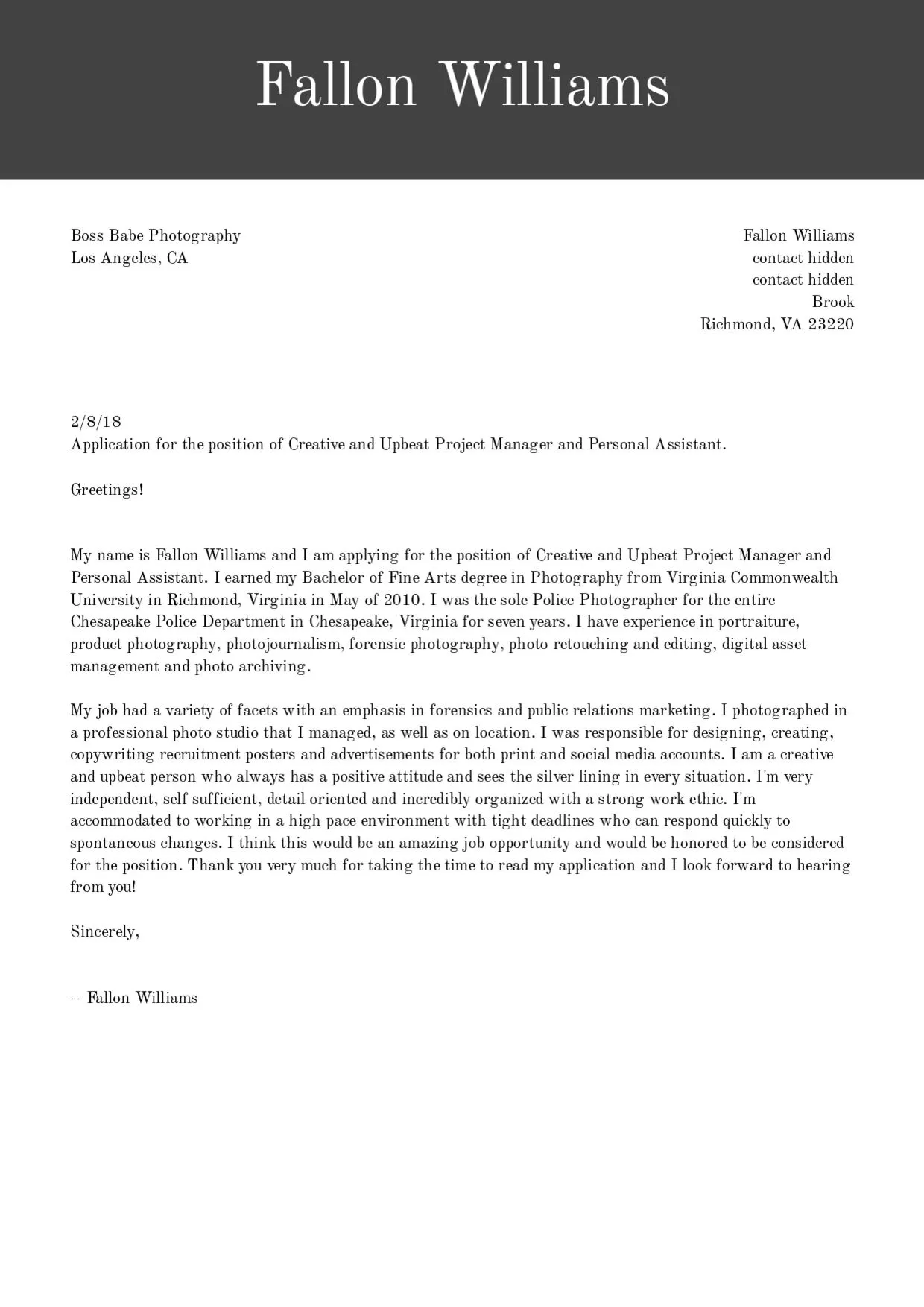
Understanding the Role of a Greeter Cover Letter
A greeter cover letter is more than just a formality it’s your initial opportunity to make a positive impression on a potential employer. It serves as your introduction, a snapshot of your personality, and a showcase of your relevant skills. Unlike a resume, which provides a factual overview of your work history, a cover letter allows you to connect with the hiring manager on a more personal level. It provides a space to articulate why you are a great fit for the specific greeter position, highlighting your understanding of the role’s requirements and your enthusiasm for contributing to the company’s success. A well-crafted cover letter can significantly increase your chances of securing an interview by demonstrating your communication skills, attention to detail, and genuine interest in the opportunity.
Why a Cover Letter is Essential for Greeter Positions
In the realm of customer service, the greeter role is often the first point of contact for customers or visitors. Therefore, the cover letter becomes an essential tool for demonstrating your ability to create a positive and welcoming environment. A compelling cover letter proves your understanding of the customer experience, your communication capabilities, and your knack for handling interactions with people. It enables you to articulate your enthusiasm for the role and the specific company, highlighting why you are genuinely interested in the opportunity. Furthermore, a cover letter allows you to tailor your application to the particular requirements of the greeter position. By carefully reading the job description and customizing your letter, you can emphasize the skills and experiences most relevant to the role, setting yourself apart from other applicants and increasing your chances of landing an interview.
Key Elements to Include in Your Greeter Cover Letter

Your Contact Information and Date
Begin your cover letter with your contact information, including your full name, address, phone number, and email address. This allows the hiring manager to quickly and easily reach you for an interview. Ensure that the contact details are accurate and up-to-date. Following this, include the date you are writing the letter. This provides a reference point for the hiring manager and demonstrates that the letter is current.
The Hiring Manager’s Information
If possible, address your cover letter to the hiring manager by name. Researching the company and the specific person responsible for reviewing applications demonstrates initiative and attention to detail. Use professional titles such as “Mr.” or “Ms.” and ensure that the name is spelled correctly. If you’re unable to find the hiring manager’s name, you may use a general greeting such as “Dear Hiring Manager.”
A Compelling Opening Paragraph

The opening paragraph of your greeter cover letter should immediately grab the hiring manager’s attention. State the specific position you are applying for and where you saw the job posting. Briefly mention what interests you about the role and the company. Express your enthusiasm for the opportunity and your confidence in your ability to make a positive contribution. This is your chance to hook the reader and encourage them to continue reading the rest of your cover letter.
Highlighting Relevant Skills and Experience
The body of your cover letter is where you highlight your skills and experience. Focus on the skills that are most relevant to the greeter position. Provide specific examples of how you have demonstrated these skills in previous roles or situations. This might include communication skills, customer service experience, problem-solving abilities, or any other relevant experiences. Use action verbs to describe your accomplishments and quantify your achievements whenever possible. For example, instead of saying you were “responsible for greeting customers,” you could say “Welcomed and assisted an average of 50 customers daily, ensuring a positive initial experience.”
Demonstrating Excellent Communication Skills
Communication is a cornerstone of the greeter role. Your cover letter should demonstrate your ability to communicate clearly, effectively, and with a friendly tone. Describe instances where you have successfully communicated with people from diverse backgrounds, managed difficult conversations, or provided excellent customer service through verbal and non-verbal communication. Show how you actively listen to understand others’ needs, clarify information, and respond to inquiries in a helpful and professional manner. This highlights your capacity to foster positive interactions and resolve any issues customers might have.
Showcasing a Positive and Friendly Demeanor

A positive and friendly demeanor is essential for a greeter. In your cover letter, illustrate how you project warmth and approachability. Use descriptive language to demonstrate your enthusiasm and your ability to create a welcoming atmosphere. Mention any experience you have interacting with the public, resolving conflicts, or making people feel comfortable. If applicable, showcase your ability to remain composed and optimistic under pressure, as this will show your professionalism in handling stressful situations and maintaining a positive image for the company.
Quantifying Your Achievements
Wherever possible, quantify your achievements to make your cover letter more impactful. Use numbers and data to illustrate your success. For example, instead of saying you “increased customer satisfaction,” you could say that you “improved customer satisfaction scores by 15%.” Providing specific data demonstrates the value you can bring to the role and provides concrete evidence of your abilities. This offers a clearer picture of your capabilities and what you can achieve for the employer, which helps the hiring manager to assess your potential impact on the team.
Expressing Enthusiasm for the Position and Company
In your cover letter, articulate your genuine interest in the specific greeter position and the company. Research the company’s values, mission, and culture. Briefly explain what attracts you to the company and what makes you believe that your values align with theirs. Highlight how your skills and experience make you a perfect fit for the role and the organization. Express your enthusiasm for contributing to the company’s success, making it clear that you are not just looking for a job but are genuinely excited about the opportunity to work there.
A Strong Closing Paragraph and Call to Action

Conclude your cover letter with a strong closing paragraph. Reiterate your interest in the position and briefly summarize your key qualifications. Express your confidence that you possess the skills and experience necessary to excel in the role. Include a clear call to action, such as requesting an interview or expressing your availability for a conversation. Thank the hiring manager for their time and consideration, and reiterate your excitement for the opportunity.
Formatting and Proofreading Your Cover Letter
Choosing the Right Font and Font Size
The format of your cover letter significantly affects its readability. Choose a professional and easy-to-read font, such as Times New Roman, Arial, or Calibri. Use a font size between 10 and 12 points. Ensure that your text is clearly and consistently formatted, with proper spacing and paragraph breaks. Avoid using excessive bolding, underlining, or italics, as this can distract the reader. Maintain a clean, uncluttered layout to make your cover letter easy to read.
Proofreading for Errors

Proofreading your cover letter is an essential step in the application process. Errors in grammar, spelling, and punctuation can negatively impact the impression you make on a hiring manager. Carefully review your cover letter for any mistakes. Read it aloud to catch any awkward phrasing or errors. Use a spell checker and grammar checker to help identify any errors, but remember that these tools are not always perfect. Consider having a friend or family member proofread your cover letter for you. A fresh pair of eyes can often catch errors that you may have missed.
Tailoring Your Cover Letter to the Job Description
Customize your cover letter to each specific job application. Carefully read the job description and identify the key skills, qualifications, and requirements. Tailor your cover letter to highlight how your skills and experience align with these requirements. Use the same keywords and phrases that are used in the job description. This demonstrates that you have carefully considered the role and are a perfect match. By personalizing your cover letter, you show that you are genuinely interested in the position and have taken the time to understand the company’s needs, which is more likely to help you get the interview.