Understanding the Grant Cover Letter
A grant cover letter is a crucial document accompanying your grant proposal. It serves as an introduction, a summary of your project, and a direct appeal to the funding organization. Think of it as your first handshake, setting the tone for your entire application. It should be concise, compelling, and tailored to the specific grant and the funder’s priorities. A well-crafted cover letter significantly increases your chances of having your proposal read and considered. The cover letter is often the first thing a grant reviewer sees, making a strong first impression vital for success. It’s your opportunity to quickly convey the essence of your project and demonstrate its alignment with the funder’s mission.
Why Is a Cover Letter Important?
The importance of a grant cover letter cannot be overstated. It provides context to your proposal, allowing you to frame your project within the funder’s scope and objectives. A cover letter allows you to connect with the funder on a more personal level, demonstrating your passion and commitment to the project. It highlights the key benefits of your project and how it aligns with the funder’s goals, increasing the likelihood of funding. A strong cover letter showcases your professionalism and attention to detail, both of which are essential in the grant application process. It also gives you the chance to concisely explain the problem you are trying to solve and how your project offers a viable solution, capturing the reviewer’s attention immediately.
Key Components of a Grant Cover Letter

A well-structured grant cover letter comprises several key components designed to capture the attention of the funder and convey the essential details of your project. These include essential elements that should be included for the cover letter to be effective and compelling. Each section plays a crucial role in presenting your project and organization effectively. The components must work in harmony to create a cohesive and persuasive narrative, increasing the chances of securing funding. A thoughtful approach to these components demonstrates your commitment to excellence and attention to detail, which are essential for winning grant applications.
Applicant’s Information
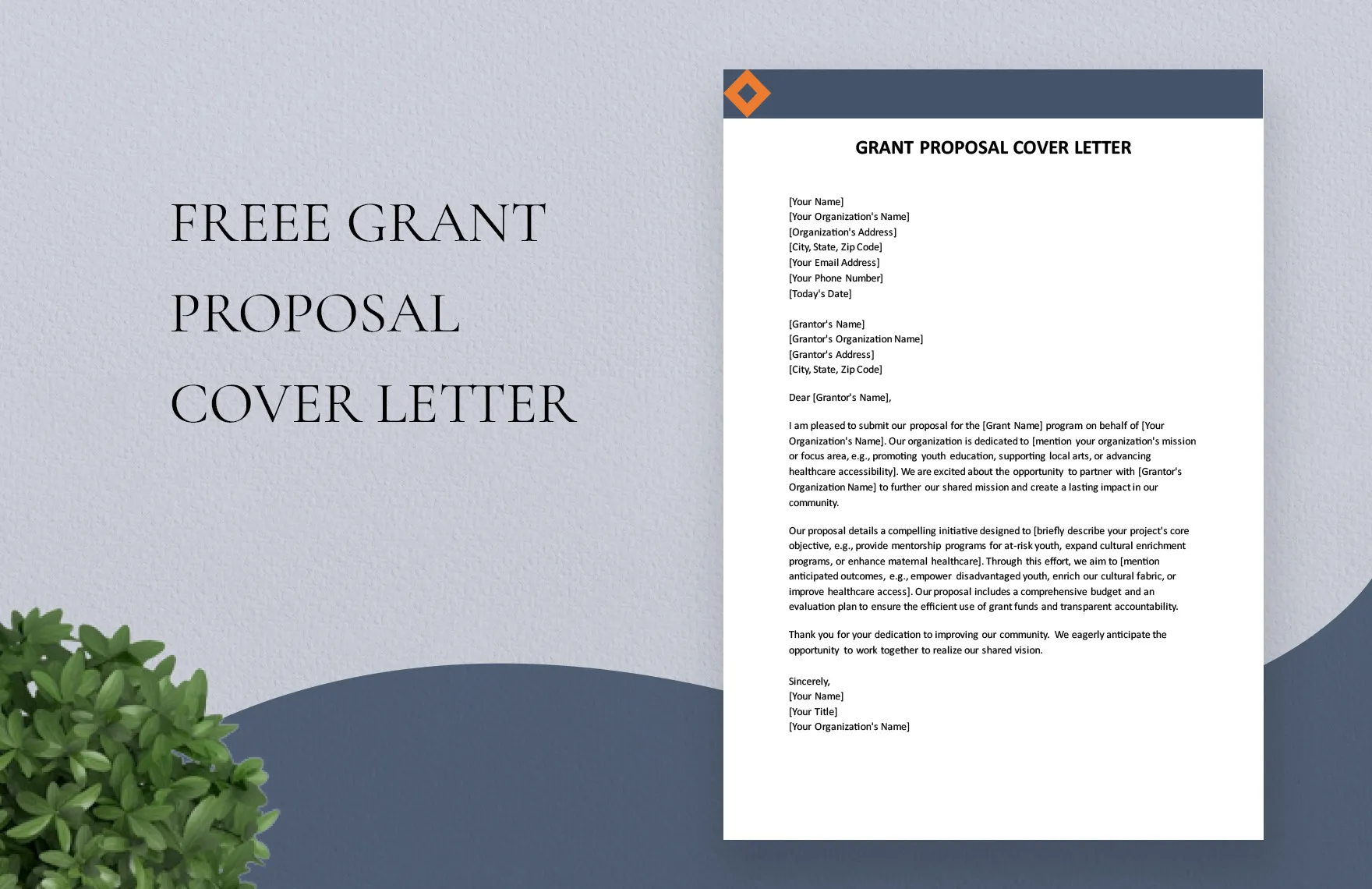
Start with your contact information and the date. Then, include the funder’s contact information. This sets the stage for professionalism and accuracy.
Project Overview
Briefly introduce your project, stating its purpose, objectives, and the target population. This provides an immediate snapshot of what you intend to accomplish. The overview should capture the essence of your project in a clear, concise manner. It should pique the reader’s interest and encourage them to delve deeper into the proposal. Ensure that this section aligns with the funder’s priorities and mission to increase its appeal.
Organizational Information
Introduce your organization, highlighting its mission, relevant experience, and accomplishments. Emphasize why your organization is best suited to carry out the project. Showcase your organization’s credibility and demonstrate that you have a proven track record in relevant fields. This establishes trust and builds confidence in your ability to deliver the project’s objectives.
Budget Summary
Provide a brief summary of the budget, indicating the total amount requested and the primary categories of expenses. This gives the funder a financial overview and shows how the funds will be used. Keep this section concise but informative, highlighting the most significant budgetary allocations. Ensure that the budget summary aligns with the funder’s guidelines and that the expenses are justified and reasonable. The goal is to illustrate how the funds will be allocated to achieve the project’s objectives.
How to Write a Grant Cover Letter Step by Step
Writing a compelling grant cover letter is a strategic process, starting with thorough preparation and research. Each step builds upon the previous one, leading to a well-structured and persuasive document. Following these steps ensures you include all essential information and tailor your letter to the specific grant opportunity. This process emphasizes both content and presentation to ensure your cover letter effectively conveys your project’s value.
Step 1 Research the Funder

Thoroughly research the funding organization to understand its mission, priorities, and funding history. Review their website, past grant recipients, and guidelines. Tailor your cover letter to align with their specific goals and interests. Demonstrate that you understand their needs and objectives. This research is fundamental, enabling you to frame your project within the funder’s scope. Addressing their specific goals demonstrates that you value their mission and how your project can contribute to it.
Step 2 Address the Right Person
Find out the name of the person who reviews grant applications and address your cover letter directly to them. If you can’t find a specific name, use a professional title such as “Grants Officer” or “Review Committee.” This shows that you’ve taken the time to personalize your application. Addressing the letter directly shows respect and attention to detail. This personalization often sets your application apart from generic ones and shows respect for their time and effort. Always double-check the correct spelling of the name.
Step 3 State the Purpose
Clearly state the purpose of your letter and the specific grant you are applying for. State the name of the grant and the project’s goal in the first paragraph. This provides immediate clarity. Make it easy for the reviewer to understand what the letter is about. This clarity ensures that the funder immediately understands your intentions. This upfront statement should be succinct and direct, setting the stage for the rest of your letter. This clarity enhances the overall professionalism of your application and makes it easy for the reviewer to process information.
Step 4 Highlight Project Benefits

Briefly explain your project’s key benefits and how it addresses the funder’s priorities. Focus on the impact of your project and the positive outcomes it will achieve. Emphasize how your project aligns with the funder’s goals and mission. Clearly articulate the difference your project will make in the community or the target population. This demonstrates the relevance and importance of your project. Highlighting benefits and aligning them with the funder’s goals is vital for a compelling case.
Step 5 Include Budget Summary
Provide a concise summary of the project budget, indicating the total amount requested and the major expense categories. Show how the funds will be used to achieve your objectives. Briefly explain the overall financial plan and how the grant funds will be allocated. Keep this section clear and easy to understand. Highlighting major expenses and explaining their purpose can build confidence. Demonstrate how the funds will be managed responsibly and effectively, adhering to the funder’s guidelines. A well-presented budget summary demonstrates financial acumen and accountability.
Step 6 Close with a Call to Action
End with a clear call to action, such as expressing your eagerness to discuss your proposal further or your gratitude for their consideration. Provide your contact information and thank the funder for their time and attention. Offer to answer questions or provide additional information. A well-placed call to action encourages further engagement from the funder. This proactive approach keeps the communication flowing. Thanking the funder for their time leaves a positive and professional impression.
Formatting Your Grant Cover Letter

Formatting your grant cover letter correctly is just as important as the content. Professional formatting shows respect for the funder and makes your letter easier to read. Ensure your letter is visually appealing and easy to navigate. Poor formatting can detract from the impact of your writing, even if the content is excellent. Consistent formatting demonstrates professionalism and enhances the overall quality of your application. Proper formatting highlights your commitment to excellence.
Font and Spacing Guidelines
Use a standard, easily readable font, such as Times New Roman, Arial, or Calibri, with a font size between 11 and 12 points. Use one-inch margins and single-space the body of the letter, with a double space between paragraphs. This formatting enhances readability and makes the document look professional. Keep the formatting consistent throughout the entire document. Proper formatting improves the presentation and readability, and helps the reviewer quickly digest the information. Choosing a clear font and spacing improves readability.
Proofreading and Editing
Proofread your cover letter meticulously for any grammatical errors, spelling mistakes, and typos. Have someone else review your letter to catch any errors you might have missed. Errors can damage your credibility. Proofreading is a critical step in ensuring your application is polished and professional. A well-proofread cover letter showcases your attention to detail and demonstrates respect for the funder. Accuracy is critical in grant writing. Always double-check names, dates, and amounts. Ask a colleague to review it for clarity, logic, and flow.
Grant Cover Letter Samples

Reviewing samples of successful grant cover letters can offer valuable insights into best practices and formatting. Analyzing these examples provides a practical understanding of how to structure your letter effectively. Utilize these samples as guides and inspiration. Use these examples to tailor your own cover letter. Reviewing samples from different types of grants can help you develop a more versatile approach. These examples provide a practical framework for crafting a strong cover letter.
Sample for a Research Grant
Research grant cover letters often emphasize the scientific merit, significance, and potential impact of the research project. The sample should highlight the project’s innovative approach, the qualifications of the research team, and the expected outcomes. These cover letters need to demonstrate expertise and scientific rigor. Provide a clear overview of the research, its objectives, methodology, and expected results. Tailor your sample to meet the specific requirements of the grant. Ensure that the sample highlights the originality and relevance of the research. Your sample must focus on the project’s academic contribution.
Sample for a Community Outreach Grant
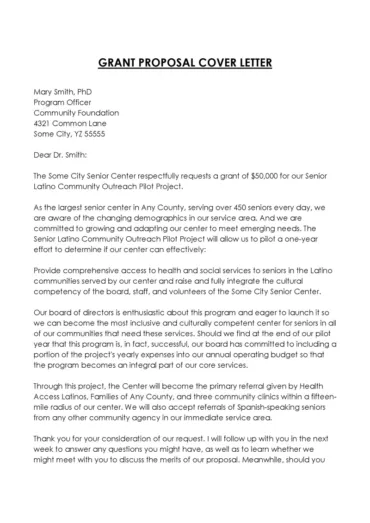
Community outreach grant cover letters focus on the project’s impact on the community, addressing specific needs, and demonstrating how the project will benefit the target population. These cover letters highlight the organization’s connection to the community. Emphasize the project’s goals, its alignment with community needs, and the expected outcomes. Show the capacity of your organization to successfully implement the project. The sample must address the immediate needs of the community and the impact on the residents. These cover letters showcase the positive changes the project brings.
Mistakes to Avoid in Grant Cover Letters
Avoiding common mistakes can significantly increase your chances of a successful application. Being aware of these errors allows you to refine your approach and create a more compelling document. Review your cover letter to ensure that these mistakes are not present. Attention to detail is essential. Being proactive in avoiding mistakes elevates your grant application.
Ignoring Guidelines
Failing to follow the funder’s guidelines is one of the most common and detrimental mistakes. Always carefully read and adhere to the guidelines provided by the funding organization. Make sure your cover letter complies with all specific formatting and content requirements. Ignoring the funder’s instructions demonstrates a lack of attention to detail and respect for their rules. This can lead to immediate rejection of your application. Always tailor your letter to align with the funder’s guidelines. Ensure that all aspects of your application align with their specified criteria.
Using Generic Language
Avoid using generic, one-size-fits-all language in your cover letter. Tailor your letter to the specific grant opportunity and the funding organization. Use precise language that reflects the unique aspects of your project. Generic language shows that you have not taken the time to understand the funder’s priorities. Avoid using templates without customization. Personalized language will demonstrate that you have researched the funder and understand their goals. It is critical to demonstrate to the reviewer that the project is aligned with their interests.