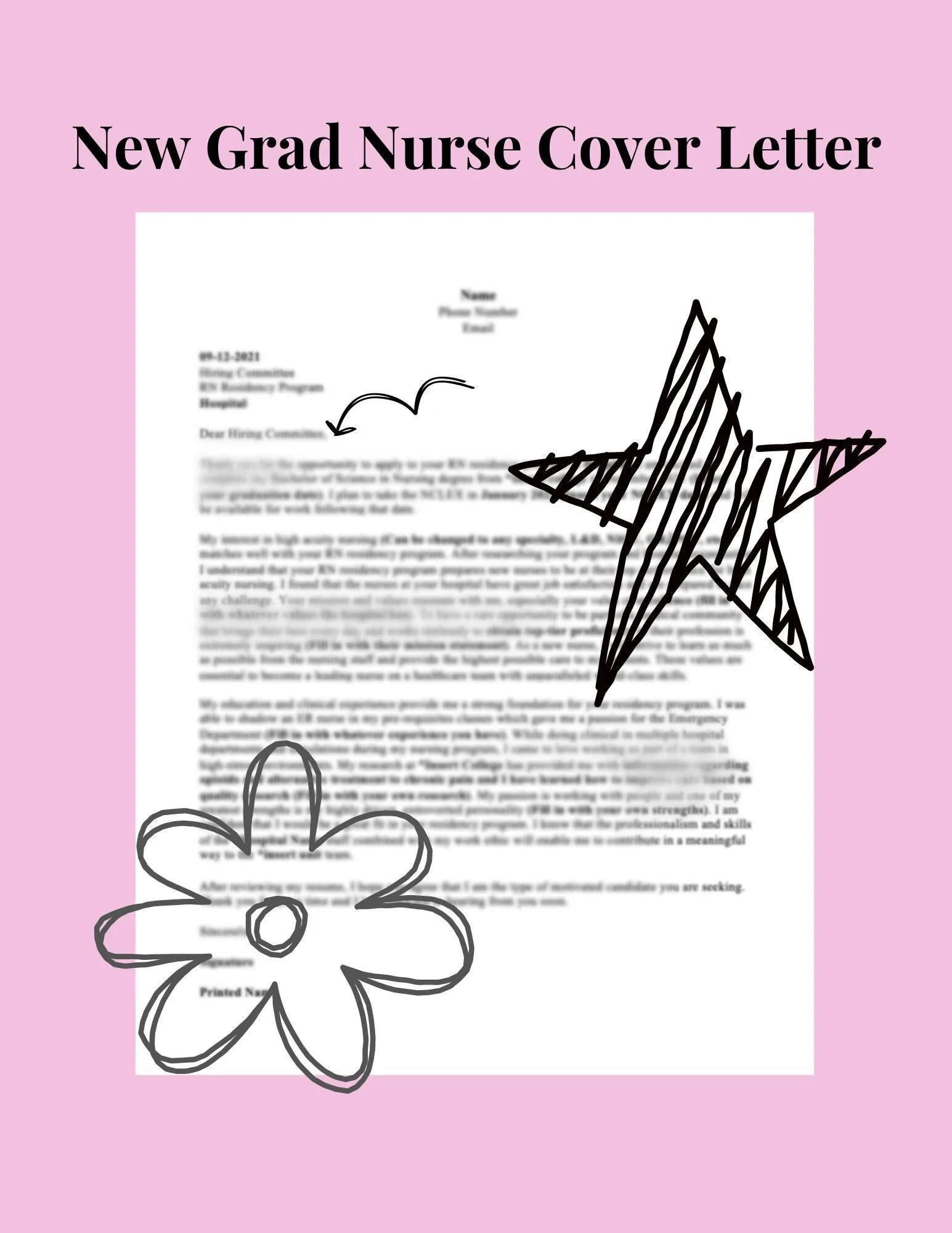
Understanding the Importance of a Graduate Nurse Cover Letter
A well-crafted cover letter is a crucial component of your job application as a graduate nurse. It’s your first opportunity to make a positive impression on a potential employer and distinguish yourself from other candidates. Unlike a resume, which provides a factual summary of your skills and experience, a cover letter allows you to showcase your personality, explain your motivations, and demonstrate why you’re the ideal fit for the role and the healthcare organization. In the competitive field of nursing, a compelling cover letter can significantly increase your chances of securing an interview.
Key Components of a Graduate Nurse Cover Letter
A successful graduate nurse cover letter consists of several key components that work together to present a cohesive and compelling narrative. These components include the header information, salutation, opening paragraph, body paragraphs highlighting your qualifications and demonstrating your passion, a closing paragraph with a call to action, and a professional closing. Each element serves a specific purpose in conveying your suitability for the position and your enthusiasm for the opportunity. Neglecting any of these parts can weaken the overall impact of your letter, so ensure all components are included and thoughtfully crafted.
Header Information

The header of your cover letter sets the stage for a professional presentation. It includes your contact information, the date, and the hiring manager’s contact information. Accuracy and neatness are essential in this section, ensuring that the employer can easily reach you. It immediately conveys professionalism and attention to detail, which are critical in nursing.
Your Contact Information
Start with your full name, address, phone number, and professional email address. Ensure your email address is professional and appropriate. This information allows the recruiter to reach you quickly. Double-check all details for accuracy; a small error here can lead to missed opportunities.
Date
Include the date you are sending the cover letter. The date is crucial for keeping track of the application process and ensuring the letter’s relevance. Ensure the date is in the correct format for the recipient’s region.
Hiring Manager Contact Information

If possible, address your letter to a specific hiring manager or recruiter. Research the name and title of the person responsible for hiring nurses at the healthcare facility. Addressing the letter to a specific individual shows that you have taken the initiative to learn about the organization and personalize your application. If the name is unavailable, you can use a general title like ‘Hiring Manager’.
Salutation
Use a professional salutation, such as “Dear Mr./Ms./Mx. [Last Name],” if you know the hiring manager’s name. If the name is unavailable, use “Dear Hiring Manager.” Avoid generic salutations like “To Whom It May Concern,” as they lack personalization. The salutation sets the tone for the rest of the letter, so ensure it is respectful and professional.
The Body of Your Cover Letter
The body of your cover letter is where you make your case for why you should be hired. It should be structured logically, with each paragraph focusing on a particular aspect of your qualifications and motivations. The body demonstrates how your skills, experience, and passion align with the job requirements and the organization’s values. Crafting these paragraphs effectively can significantly influence the hiring manager’s decision.
Opening Paragraph

Start with a strong opening that immediately captures the reader’s attention. State the position you are applying for and briefly explain where you saw the job posting. Express your enthusiasm for the opportunity and mention something specific that interests you about the organization or the role. The opening paragraph sets the tone and indicates your interest, encouraging the reader to continue.
Highlighting Your Qualifications and Skills
The core of your cover letter should highlight your relevant qualifications and skills. Choose specific examples from your education, clinical experience, certifications, and abilities. Quantify your achievements whenever possible, using numbers and data to demonstrate your impact. Tailor your descriptions to match the job requirements and keywords mentioned in the job description. Make sure to maintain a balance between showcasing your knowledge and demonstrating your ability to apply it.
Education
Mention your nursing degree, the name of your institution, and your graduation date or expected graduation date. Highlight any relevant coursework, honors, or academic achievements. Focus on what you have learned and any specializations you have achieved during your education. This information provides the baseline knowledge for the role.
Clinical Experience

Describe your clinical rotations and any hands-on experience you have gained. Specify the types of patients you have worked with and the specific skills you have utilized. Use action verbs to describe your responsibilities and accomplishments. Quantify your results whenever possible, using metrics to show your impact. Emphasize the unique aspects of your experience that make you stand out.
Certifications and Licenses
List any relevant certifications and licenses you have obtained. Be sure to mention your nursing license and its status. Include any specialized certifications that relate to the job description, such as advanced cardiac life support (ACLS) or pediatric advanced life support (PALS). This demonstrates that you meet the minimum professional standards.
Skills and Abilities
Highlight the skills and abilities that are relevant to the job requirements. This includes both hard skills (e.g., patient assessment, medication administration) and soft skills (e.g., communication, teamwork). Provide specific examples of how you have used these skills in the past. Use keywords from the job description to ensure your application is tailored to the position. Show a balance of technical proficiency and interpersonal capabilities.
Demonstrating Your Passion for Nursing

Demonstrate your genuine passion for nursing. Discuss why you chose nursing as a career and what motivates you to provide care. Share any relevant experiences or personal stories that highlight your commitment to patient care. Connect your passion with the organization’s mission or values. Show the hiring manager that you see nursing as more than a job, but as a calling.
Closing Paragraph
Summarize your qualifications and reiterate your interest in the position. Thank the hiring manager for their time and consideration. Express your eagerness to discuss your application further and provide your contact information. This paragraph leaves a lasting positive impression.
Call to Action
Include a clear call to action, such as “I welcome the opportunity to discuss my qualifications in an interview.” or “I am eager to learn more about this position and how I can contribute to your team.” This encourages the hiring manager to take the next step and contact you. Making it explicit can increase your chances of getting a response.
Closing

Use a professional closing, such as “Sincerely,” or “Best regards,” followed by your typed name. Ensure your signature is included if you are submitting a hard copy. The closing completes the letter and leaves a professional impression.
Proofreading and Formatting
Before submitting your cover letter, carefully proofread it for any errors in grammar, spelling, and punctuation. Ensure the formatting is consistent and professional. Use a clean, easy-to-read font, such as Times New Roman or Arial, and maintain consistent margins and spacing. Ask a friend or mentor to review your letter for feedback. A well-formatted and error-free cover letter demonstrates professionalism and attention to detail. Poor formatting or errors can undermine your credibility.
By following these guidelines, you can create a compelling cover letter that highlights your qualifications, demonstrates your passion, and increases your chances of landing your dream job as a graduate nurse. Remember to customize each cover letter for the specific position and organization you are applying to. Good luck!