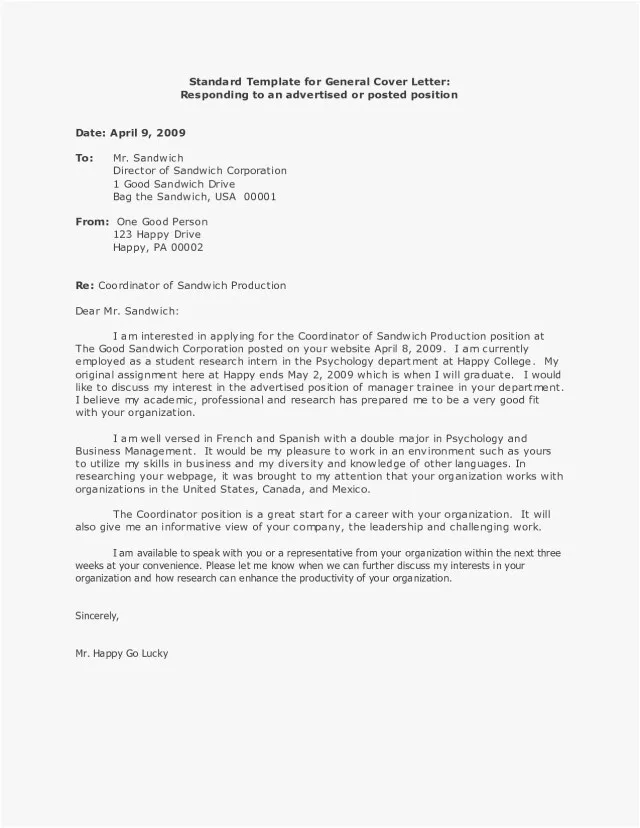
What is a Good Cover Letter?
A good cover letter is a powerful tool in your job search arsenal. It’s your first introduction to a potential employer, offering a glimpse beyond the information presented in your resume. It’s a chance to showcase your personality, express your enthusiasm for the position, and explain why you are the ideal candidate. Think of it as a personalized sales pitch that sells you. It should be concise, compelling, and tailored to each specific job application. A well-crafted cover letter complements your resume, providing context and demonstrating your communication skills and genuine interest in the opportunity. A poor cover letter can lead to your resume being overlooked, so taking the time to craft a good one is essential.
The Purpose of a Cover Letter
The primary purpose of a cover letter is to secure an interview. It achieves this by highlighting your relevant skills, experiences, and achievements, while also expressing your genuine interest in the company and the specific role. It provides a platform to elaborate on certain aspects of your resume, offering more context and depth. A good cover letter serves as a communication tool, demonstrating your writing skills, attention to detail, and ability to articulate your value proposition. It also allows you to address any potential concerns or gaps in your resume proactively. By crafting a targeted and well-written cover letter, you significantly increase your chances of getting noticed and moving forward in the hiring process. Consider this image (cover-letter-purpose.webp) to give you a visual representation.
Essential Elements of a Cover Letter

A good cover letter includes several essential elements. These elements work together to create a cohesive and persuasive document. Firstly, start with your contact information, ensuring it is accurate and easy to find. Next, address the hiring manager appropriately using a professional greeting. Then, craft an opening paragraph that grabs the reader’s attention and states the position you’re applying for. Throughout the body, highlight your relevant skills and experiences, tailoring your letter to the job description and demonstrating your enthusiasm and fit for the role. Quantify your achievements whenever possible to showcase your value. Finally, end with a strong closing paragraph expressing gratitude and reiterating your interest and next steps. Remember to keep this image (cover-letter-elements.webp) in mind.
Contact Information
At the top of your cover letter, provide your contact information. This should include your full name, phone number, email address, and optionally, your LinkedIn profile URL or personal website. Ensure your contact information is accurate and up-to-date to allow the hiring manager to easily reach you. The presentation should be clean and professional. Make sure your email address is professional; avoid using nicknames or unprofessional language. Consider using a simple font for this section, such as Arial or Times New Roman, to enhance readability. This step is crucial as it allows the recruiter to contact you. Refer to contact-information-cover-letter.webp to get a good visual on this.
Professional Greeting
Always start your cover letter with a professional greeting. Ideally, address the hiring manager by name. Research the company to find out who the hiring manager is or the recruiter responsible for the role. If you can’t find a specific name, use a general greeting such as “Dear Hiring Manager.” Avoid generic greetings such as “To Whom It May Concern.” The greeting sets the tone of your letter and shows that you’ve taken the time to personalize your application. Correct spelling and capitalization are crucial in your greeting. This attention to detail demonstrates your professionalism and shows that you have taken the time to make a good first impression. A friendly and professional tone sets the stage for the rest of your cover letter.
Opening Paragraph Crafting

The opening paragraph should immediately grab the reader’s attention. Start by stating the position you’re applying for and where you saw the job posting. Briefly mention why you’re excited about the opportunity and the company. Clearly state your intent and set the stage for the rest of the letter. Demonstrate your enthusiasm and align your skills to the company’s mission. This first paragraph should be concise and focused, ideally keeping it to just a few sentences. It is your first opportunity to make a positive impact. The opening paragraph should be engaging, making the reader want to learn more about you and why you’re the best fit for the role.
Highlighting Relevant Skills and Experience
The body of your cover letter should highlight your relevant skills and experience. Carefully review the job description and identify the key requirements. Then, provide specific examples from your experience that demonstrate how you meet those requirements. Use action verbs to describe your accomplishments. Quantify your achievements whenever possible to show the impact you’ve made in previous roles. Tailor your letter to the specific job, ensuring that the skills you emphasize align with what the employer is looking for. This section provides supporting evidence for your skills and accomplishments. Show how your experience aligns with the needs of the company. Remember to consider this image (highlighting-skills-experience.webp) to help you with this section.
Tailoring Your Letter to the Job Description
Customizing your cover letter to each job application is essential. Read the job description carefully, paying close attention to the required skills, experience, and qualifications. Then, tailor your letter to reflect these specific requirements. Use keywords from the job description in your letter to help demonstrate your knowledge and alignment. Provide examples of how you’ve used these skills in the past, highlighting your achievements and the results you’ve achieved. Avoid using a generic cover letter; instead, customize it for each application. This personalized approach shows the employer that you’ve invested time and effort into the application, which significantly increases your chances of being considered. Tailoring demonstrates your strong interest and attention to detail.
Demonstrating Enthusiasm and Fit

Expressing enthusiasm for the position and the company is crucial. Show that you have researched the company and understand its mission, values, and goals. Explain why you’re excited about the opportunity and what you hope to contribute. Convey your genuine interest in the role and why you believe you are a good fit for the company culture. Use positive language and avoid sounding overly formal or generic. Demonstrating enthusiasm makes a strong positive impression on the hiring manager. Be genuine and specific about your interest, showing you are truly excited about the opportunity. Show your understanding of the company’s culture and values.
Showcasing Achievements and Quantifiable Results
When describing your achievements, use quantifiable results to demonstrate your impact. Provide specific examples of how you’ve exceeded expectations in previous roles. Use numbers, percentages, and data to show the outcomes of your actions. For instance, instead of saying “Improved sales,” say “Increased sales by 20% within six months.” Highlight your accomplishments and the value you’ve brought to previous employers. This approach provides tangible proof of your abilities and makes your cover letter more compelling. Quantifiable results provide evidence of your contributions, setting you apart from other candidates. Make sure you are as specific as possible, which will give you a strong advantage in the hiring process.
Formatting and Design for Impact
The formatting and design of your cover letter can greatly impact its effectiveness. Keep the layout clean and easy to read. Use clear headings and subheadings to organize the information. Maintain consistent margins and spacing throughout the document. Ensure that the text is well-aligned and visually appealing. A well-formatted cover letter shows attention to detail and professionalism. Using bullet points to highlight your skills and achievements can make your letter more scannable. Remember, the goal is to create a cover letter that is easy for the hiring manager to read and understand. Check out formatting-cover-letter.webp for more details.
Choosing the Right Font and Style

Select a professional and easy-to-read font for your cover letter. Common and suitable choices include Arial, Calibri, Times New Roman, and Helvetica. Avoid using overly ornate or unusual fonts, as they can be distracting. The font size should be between 10 and 12 points for optimal readability. Use a consistent font throughout the entire document. Maintain a professional tone by avoiding informal styles, bolding only necessary text, and using italics sparingly. Ensure that the font and style reflect your professionalism and attention to detail. A well-chosen font contributes to the overall readability and visual appeal of your cover letter.
Proofreading and Editing for Perfection
Proofreading and editing are crucial steps to ensure your cover letter is free of errors. Carefully review your letter for typos, grammatical errors, and inconsistencies. Use spell-check and grammar-check tools, but don’t rely on them entirely. Read your cover letter aloud to catch any awkward phrasing or unclear sentences. Have a trusted friend or colleague review your letter as well. A second pair of eyes can often catch mistakes that you might have missed. A polished cover letter free of errors demonstrates your attention to detail and professionalism. Always remember the proofreading-editing.webp image.
Closing the Cover Letter Effectively
End your cover letter with a strong closing paragraph. Express your gratitude for the hiring manager’s time and consideration. Reiterate your interest in the position and the company. State your availability for an interview and how you can be reached. Consider including a call to action, such as encouraging the hiring manager to contact you or inviting them to review your resume. A well-crafted closing paragraph leaves a lasting positive impression. It should reiterate your enthusiasm and show you are eager to move forward in the hiring process. Your closing paragraph should be concise, professional, and memorable, leaving the hiring manager with a clear understanding of your interest and next steps.
Expressing Gratitude and Next Steps

Always express gratitude for the hiring manager’s time and consideration. Thank them for reviewing your application and for the opportunity. Clearly state your availability for an interview and provide your contact information again. Mention that you look forward to hearing from them soon. If there is a specific timeframe for making a decision, you can mention that, but do so politely. By including a call to action, you encourage the hiring manager to take the next step. This ensures a positive and proactive close. Expressing gratitude leaves a lasting positive impression and shows your professionalism. This is your final chance to express your genuine interest.
Cover Letter Mistakes To Avoid
Be aware of common cover letter mistakes. Avoiding these errors will significantly improve your chances of success. Using a generic cover letter, which is not tailored to the specific job, is a major mistake. Typos and grammatical errors can damage your credibility. A lack of personalization shows you haven’t invested time in the application. Using an unprofessional tone or language can also be detrimental. Failing to proofread your cover letter is another mistake. Remember to tailor your letter to the specific job, and pay attention to detail. Reference the cover-letter-mistakes.webp image for more information on common mistakes.
Generic Cover Letters
Avoid using a generic cover letter that is not tailored to the specific job. Generic letters show a lack of effort and a lack of genuine interest in the position and the company. Tailor your letter to the job description, highlighting the relevant skills and experience that align with the role’s requirements. Make it clear that you have researched the company and understand its mission and values. Personalize your letter by referencing specific aspects of the job or the company that excite you. Generic cover letters are easily recognized and can lead to your application being overlooked. A personalized approach makes a strong positive impression.
Typos and Grammatical Errors

Typos and grammatical errors can damage your credibility. These errors indicate a lack of attention to detail and professionalism. Always proofread your cover letter carefully, using spell-check and grammar-check tools. Read your letter aloud to catch any awkward phrasing or unclear sentences. Have a trusted friend or colleague review your letter as well. A perfect cover letter is a direct reflection of your attention to detail. These errors can be easily avoided by taking the time to proofread and edit your work. Ensure that your writing is clear, concise, and error-free to make a strong positive impression on the hiring manager.
Lack of Personalization
Avoid a lack of personalization in your cover letter. Generic letters without any personalization may suggest a lack of interest in the specific opportunity. Personalization shows the hiring manager that you’ve invested time and effort. Tailor your letter to the job description and demonstrate your understanding of the company. Mentioning the company’s values or specific projects can make your letter more engaging. The hiring manager wants to know why you’re interested in their company and the specific role. By personalizing your cover letter, you show that you have taken the time to understand the needs of the company and the requirements of the role.
Unprofessional Tone and Language
Maintain a professional tone and language throughout your cover letter. Avoid using slang, informal language, or overly casual expressions. Use a professional greeting and closing. Your cover letter should be a formal business document. The tone should be respectful and enthusiastic. The language should be clear, concise, and free of errors. The way you present yourself in your cover letter reflects your professionalism and your ability to communicate effectively. Keep your writing clear, direct, and appropriate for a professional environment, which conveys respect for the company and the role.
Submitting a Cover Letter

When submitting your cover letter, follow the instructions provided by the employer. If the job posting specifies how to submit your cover letter, adhere to those instructions precisely. Always attach your cover letter and resume as separate documents unless otherwise specified. Use a professional file name for your documents. If submitting your cover letter via email, include a brief and professional message in the body of the email. Proofread the entire email before sending it. This will show your attention to detail. By following the employer’s instructions, you show respect and are demonstrating your ability to follow instructions.
Cover Letter Delivery Methods
Cover letters can be submitted through various methods. The most common method is online submission via an application portal. Many companies use applicant tracking systems. Another method is email, often with the cover letter and resume attached as separate files. Be sure to follow the instructions provided in the job posting. Some companies may still accept mailed applications, especially for certain industries. Ensure that you follow all instructions to ensure your application is properly received. Following these guidelines will ensure your cover letter is presented correctly.
Adapting Cover Letters to Specific Industries
Adapt your cover letter to the specific industry and job you are applying for. Research the industry and the company. Use industry-specific terminology. Tailor your language and tone to match industry standards. For creative roles, your letter may be more creative. For more formal roles, your letter should be more structured. The more you can align your cover letter with the industry’s expectations, the more likely your letter will resonate with the hiring manager. Each industry has its unique nuances and expectations. Tailoring your cover letter shows that you understand the industry and are serious about the opportunity.