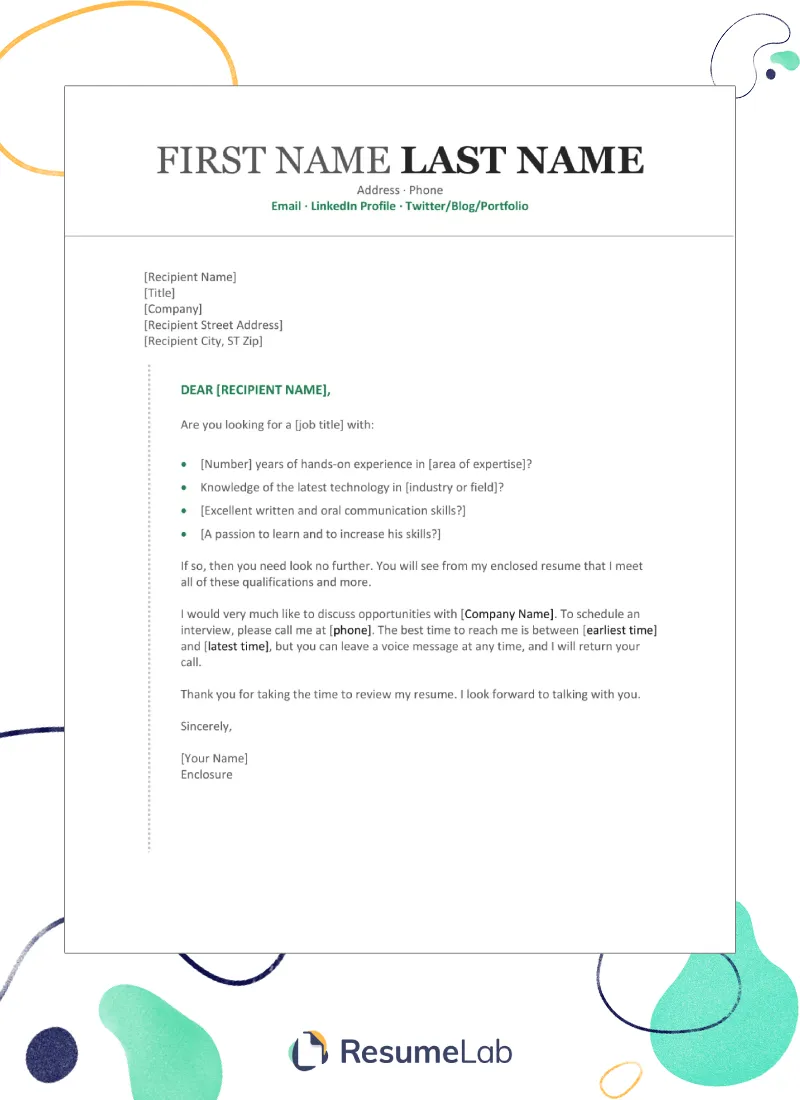
What is a Cover Letter
A cover letter is a crucial document that accompanies your resume when applying for a job. It serves as your introduction to the hiring manager, providing an opportunity to highlight your skills, experience, and personality. Unlike a resume, which is a concise summary of your qualifications, a cover letter allows you to elaborate on why you are a good fit for the specific role and company. It’s your chance to make a compelling case for why you should be considered for an interview. A well-crafted cover letter can significantly increase your chances of getting noticed and landing an interview. Utilizing free sample cover letter templates can provide a solid starting point, but remember to customize it to reflect your unique qualifications and the specific job requirements. This will ensure that your application stands out from the competition and showcases your enthusiasm for the opportunity.
The Purpose of a Cover Letter
The primary purpose of a cover letter is to persuade the hiring manager to read your resume and consider you for the position. It’s your opportunity to make a strong first impression and demonstrate your interest in the company and the role. A cover letter allows you to explain your career goals, showcase your relevant skills, and highlight your accomplishments in a narrative format. It should connect your qualifications to the specific requirements of the job and explain why you are the ideal candidate. Cover letters also provide a space to address any potential gaps in your resume, such as career changes or employment gaps. A well-written cover letter not only introduces you but also sets the stage for a successful interview and ultimately, landing your dream job. Using free sample cover letter templates assists in structuring the content effectively.
Key Components of a Cover Letter

A standard cover letter typically includes several key components designed to capture the reader’s attention and effectively communicate your qualifications. The first is a professional heading, including your contact information and the date, followed by the hiring manager’s name and address. Next, a compelling opening paragraph that immediately grabs the reader’s attention by stating the position you are applying for and expressing your enthusiasm. The body paragraphs should then highlight your relevant skills and experiences, providing specific examples and quantifying your achievements whenever possible. Lastly, a strong closing paragraph should reiterate your interest, express gratitude, and include a call to action, such as requesting an interview. These key components, when combined effectively, create a persuasive document that enhances your chances of securing an interview. Free sample cover letter templates often exemplify these elements, offering a structured approach to help job seekers create successful applications.
Choosing the Right Free Sample Cover Letter Template
Selecting the right free sample cover letter template is critical for making a positive impression. The template you choose should align with the type of job you’re applying for and reflect your personal brand. There are various templates available, ranging from basic and functional to more creative and visually appealing designs. When selecting a template, consider the industry standards and the company culture. For example, a template for a tech company might be more modern and concise, while a template for a traditional industry might be more formal and professional. Choose a template that is easy to read and well-organized, allowing the hiring manager to quickly grasp your qualifications. The best template is one that showcases your skills effectively without overshadowing your content. Always ensure that the template is compatible with your word processing software for ease of customization.
Template Options
There is a wide array of free sample cover letter template options to suit different job applications and career levels. The most common types include the traditional format, which is suitable for most industries and emphasizes professionalism. Another option is the modern template, which often incorporates contemporary design elements and is ideal for creative roles. Functional templates focus on skills and qualifications, making them suitable for individuals with diverse experience or those changing careers. There are also targeted cover letter templates designed for specific industries, such as marketing, finance, or healthcare, helping you tailor your application to the industry standards. When choosing a template, it is helpful to consider the layout, the fonts used, and the overall design. Select a template that complements your resume and reflects your personal brand, ensuring a cohesive and professional application. This will significantly increase your chances of getting noticed.
Template Customization

Customization is the key to making a free sample cover letter template your own and ensuring it reflects your unique qualifications and the specific job requirements. Start by replacing the placeholder text with your personal information, contact details, and the date. Next, tailor the content to the specific job, highlighting the skills and experiences that align with the job description. Don’t just copy and paste; instead, use the template as a framework for writing a personalized narrative. Review the template’s format and structure to ensure it suits your content and presentation style. Adjust the font, spacing, and margins as needed to enhance readability and visual appeal. It is very important to proofread your cover letter thoroughly for any grammatical errors or typos before submitting your application. This customization is crucial for creating an impactful application and demonstrating your attention to detail. Using free sample cover letter templates is a starting point; personalizing the templates is vital for success.
Writing the Perfect Cover Letter
Writing the perfect cover letter requires a strategic approach that combines strong writing skills with a clear understanding of the job requirements. Begin by researching the company and the role to understand their values and needs. In the opening paragraph, clearly state the position you’re applying for and express your enthusiasm for the opportunity. In the body paragraphs, highlight your relevant skills and experiences, providing specific examples and quantifying your achievements whenever possible. Tailor your content to match the job description, emphasizing the keywords and skills that the employer is looking for. Use a professional tone and avoid jargon or overly casual language. Keep your cover letter concise and focused, aiming for no more than one page. This careful approach ensures that your application stands out and effectively communicates your qualifications.
Formatting and Structure
Proper formatting and structure are essential for creating a professional and readable cover letter. Start with a clear heading that includes your contact information, the date, and the recipient’s details. Use a professional font like Times New Roman or Arial, and ensure the font size is between 10 and 12 points for readability. Maintain consistent spacing throughout the document and use paragraphs to break up large blocks of text. Structure your cover letter with an opening paragraph, a body that highlights your skills and experiences, and a closing paragraph that expresses your interest and includes a call to action. Proofread your cover letter carefully for any formatting inconsistencies or errors. A well-formatted cover letter demonstrates your attention to detail and professionalism, making a positive impression on the hiring manager. Utilizing free sample cover letter templates can guide you in the formatting process.
Personalizing Your Cover Letter

Personalizing your cover letter is a critical step in setting yourself apart from other applicants. Research the company and the role to demonstrate your understanding of their needs and values. Address the hiring manager by name whenever possible, showing that you’ve taken the time to personalize your application. Tailor your content to match the job description by highlighting the skills and experiences that are most relevant to the specific role. Use examples to illustrate your achievements and quantify your results whenever possible. Express your enthusiasm for the company and the role, showing that you are genuinely interested in the opportunity. When personalizing, avoid generic phrases and cliches. Instead, demonstrate how your unique skills and experiences align with the company’s needs. A personalized cover letter makes a strong impression and increases the likelihood of securing an interview.
Content Writing
Effective content writing is at the heart of a compelling cover letter. Start with a strong opening that grabs the reader’s attention and immediately states your interest in the role. Use the body paragraphs to highlight your relevant skills and experiences, providing specific examples to support your claims. Quantify your achievements whenever possible, using numbers and data to showcase your impact. Tailor your content to match the job description, using keywords and phrases that the employer uses. Demonstrate how your skills and experiences align with the company’s needs and culture. Maintain a professional tone and avoid jargon or overly casual language. Write in a clear, concise, and engaging style, keeping the reader’s attention throughout the document. A well-written cover letter can highlight the qualifications that will make you stand out from the competition.
Reviewing and Editing
Thorough review and editing are crucial steps in ensuring your cover letter is polished and professional. After you’ve written your cover letter, take a break and come back to it with fresh eyes. Proofread your cover letter carefully for any grammatical errors, typos, or formatting inconsistencies. Check for clarity and flow, ensuring that your ideas are presented in a logical and easy-to-follow manner. Ensure that your content is concise and focused, avoiding any unnecessary information. Consider having someone else review your cover letter for feedback and suggestions. A second pair of eyes can often catch mistakes that you might have missed. Always remember, the perfect cover letter is the result of repeated revisions. By meticulously reviewing and editing your cover letter, you increase the likelihood of making a positive impression and increasing your chances of getting an interview.
Resources and Tools for Cover Letters

There are several resources and tools available to help you create effective cover letters. Online cover letter builders offer customizable templates and guided instructions, helping you create a professional cover letter quickly and easily. Resume and cover letter writing services provide expert assistance with crafting and reviewing your application materials. Job search websites often offer cover letter examples and templates, providing inspiration and guidance. Grammar and spell-checking tools can help you identify and correct any errors in your writing. Career counselors can provide personalized advice and feedback on your cover letter. Consider using these resources to improve your writing and ensure that your application effectively communicates your qualifications. They can help you craft the perfect cover letter.
Free Online Cover Letter Builders
Free online cover letter builders provide a convenient and accessible way to create a professional cover letter. These tools offer a variety of templates, customization options, and writing guidance. They typically guide you through the process, asking questions about your skills, experience, and the specific job you are applying for. Many builders include suggestions for content, helping you to effectively communicate your qualifications. The tools also often offer the ability to download your cover letter in various formats, such as PDF or Word. Using free online cover letter builders can save you time and effort while ensuring that your application is well-formatted and professional. These tools are excellent resources for job seekers who may not have extensive experience writing cover letters or who are looking for a quick and easy way to get started. They are accessible to anyone with internet access.
Cover Letter Examples
Reviewing cover letter examples is an excellent way to gain inspiration and learn how to effectively structure and present your qualifications. Cover letter examples can be found on job search websites, career advice blogs, and in resume books. When reviewing examples, pay attention to the format, the tone, and the content. Notice how the writer highlights their skills and experiences, tailors their content to the job description, and expresses their enthusiasm for the opportunity. Analyze the different writing styles and strategies to determine what works best for your application. Remember to customize any examples you find to reflect your own unique qualifications and the specific requirements of the job. Use these examples as a guide for writing your cover letter, but make sure your cover letter is original.
Tips for Success

Here are some essential tips to help you succeed in writing a compelling cover letter. Tailor your cover letter to each job application, highlighting the skills and experiences that are most relevant. Research the company and the role to show your understanding of their needs. Proofread your cover letter carefully for any grammatical errors or typos. Keep your cover letter concise and focused, aiming for no more than one page. Use a professional tone and avoid jargon or overly casual language. Quantify your achievements whenever possible, using numbers and data to showcase your impact. Express your enthusiasm for the opportunity, showing that you are genuinely interested in the position. Follow up with the hiring manager after submitting your application to express your continued interest. By following these tips, you can increase the chances of landing an interview.